




Antique Bisque Figure
These pieces of antique bisque figure offer unglazed porcelain surfaces that capture the subtlety of human form and classical drapery.
Antique Bisque Figure
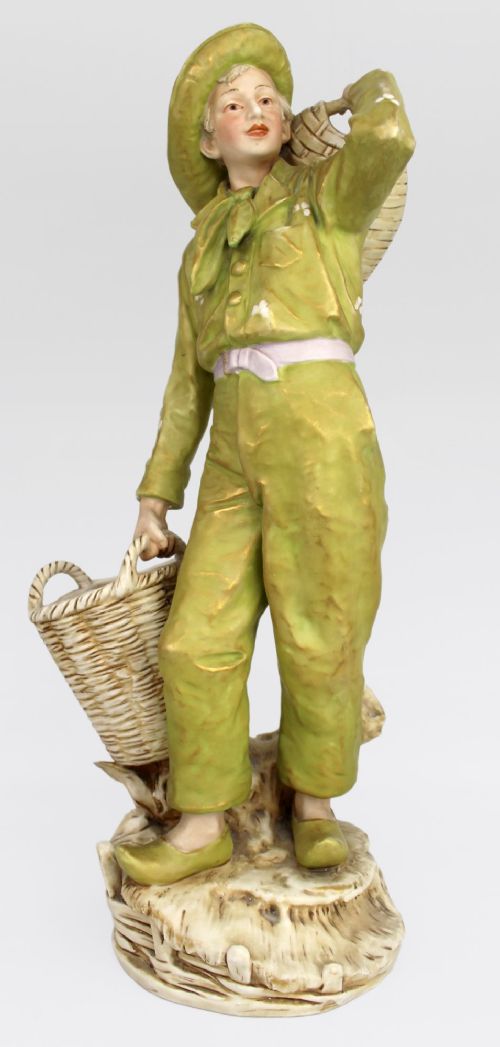
When you search for an antique bisque figure, you encounter unglazed ceramic sculptures, classical busts, and romantic groups modelled across the eighteenth, nineteenth, and early twentieth centuries. The listings here include representations of mythological subjects, literary characters, and everyday figures produced by English, French, Scandinavian, and Bohemian potteries.
You are most likely to meet Victorian parian ware and continental biscuit porcelain pieces on this page, ranging from cabinet-sized statuettes to large-scale sculptural groups. These works span the Georgian era through the late nineteenth century, reflecting the prevailing neoclassical, romantic, and revivalist tastes of their periods.
Materials and production
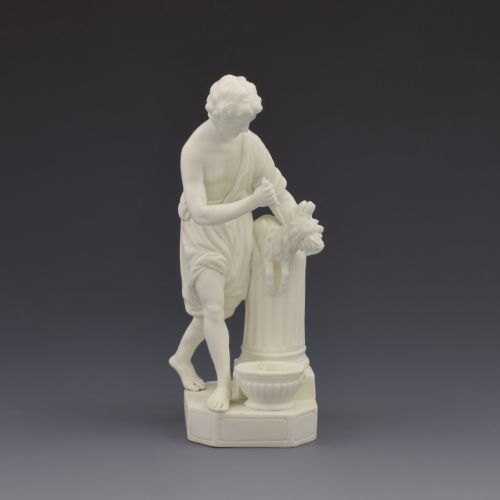
Makers produced bisque and parian porcelain by firing the ceramic body without a final glaze, leaving a matte, porous surface that resembles carved marble. Parian porcelain incorporated specific feldspathic constituents that matured at lower temperatures to yield a dense, marble-like texture favoured for nineteenth-century statuary.
Infant figures lounging on piano tops spent their days watching sheet music turn while keeping upright instruments company.
Judging quality and execution
Quality rests upon the crispness of the modelling and the depth of relief in intricate areas like hands, facial expressions, and folds of cloth. Pieces originating from prominent factories display superior precision in mould preparation and minimal distortion from the kiln firing process.
The sophistication of the subject matter and the reputation of the modeller or manufacturer elevate certain works above standard commercial output. Larger scale pieces and marked factory productions demonstrate greater technical ambition in the handling of unglazed clay.
Royal Dux Bohemia·Letu & Mauger Paris·Luca Madrassi·Minton·Vion et Baury·P Ipsens Enke·Copeland·Triebner Ens & Co
The Antique Bisque Figure Glossary
- Bisque
- Unglazed ceramic porcelain fired once to vitrify the body while retaining a matte, chalk-white finish. It is also known as biscuit porcelain.
- Parian ware
- A fine-grained variety of unglazed porcelain developed in the nineteenth century to imitate white marble. It derives its name from Parian marble found on the Greek island of Paros.
- Neoclassical
- A style spanning the eighteenth and nineteenth centuries that draws inspiration from the art and culture of classical antiquity. It prioritises symmetry, restraint, and mythological themes.
- Piano baby
- A decorative bisque or porcelain figurine produced around the turn of the twentieth century, typically depicting infants in reclining or crawling positions. These objects were originally placed on the decorative runners of upright pianos.
Antique Bisque Figure: Frequently Asked Questions
What is an antique bisque figure?
An antique bisque figure is an unglazed porcelain sculpture created from fired white clay without a glossy finish. These pieces replicate the matte texture of carved marble and encompass various forms including classical busts, romantic groups, and cabinet figures.
Peculiar to the eighteenth and nineteenth centuries, these sculptures were produced across Europe by factories such as Copeland, Royal Dux, and Minton. They served as decorative table ornaments and mantelpiece displays during the Victorian era.
How do you clean an antique bisque figure?
Cleaning requires dry methods due to the porous, unglazed nature of the ceramic body which absorbs moisture and dirt easily. Soft brushes help remove dust from crevices without abrading the delicate surface.
Water and liquid detergents must be avoided because they penetrate the unglazed clay and leave permanent stains. Gentle air blowing or a dry artist brush remains the safest approach for maintenance.
How do you distinguish parian from bisque?
Parian porcelain contains a higher proportion of feldspar which creates a heavier, more vitrified body with a subtle translucent sheen resembling marble. Standard bisque porcelain tends to be more chalky and opaque in appearance.
Nineteenth-century manufacturers developed parian specifically for sculptural editions that required a denser material to hold fine botanical and facial details. Many pieces carry factory stamps or registry marks identifying the specific porcelain recipe used.
Where were these figures displayed historically?
Victorian households placed these sculptures on mantelpieces, pedestals, and side tables within formal parlours and drawing rooms. Smaller pieces occupied display cabinets alongside other ceramics and decorative works of art.
Piano babies sat directly on the polished wooden casing of upright pianos upon protective embroidered mats. Their placement reflected the domestic taste for educating the eye through classical and literary motifs.