




Vintage Ceramic Boy
These vintage ceramic boy figures bring expressive character and traditional craftsmanship into a room.
Vintage Ceramic Boy
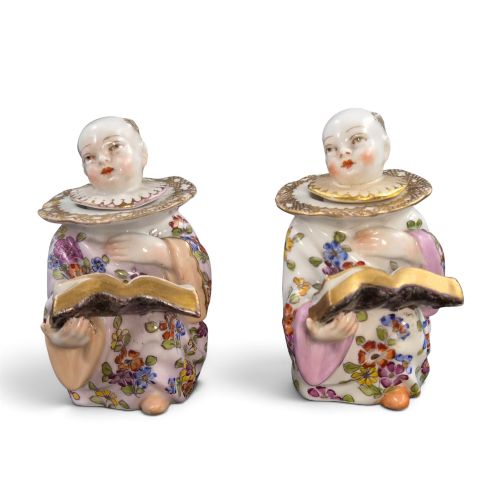
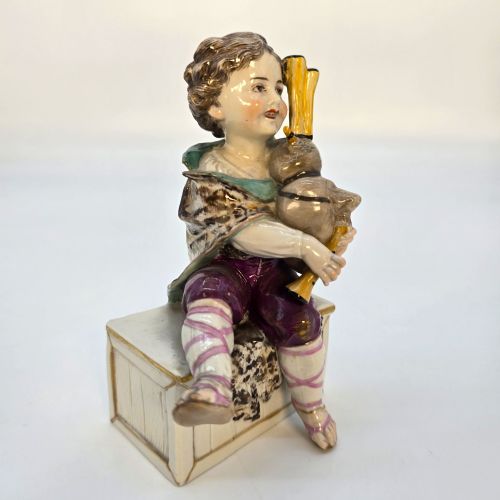
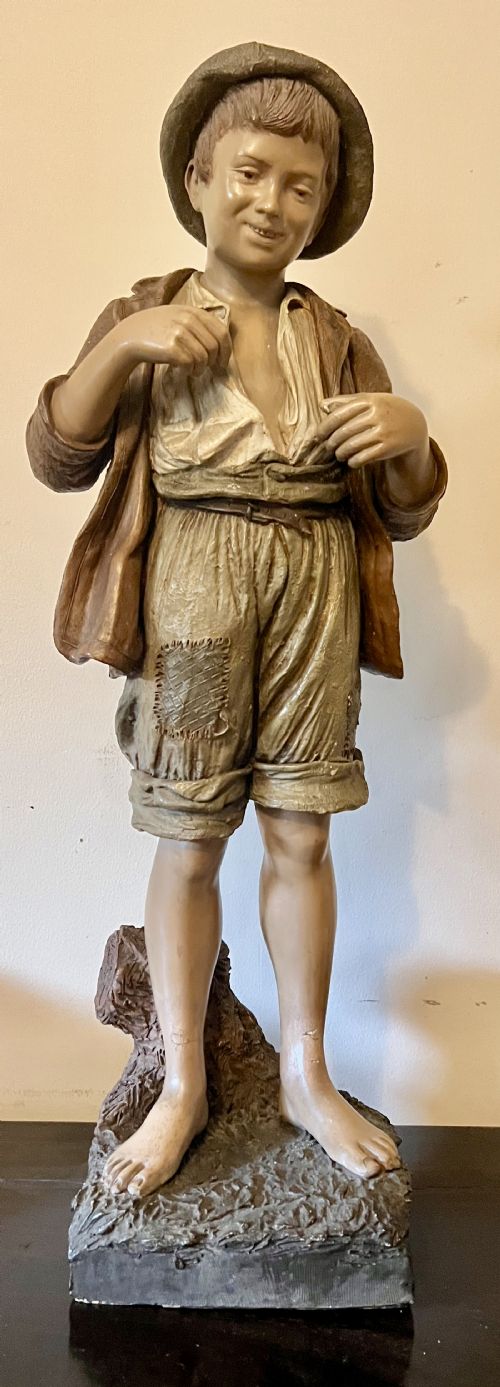
When you search for vintage ceramic boy, you find figural sculptures and functional items like inkwells dating from the nineteenth century into the twentieth century. These pieces depict young boys in various stylistic traditions, ranging from Victorian realism to Art Nouveau and Art Deco designs.
You are most likely to encounter European porcelain and terracotta figures on this page, often originating from German factories such as Royal Dux, Volkstedt, and Sitzendorf. The selection includes both single figurines and matched pairs that capture children in playful or everyday poses.
How they were made
Many of the German porcelain works utilised intricate firing processes in established factories, ensuring durable glazes and fine surface detail. Terracotta pieces received surface paint to highlight the sculptural contours of the young figures.
Several young boys share the spotlight with birds and ice skates, proving that nineteenth-century youth took their pastimes very seriously.
What varies in quality
The standard of modelling and hand-painting creates the primary distinction between simpler items and exceptional studio pieces. Finer examples display delicate facial expressions, precise brushwork on the garments, and crisp mould lines that retain their original definition.
Factory pedigree and scale also influence the character of the object, with larger figures and recognised manufacturing marks indicating more ambitious production. The application of gilt highlights and the preservation of the hand-painted surfaces further separate standard decorative items from superior works.
Edmé Samson·Royal Dux Bohemia·Volkstedt Rudolstadt Factory·C. G. Schierholz·Shelley·Sitzendorf
The Vintage Ceramic Boy Glossary
- Bisque porcelain
- Unglazed porcelain that has been fired once, offering a matte, marble-like texture ideal for detailed figurative sculpture. It captures subtle contours and soft skin tones effectively.
- Hard-paste porcelain
- A durable ceramic composition fired at very high temperatures, resulting in a dense, vitrified body. It provides a strong base for intricate porcelain figurines and detailed painting.
- Terracotta
- A porous, unglazed or glazed fired clay of a brownish-red colour. Sculptors frequently utilised this material for larger figures due to its versatility in modelling.
- Inkwell
- A small container for holding ink, often incorporated into figural desk accessories. These pieces combine practical utility with decorative sculptural design.
Vintage Ceramic Boy: Frequently Asked Questions
How do I display a ceramic boy figure?
Place these figures on a sturdy mantelpiece, bookshelf, or side table where their detailed painting can be appreciated at close range. Ensure they sit away from high-traffic edges to protect delicate porcelain extremities.
Pairing single figures with complementary decorative objects helps integrate them into a room's existing arrangement without cluttering the space.
What periods do these figures come from?
The pieces span from the mid-nineteenth century through the Victorian and Edwardian eras into the early twentieth century. Key periods represented include the 1850s, 1880s, and 1930s.
Stylistic shifts reflect changing tastes from Victorian realism towards Art Nouveau and Art Deco sensibilities.
How do I clean ceramic figurines safely?
Dust the surface gently using a soft, dry artist's brush to remove particles without disturbing delicate painted details. Avoid using water or chemical cleaners on bisque porcelain, as moisture can stain the unglazed material.
Keep the figures away from direct sunlight to preserve the original enamel colours and gold leaf over time.