
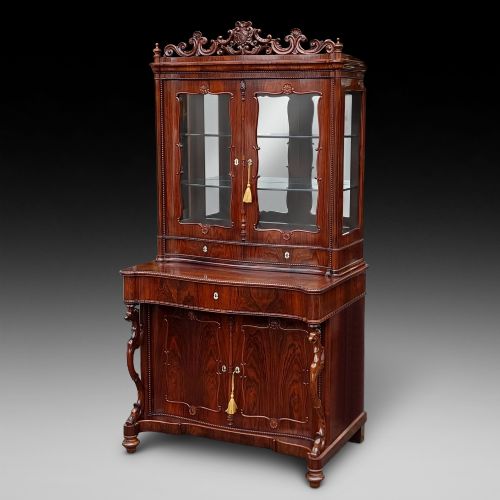
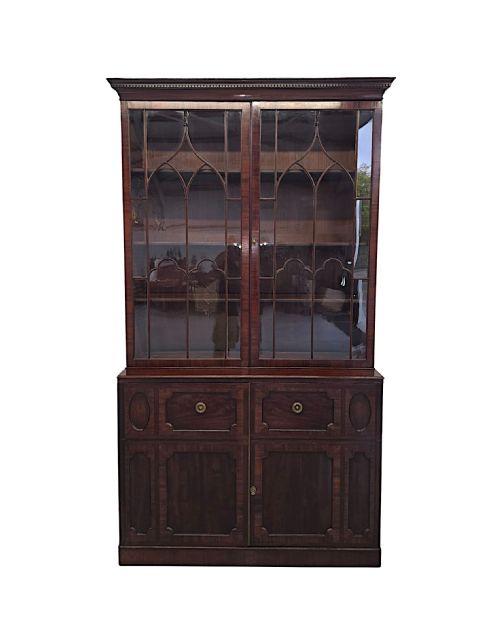
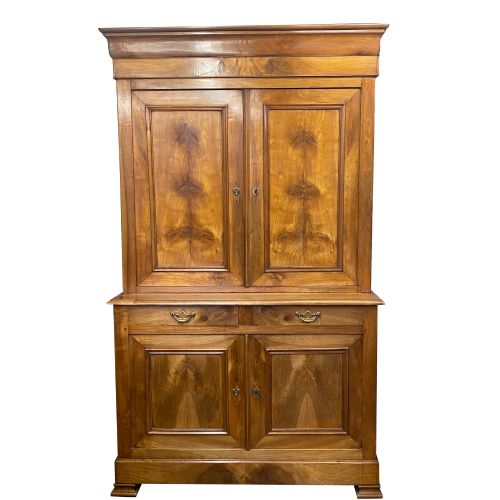
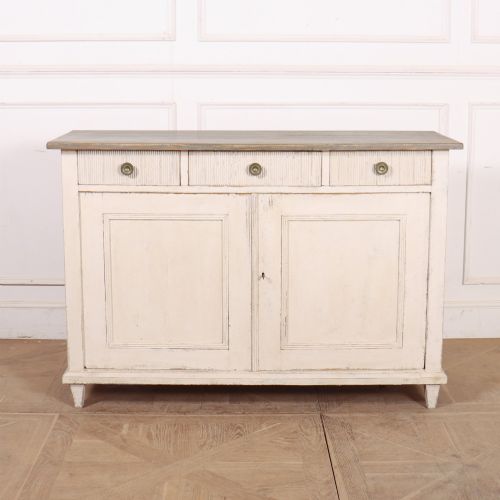
Nineteenth Century Cupboard
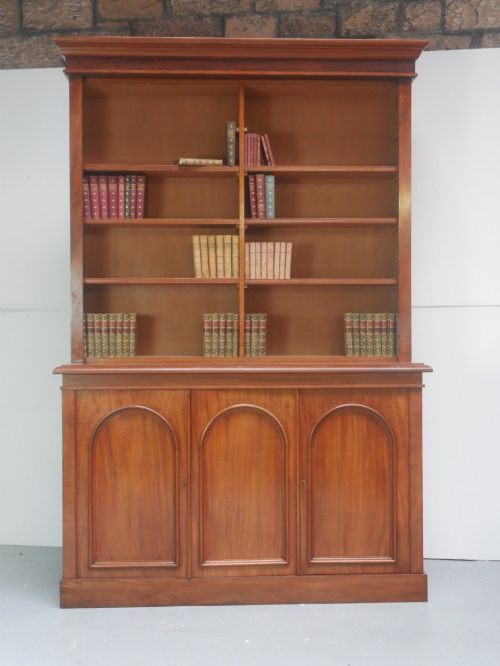
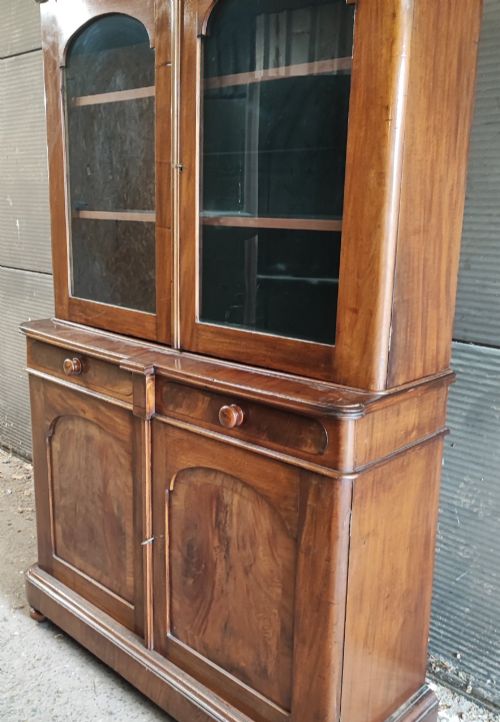
A nineteenth century cupboard is a robust storage piece offering substantial timber presence and period character, essential for grounding a traditional interior.
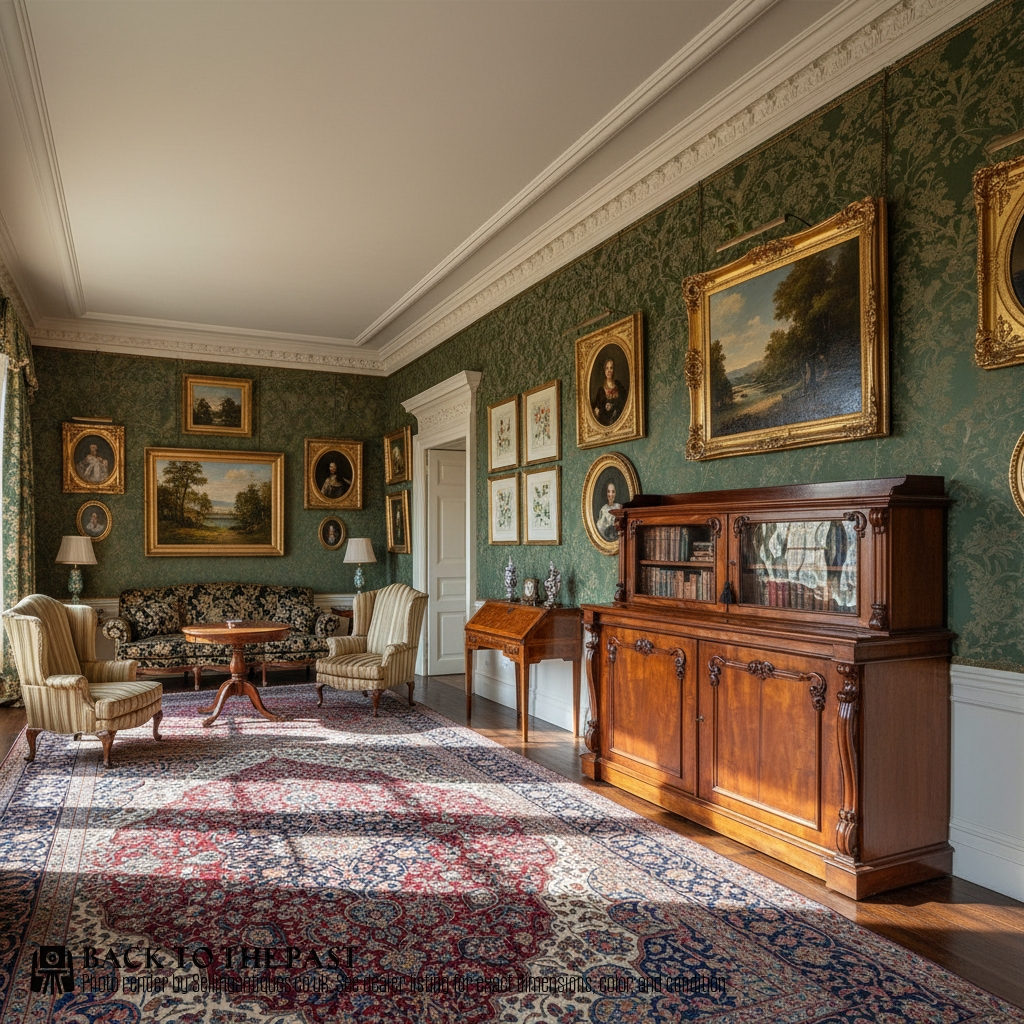
Nineteenth Century Cupboard
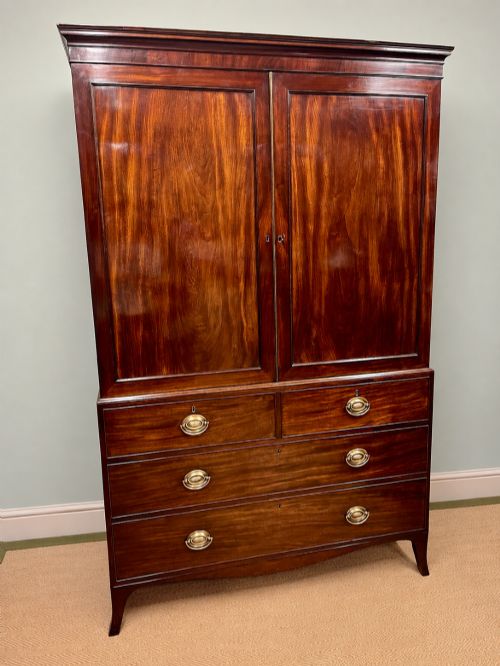
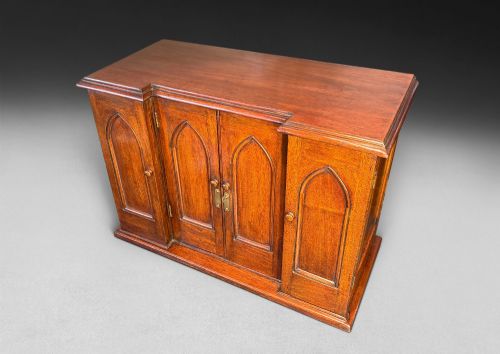
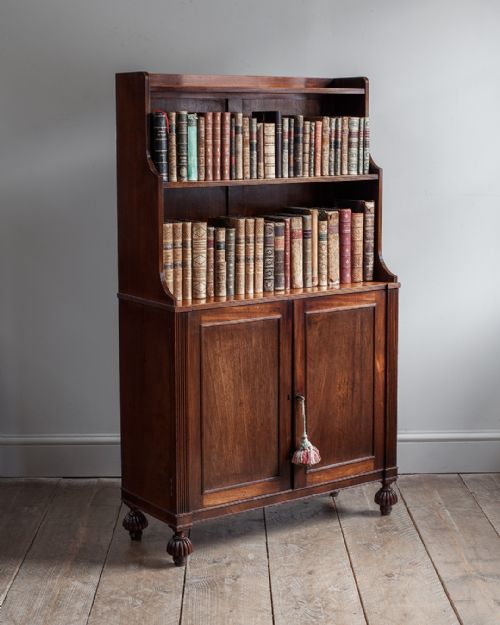
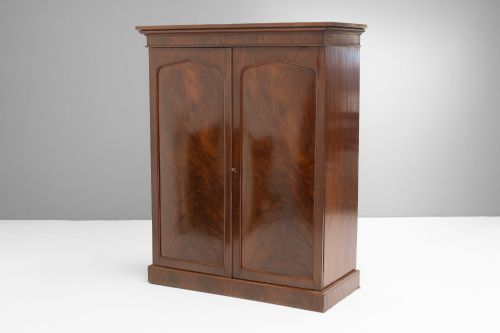
When you search for a nineteenth century cupboard, you encounter a vast array of utilitarian and formal storage forms spanning the Regency, Victorian, and later decades. These include compact bedside pot cupboards, corner units, housekeeper's presses, and large kitchen dresser bases.
Geographic origins vary widely across the inventory, encompassing English country workshops, Welsh vernacular pieces, French provincial formats, and continental European examples. Each region utilises native timbers such as oak, cherry, and fruit wood to address domestic storage needs.
Materials and Construction Methods
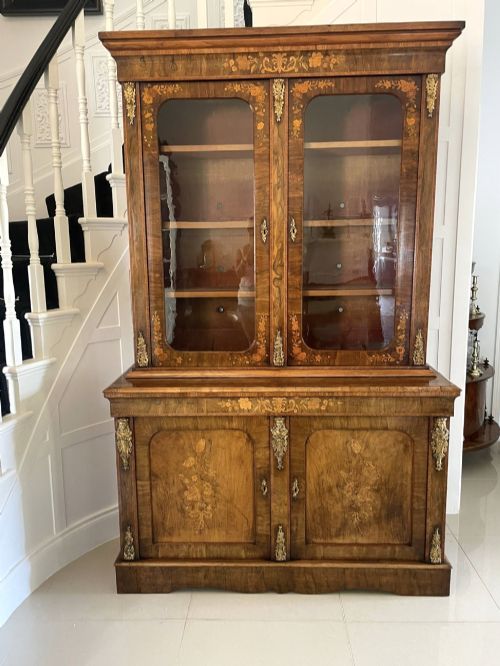
Makers relied on dense hardwoods like mahogany, rosewood, and pollard oak for formal reception rooms, often enhancing surfaces with burr veneer, marquetry inlay, and ormolu mounts. Secondary timbers such as pine and deal provided sturdy internal framing and drawer linings.
Carpentry techniques combined traditional mortise and tenon joinery with hand-cut dovetails for drawers, ensuring structural resilience over generations of daily use. Many larger examples, particularly wardrobes and housekeeper's presses, were constructed in two parts to facilitate transport and placement.
Nineteenth Century Cupboard Retail Price Guide 2026
Typical asking prices for nineteenth century cupboard among the pieces listed under this phrase on Sellingantiques today, from the lower quarter to the upper quarter. They describe what is for sale here now, not the wider market.
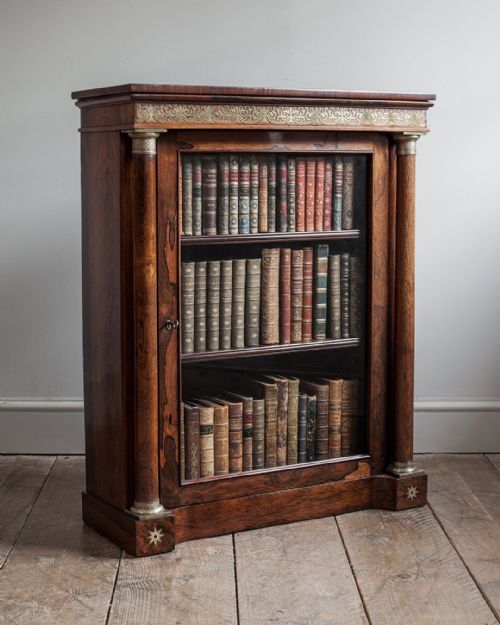
Salesmen once carried miniature rosewood glazed cupboards to display their wares to country house clients.
Judging Quality and Execution
Quality rests primarily in the selection of timber figures, such as flame mahogany or burr walnut, and the precision of the cabinet maker's joinery. Superior pieces display seamless veneer matching, finely cut dovetails, and original brass or bronze hardware.
Proportion and decorative restraint often distinguish high-status workshop pieces from simpler provincial utility items. Subtle details like fielded panel doors, chamfered framing, and integrated cornice mouldings elevate the architectural presence of the furniture.
Jas Shoolbred·Holland and Sons·Edward Holmes Baldock·Gabriel-Frederic Viardot
The Nineteenth Century Cupboard Glossary
- Linen Press
- A tall storage piece featuring upper sliding trays enclosed by doors, traditionally used for flat linens before the widespread adoption of hanging wardrobes.
- Pot Cupboard
- A small bedside cabinet designed originally to house a chamber pot, typically featuring a single door and sometimes a marble top.
- Chiffonier
- A low sideboard or cabinet developed during the Regency period, usually fitted with enclosed lower cupboards and a raised shelf or mirrored back.
- Marquetry
- The decorative art of applying thin pieces of wood veneer to form intricate pictorial designs or geometric patterns on a cabinet surface.
- Ormolu
- Gilded bronze mounts and decorative trimmings applied to the corners and panels of high-status nineteenth century furniture.
Nineteenth Century Cupboard: Frequently Asked Questions
How do I distinguish a Regency cupboard from a Victorian one?
Regency cupboards often display classical proportions, rosewood veneers, and brass inlay reflecting neoclassical tastes. Victorian pieces tend to be heavier, utilising mahogany, walnut, or pine with more ornate carved mouldings and larger dimensions.
Examining the internal construction, secondary timbers, and hardware style helps confirm the specific period of manufacture.
Where were corner cupboards placed in nineteenth century homes?
Corner cupboards were designed to utilise awkward or unused angles in dining rooms, parlours, and bedrooms. They provided secure storage for glassware, ceramics, or household provisions while keeping floor space open.
Both wall-mounted and floor-standing two-part versions appear frequently in the inventory.
Can I use a antique pine cupboard in a modern kitchen?
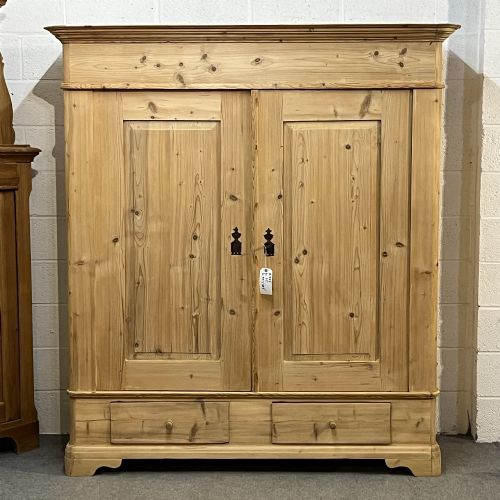
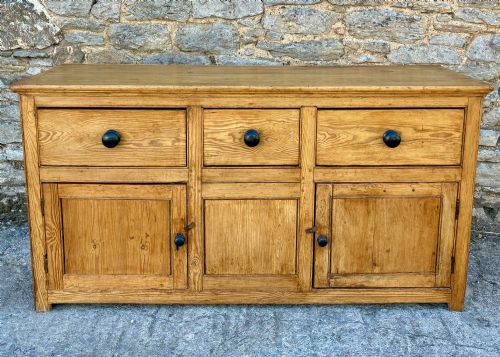
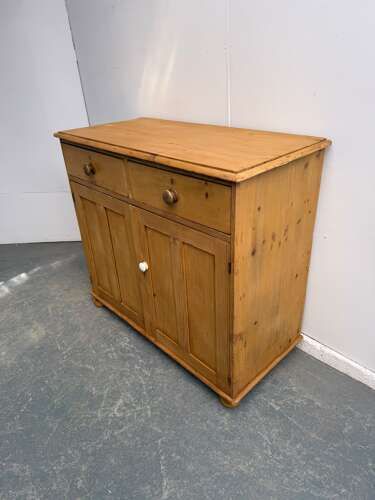
Pine dressers and housekeeper's cupboards integrate naturally into contemporary kitchens as freestanding larders or crockery storage. Their deep shelves and lower drawer sections offer practical utility that rivals modern fitted units.
Waxed or painted finishes allow these pieces to complement various interior colour schemes.
What is the difference between a bookcase cabinet and a library bookcase?
A bookcase cabinet generally refers to a smaller glazed storage piece suitable for a parlour or sitting room. A library bookcase is typically a much larger, monumental breakfront structure designed to house extensive book collections.
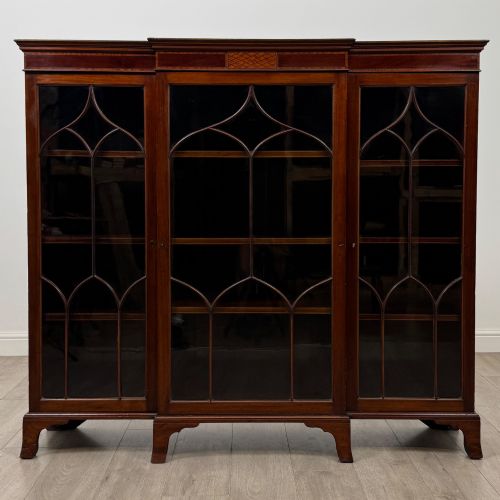
Both forms frequently incorporate enclosed lower cupboards beneath open or glazed upper shelving.