



Nineteenth Century Caucasian Carpet
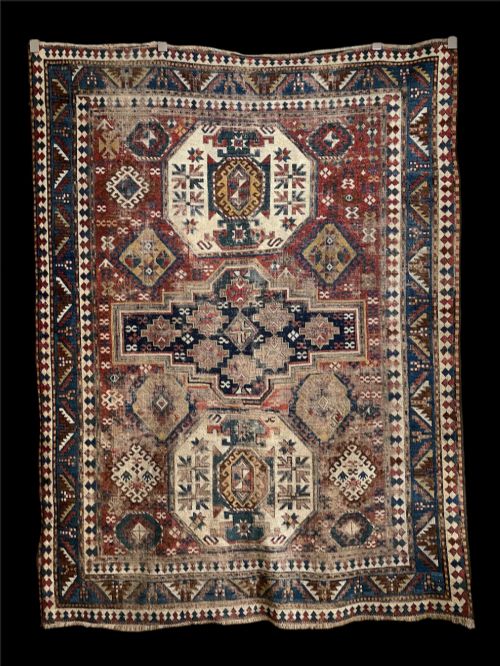
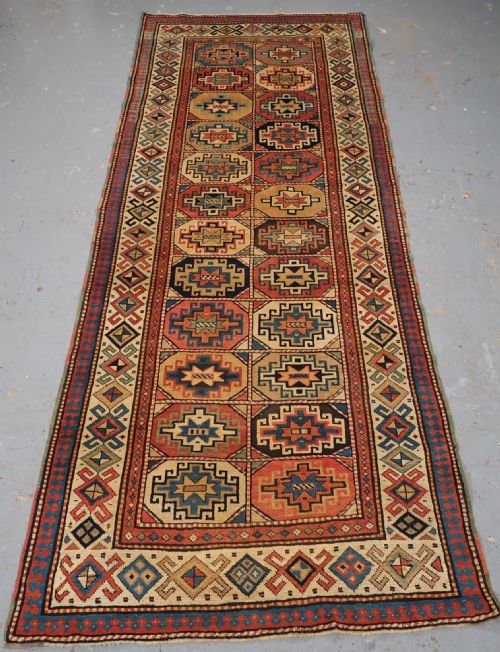
A nineteenth century caucasian carpet brings bold geometric tribal folk art into a room through rich wool weaves.
Nineteenth Century Caucasian Carpet
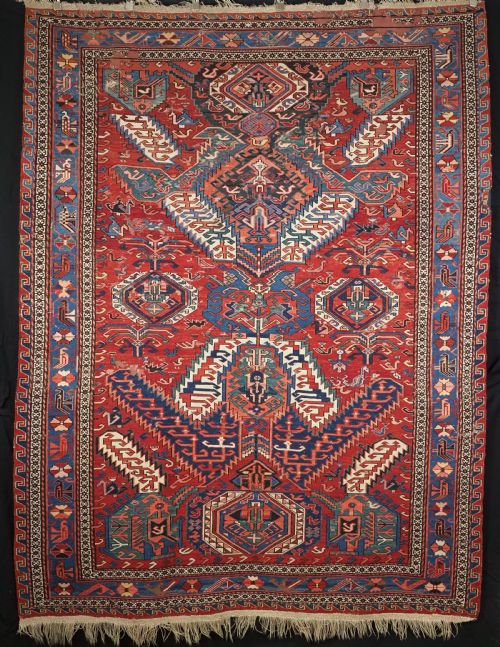
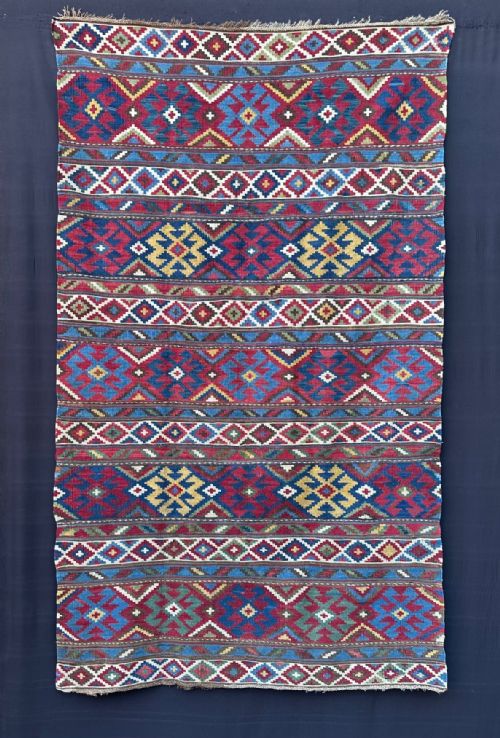
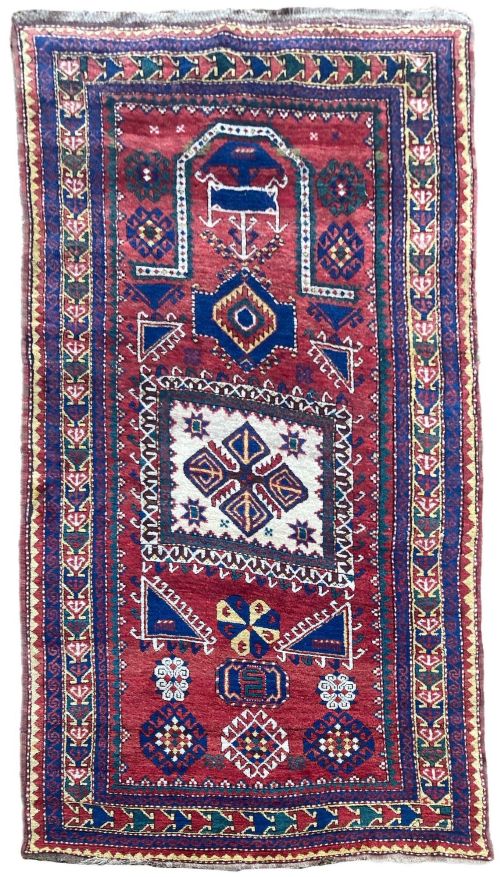
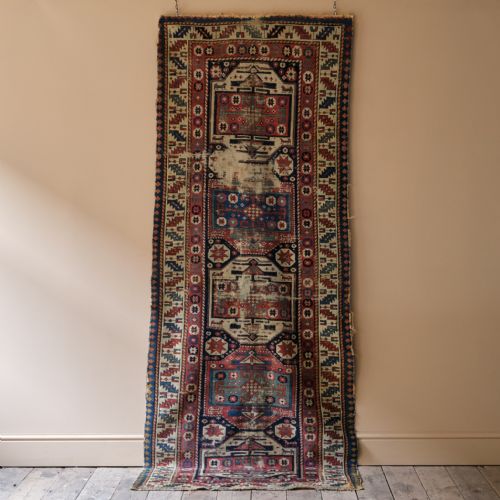
A nineteenth century caucasian carpet represents the diverse weaving traditions of the Caucasus region, spanning tribal rugs, long runners, and prayer formats. Buyers examining this page encounter varied formats like the Kazak, Soumak, Shirvan, Moghan, Karabagh, Talysh, and Kasim-Usag.
The objects take the form of area rugs, corridor runners, kilims, and bag faces created by nomadic and village weavers. Most pieces date from the decades between eighteen sixty and nineteen ten, displaying geometric medallions, stars, and tribal motifs.
How they were made
Weavers constructed these pieces using hand-spun wool and cotton foundations, employing dense hand-knotting and flatweave soumak techniques. The structural materials provide both durability and tactile depth across the surface.
Colour derives from traditional vegetable dyes, creating the rich hues and soft tones observed in these tribal textiles. Natural dye variations give the wool its characteristic depth and aged character.
Crooked Kazaks display charmingly wonky geometry where nomadic weavers let their patterns drift off-grid.
What varies in quality
Quality rests in the vibrancy and harmony of the vegetable dye palette, alongside the crispness of geometric designs such as Lezghi stars or dragon motifs. Strong colour contrast and careful drawing elevate certain village and tribal examples above standard production.
The integrity of the weave and the survival of original borders dictate the standing of a carpet. Pieces that retain their full outer guards and authentic wool structure hold greater visual impact.
The Nineteenth Century Caucasian Carpet Glossary
- Kazak
- A type of antique rug woven in the southern Caucasus, known for bold geometric medallions and saturated primary colours. These village pieces display strong tribal character.
- Soumak
- A flatweave textile technique where pattern threads wrap over the warp threads, producing a thick, durable structure without a cut pile. Soumak pieces often feature intricate geometric and animal motifs.
- Gul
- A repeating octagonal or medallion design element found across oriental and caucasian carpets. Different tribal groups utilised distinct gul patterns to identify their provenance.
- Prayer Rug
- A specialised rug format featuring a central niche or mihrab design, traditionally used for daily devotions. These pieces were woven across various caucasian regions including the Fachralo area.
- Runner
- A long, narrow carpet format designed for corridors, hallways, and passages. Caucasian runners typically display repeating medallions or staggered geometric motifs along their length.
Nineteenth Century Caucasian Carpet: Frequently Asked Questions
How do I identify a Kazak rug?
Kazak rugs are distinguished by their bold geometric medallions, wide borders, and saturated primary colour palettes. They originate from the southern Caucasus and reflect distinct village weaving traditions.
Look for large hooked polygons, stars, and animal motifs rendered in thick hand-spun wool with natural vegetable dyes.
Where were these carpets made?
These textiles were produced in the Caucasus region, situated between the Black Sea and the Caspian Sea. Specific styles originate from localized areas including Shirvan, Karabagh, and Moghan.
Nomadic and settled village weavers created these works using regional wool and traditional dyeing methods.
What is a Soumak weave?
Soumak is a flatweave technique where coloured wool threads wrap around the warp yarns rather than forming a knotted pile. This method creates a sturdy, textured surface with distinct diagonal lines.
Soumak pieces often incorporate complex geometric patterns and scarce motifs like dragons or birds.
How do I care for an old wool carpet?
Protect antique wool carpets by placing them in low-traffic areas away from direct sunlight to preserve the vegetable dyes. Regular gentle vacuuming without a beater bar removes trapped dust from the pile.
Use a breathable underlay to prevent slipping and support the cotton and wool foundation fibres.
What are Lezghi stars?
Lezghi stars are distinctive eight-pointed geometric motifs frequently found on caucasian rugs from eastern and southern districts. The design resembles an octagonal star enclosing geometric filler elements.
This motif provides a key visual indicator for identifying specific regional weaving provenances within the Caucasus.