
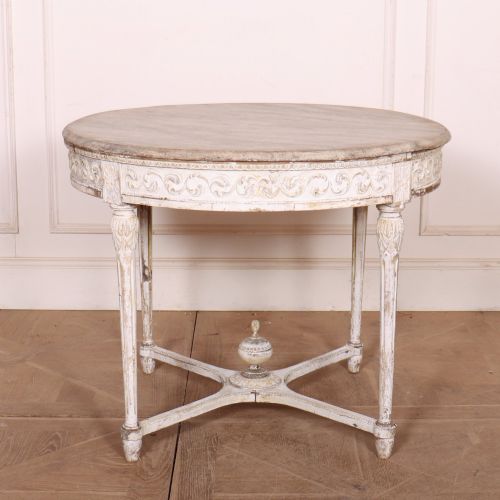

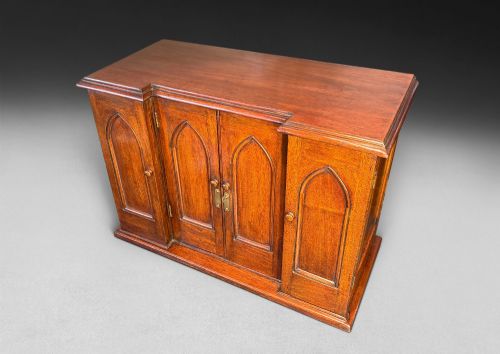
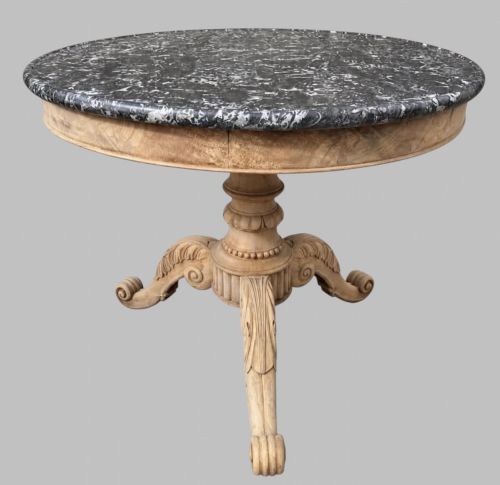
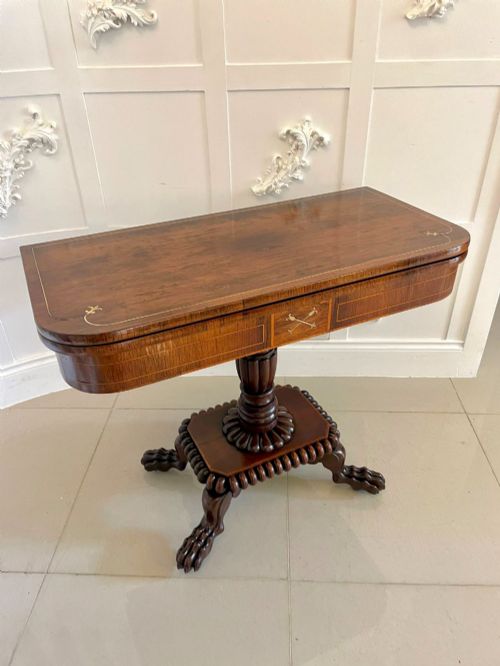
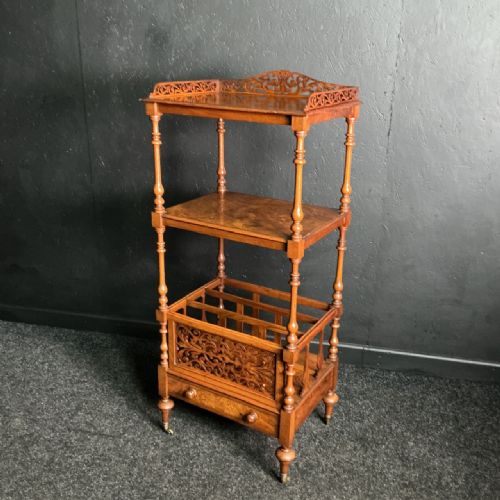
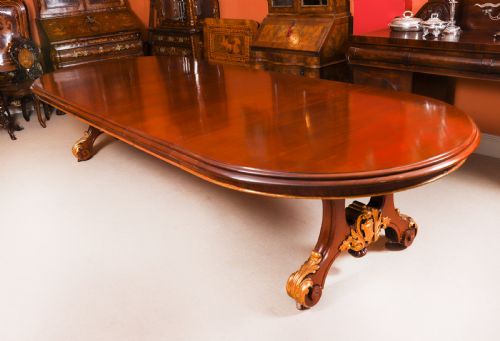
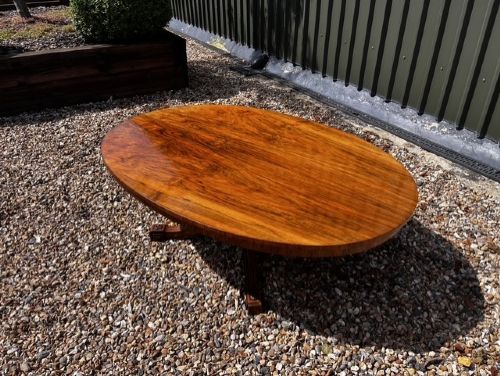
Nineteenth Century Carved Table
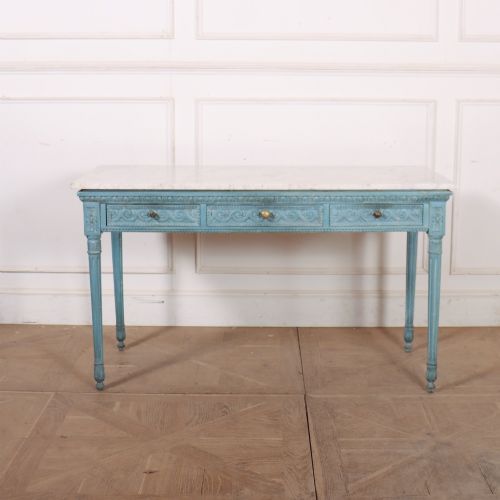
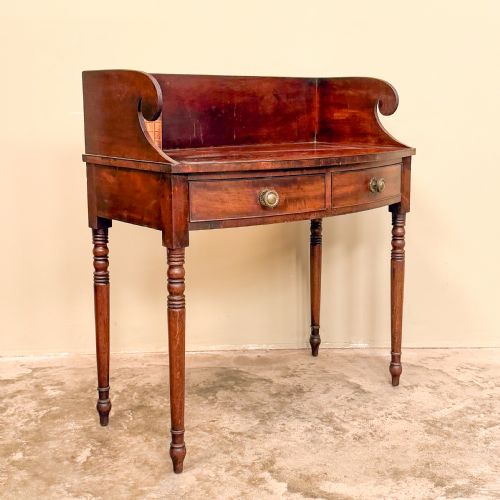
A nineteenth century carved table brings heavy timber, deep relief work, and distinct regional styles directly into a room.
Nineteenth Century Carved Table
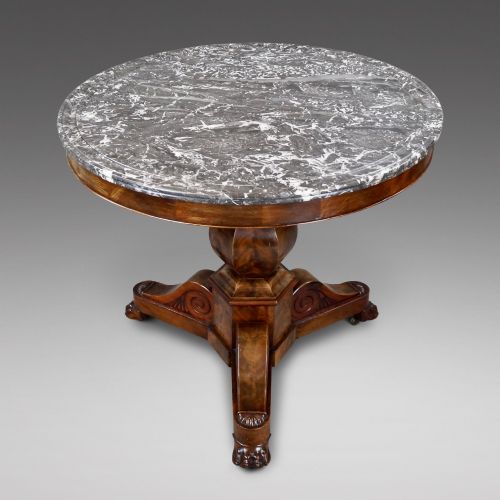
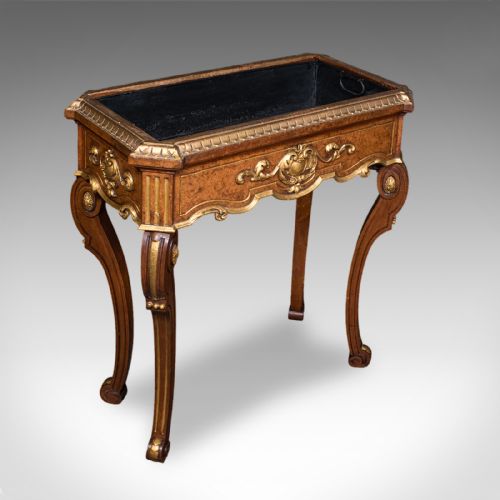
When you search for a nineteenth century carved table, you are looking at heavy timber furnishings produced across Britain, Europe, and colonial workshops during the 1800s. These pieces include console tables, card tables, centre tables, and tripod lamp tables designed for formal reception rooms and intimate parlours alike.
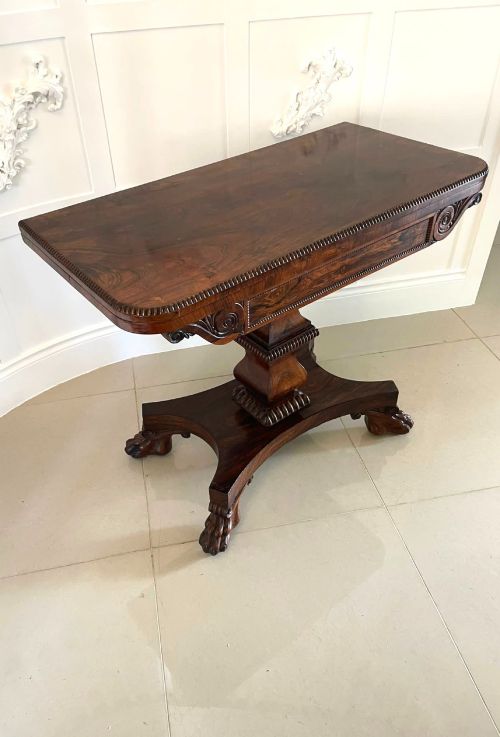
The versions you are most likely to meet on this page span Victorian, William IV, and Regency periods, often constructed from rich hardwoods like mahogany, rosewood, and walnut. Many carry elaborate relief work, ranging from classical dolphin bases to intricate Anglo-Indian and Burmese foliate carving.
Materials and construction
Cabinetmakers built these tables using dense timbers such as mahogany, walnut, and rosewood, frequently applying burr veneers to tabletops to create striking grain patterns. Hardwoods like oak and teak served structural roles, while exotic woods like padouk and amboyna appeared in imported or high-status commissions.
Carving was executed by hand, producing deep relief details along friezes, aprons, and pedestal supports. Brass inlays, marble inserts, and occasional ormolu mounts were integrated into the wooden framework to accent the silhouette.
Listings feature nineteenth century carved table examples in walnut, mahogany, oak, and rosewood, spanning periods from Regency to late Victorian.
What separates the tiers
The distinction between ordinary and exceptional work lies in the depth and crispness of the hand carving, where superior pieces exhibit sharp, undercut foliage and figures rather than soft, shallow moulding. Timber selection dictates the baseline, with highly figured burr walnut and dense flame mahogany marking out better workshop output.
Integration of secondary materials also separates the range, as tables combining finely cast brass mounts, fitted interiors, or intact marble tops reflect higher ambition from the maker. Structural honesty, such as uncompromised tilt mechanisms and original pedestals, anchors the worth of a survivor.
Wylie & Lochead·Holland & Sons·Gillows·François Linke·Johnstone and Jeanes
The Nineteenth Century Carved Table Glossary
- Gueridon
- A small French table, often round and supported by a single central column or tripod base. These frequently feature veneered tops and decorative mounts.
- Console table
- A table designed to stand against a wall, traditionally supported by brackets or console legs. They often feature marble tops and heavy carving along the apron.
- Card table
- A folding table with a hinged top that opens to reveal a baize-lined playing surface. They are characteristic of Regency and Victorian drawing rooms.
- Tilt top
- A tabletop mounted on a catch and pivot mechanism that allows the surface to tilt vertically when not in use. This design saved space in period interiors.
- Ormolu
- Gilded bronze used for decorative mounts and accents on furniture. It appears most frequently on French 19th-century pieces.
Nineteenth Century Carved Table: Frequently Asked Questions
How do I spot a Regency table?
Regency tables typically display classical restraint, featuring rosewood or mahogany veneers paired with brass inlay, sabre legs, or carved dolphin supports.
Proportions remain architectural, drawing heavily on Greek and Roman revival motifs popular during the early decades of the nineteenth century.
What is a card table used for?
Period card tables served as multi-functional furniture for parlour games like whist, featuring a hinged top that folded flat against the wall when idle.
Inside, you will often find a surface lined with baize or leather, sometimes accompanied by small corner wells for counters.
How do I care for antique rosewood?
Rosewood requires stable humidity and protection from direct sunlight to prevent the dense natural oils from drying out and causing surface splits.
Dust regularly with a dry cloth and apply a traditional wax sparingly only when the timber appears dry.