


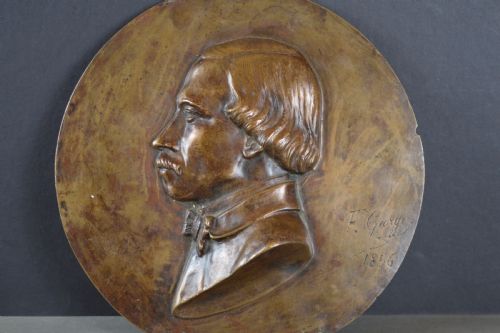


Nineteenth Century Bronze Bust
A nineteenth century bronze bust brings classical dignity or character into a room through cast metal and careful patination.
Nineteenth Century Bronze Bust
When searching for a nineteenth century bronze bust, buyers encounter sculptural portraits cast in metal, often mounted on stone bases or columns. These pieces capture historical figures, mythological subjects, literary heroes and classical personages with enduring presence.
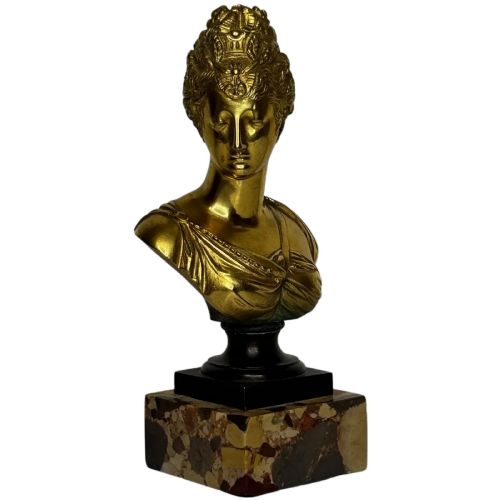
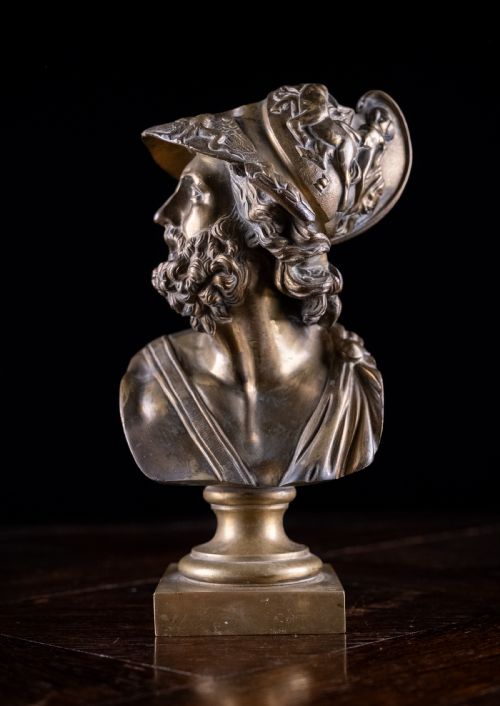
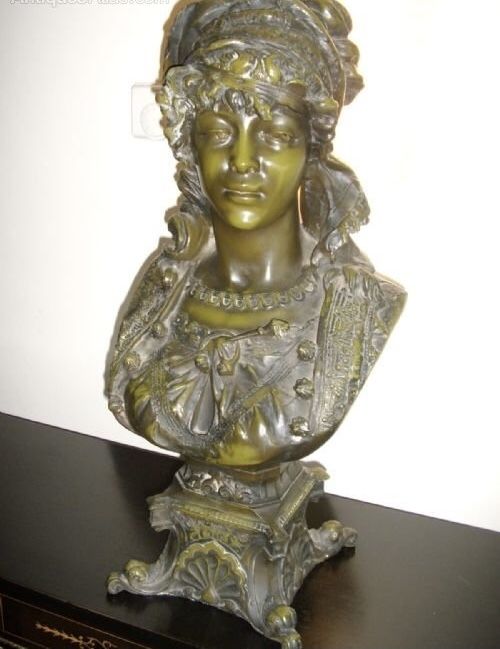
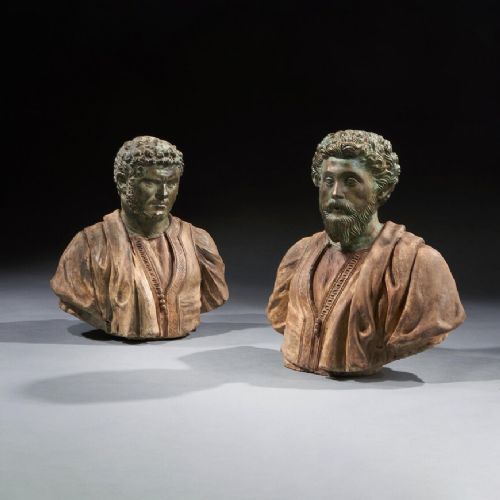
The selections span distinct stylistic revivals, including Neoclassical, French Renaissance Revival, Egyptian Revival and Art Nouveau. Subjects range from Roman emperors and classical philosophers to named literary figures and elegant young women.
Many examples combine cast bronze with contrasting materials such as marble, alabaster or onyx pedestals. Some pieces function as standalone sculptures, while others form pairs or integrate into mantel clocks and decorative plaques.
How they were made
Foundries produced these sculptures primarily in bronze, sometimes utilising gilt bronze, patinated bronze, ormolu, and related media like terracotta and spelter. Molten metal was poured into moulds to capture fine details in hair, drapery and facial expression.
Makers finished the cast surfaces through applied patination, verdigris treatments, or gilding to create depth and texture. Many busts were then mounted onto fitted marble, onyx or alabaster plinths to complete the presentation.
Hypnos, the ancient Greek god of sleep, occasionally watches over modern rooms in the form of a nineteenth-century Grand Tour verdigris bronze study.
What varies in quality
The choice and execution of the base material also mark the grade of the piece, as finely turned marble, alabaster or ormolu mounts elevate the overall balance and presence of the sculpture.
George Van Der Straeten·Emmanuel Villanis·Emile Laporte·J Lavergne
The Nineteenth Century Bronze Bust Glossary
- Patinated bronze
- Bronze that has been chemically treated to alter its surface colour, often producing dark brown, green or verdigris tones. This layer protects the metal and defines the visual mood of the sculpture.
- Ormolu
- Gilded bronze produced by applying a mercury and gold amalgam to the metal surface and heating it. This technique creates a rich, durable golden finish common in decorative arts.
- Grand Tour
- A traditional trip through Europe undertaken by young upper-class men to study art and antiquities. Souvenirs from these journeys often included small bronze busts of classical subjects.
- Neoclassical
- A style inspired by the art and culture of ancient Greece and Rome, characterised by formal symmetry and classical dignity. This aesthetic heavily influenced nineteenth-century portraiture and ornament.
- Spelter
- An alloy of zinc and lead often used as a less expensive substitute for bronze. It frequently received a bronze-coloured coating to mimic true cast bronze.
Nineteenth Century Bronze Bust: Frequently Asked Questions
What subjects do these busts depict?
These sculptures represent a wide variety of historical, mythological and literary figures. Common subjects include Roman emperors, classical philosophers, poets and allegorical female models.
Maker interpretations also extend to named historical personalities and literary characters from different European traditions.
Where should I display a bronze bust?
A bronze bust suits placement on sturdy mantelpieces, bookcases, or dedicated pedestals and columns. Their three-dimensional nature allows them to anchor a room when positioned at eye level.
Pairing them with appropriate lighting helps emphasise the patination and surface detail of the metal.
How do I distinguish bronze from spelter?
True bronze is a heavy copper alloy that develops a stable surface patina and rings with a resonant tone when struck gently. Spelter is softer, lighter, and often shows white metal beneath surface wear.
Consulting the weight and examining any areas where the finish has rubbed can help clarify the material.
What periods are represented?
The pieces span the nineteenth century and extend into the early twentieth century, incorporating Regency, Victorian, and Edwardian aesthetic movements. Stylistic revivals from this era drew heavily on classical antiquity and the French Renaissance.
Later interpretations also embrace Art Nouveau and Egyptian Revival motifs.