


Egyptian Revival Bronze Statue
An egyptian revival bronze statue brings the monumental grandeur of antiquity into domestic spaces through striking metalwork.
Egyptian Revival Bronze Statue
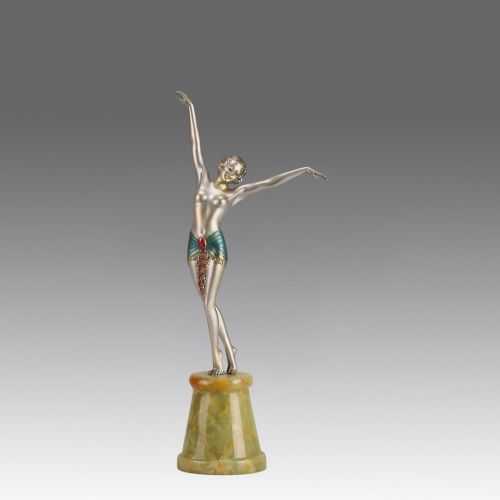
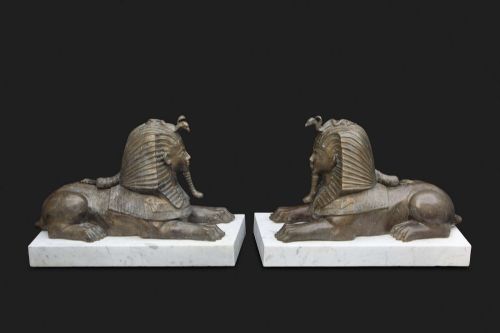
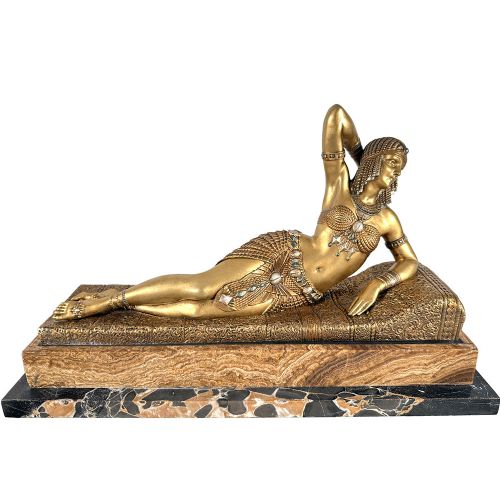
An egyptian revival bronze statue draws upon classical forms, featuring figures such as sphinxes, dancers, shabtis, and cats set upon heavy bases. These works emerge from diverse periods spanning the nineteenth century through the mid twentieth century, including grand tour and art deco interpretations.
Buyers will encounter various incarnations ranging from monumental sphinx sculptures on carrara marble plinths to cold-painted dancers and functional candelabras. The design vocabulary relies heavily on distinct historical motifs executed in cast metal.
Originating largely from french workshops and grand tour production, these pieces reflect shifting european fascination with ancient civilisations across successive decades.
Assessing Quality and Execution
The selection and proportion of the supporting marble or onyx plinth heavily influence the overall presence of the object. Heavier, finely veined stone bases properly proportioned to the bronze figure indicate superior manufacture.
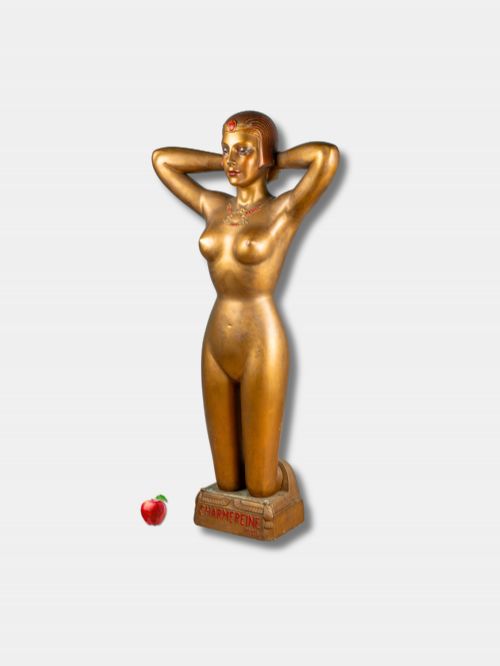
Object forms range from figurative sculptures and theatrical dancers to functional candelabras and advertising mannequins.
Josef Lorenzl·Demetre Chiparus·Charmereine·Guillot
The Egyptian Revival Bronze Statue Glossary
- Grand Tour
- A traditional trip through Europe undertaken by upper-class young men to collect art and antiquities. Pieces from this context often replicate classical monuments in miniature bronze.
- Cold-Painted Bronze
- A technique where paint is applied to an unheated bronze object and left to dry naturally. This method was widely utilised during the art deco period for colourful figurative sculptures.
- Sphinx
- A mythical creature with the body of a lion and a human or animal head. It remains a central architectural and sculptural motif within egyptian revival design.
- Shabti
- A funerary figurine placed in ancient egyptian tombs to act as a servant for the deceased in the afterlife. Nineteenth-century interpretations translated these forms into decorative gilt bronzes.
- Patinated Bronze
- Metal treated with chemical solutions to produce a specific surface colour and aged appearance. This finish protects the bronze while defining sculptural contours.
Egyptian Revival Bronze Statue: Frequently Asked Questions
How do I date an egyptian revival bronze statue?
Dating relies on stylistic markers and manufacturing techniques visible in the cast and its mount. Art deco pieces often feature dynamic dancers and stylised bases, whereas nineteenth-century grand tour works lean towards architectural precision and patinated sphinxes.
Examination of the marble plinth and the quality of the bronze patination helps distinguish between nineteenth-century production and later twentieth-century iterations.
Where were these statues originally displayed?
These figures were designed for domestic display within nineteenth-century drawing rooms, studies, and grand hallways. Collectors placed them upon mantelpieces, desks, or dedicated pedestals to showcase classical learning and refined taste.
Later art deco examples transitioned into stylish interior decoration, occasionally serving practical functions as candelabras or advertising display pieces.
Are these statues solid bronze?
Most sculptural figures are cast using the traditional lost-wax method, which typically yields hollow metal forms rather than solid blocks of metal. This technique allows for intricate detailing while maintaining structural integrity.
Weight is often provided by the internal structure and the heavy marble or onyx plinths to which the figures are permanently mounted.
How should I clean my bronze statue?
Routine maintenance requires only gentle dusting with a soft, dry cloth to prevent particulate accumulation on the patinated surface. Avoid abrasive cleaners, oils, or chemical polishes that can strip away historic patination or damage cold-painted finishes.
Keeping the piece away from direct sunlight and excessive humidity preserves both the metal and its stone base over time.