


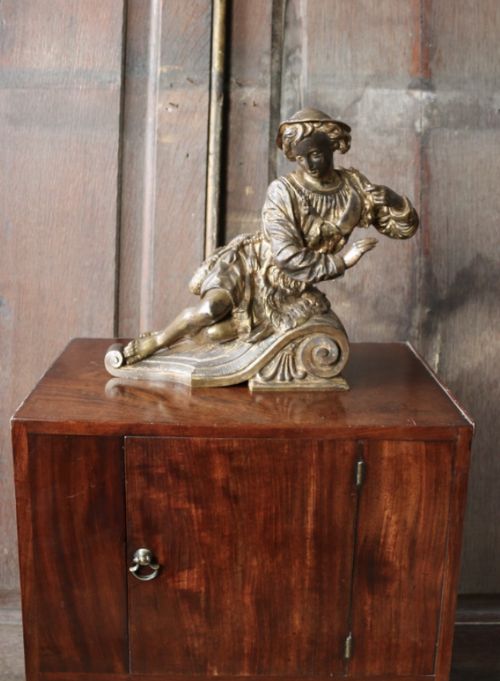
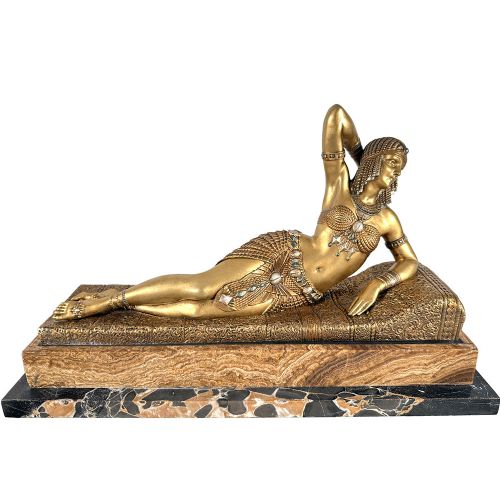


French Bronze Decorative Figure
A French bronze decorative figure brings tactile weight and sculptural presence to a room, ranging from classical cherubs to sleek Art Deco dancers.
French Bronze Decorative Figure
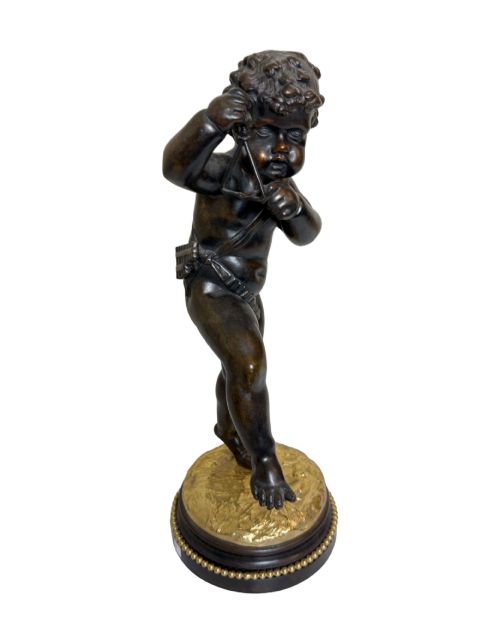
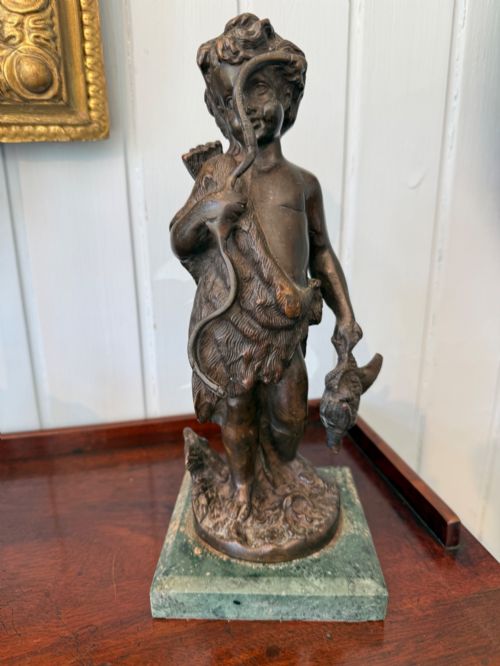
A French bronze decorative figure encompasses cast metal sculptures, clock garnitures, lamp bases, and bookends originating from workshops across the nineteenth and early twentieth centuries. These pieces draw heavily on classical mythology, animalier studies of wildlife, and romantic allegories rendered with distinct continental flair.
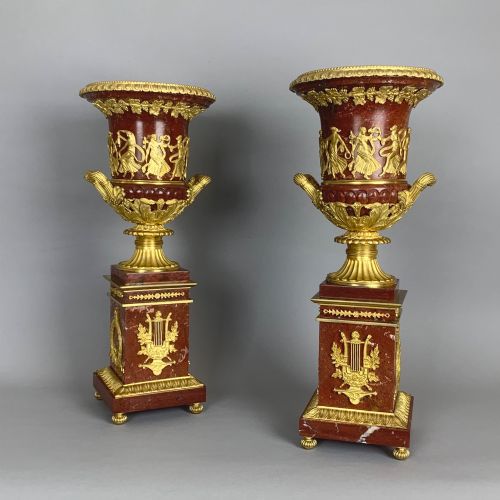
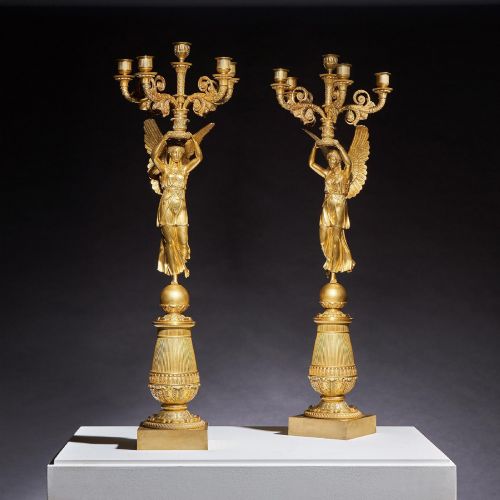
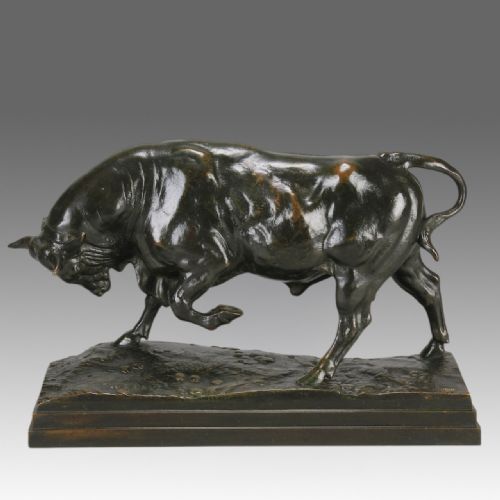
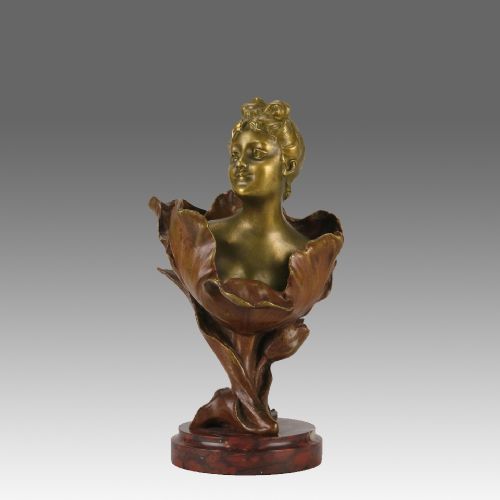
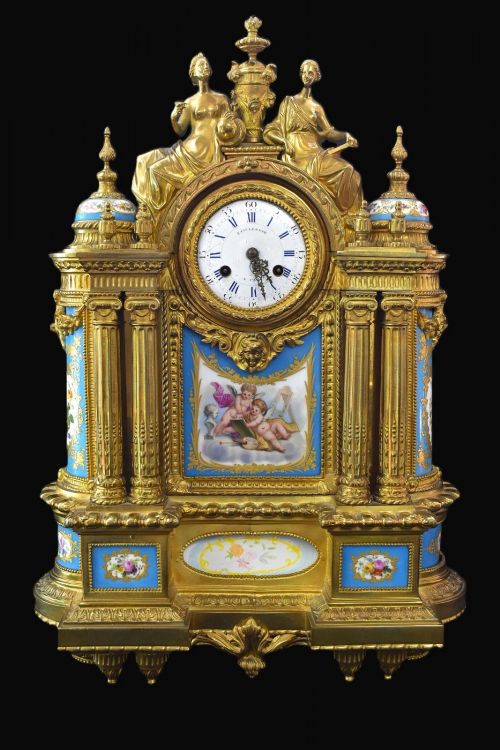
Buyers meet varied forms on this page, spanning nineteenth-century patinated bronze cherubs, animalier bulls, and gilt bronze candelabra alongside 1930s Art Deco dancer figures. Many incorporate contrasting materials such as marble plinths, porcelain panels, and rock crystal columns to elevate their visual impact.
The aesthetic vocabulary shifts through successive periods represented here, moving from formal French Empire and Neoclassical symmetry into organic Art Nouveau undulations and geometric Art Deco styling. Such objects served practical domestic functions as mantel clocks and lamps or remained purely decorative cabinet bronzes.
How They Were Made
Foundries utilised the lost-wax method or sand-casting techniques to shape molten bronze into intricate figures, subsequently refining the metal surface through hand-chiselling and filing. Artisans applied chemical patination or mercury gilding, known as ormolu, to produce deep brown tones or brilliant golden finishes.
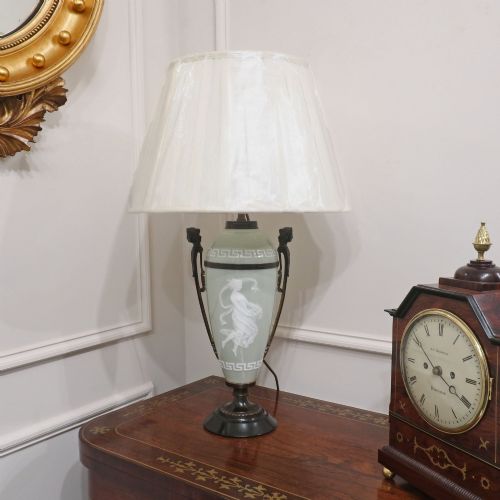
Many domestic items combine bronze castings with carved white marble bases, ceramic clock dials, and pate sur pate porcelain inserts. Alternative base metals such as spelter appear alongside terracotta for modelled figures, offering varied weights and surface textures.
Listings feature periods from the 18th century through the Victorian era and Art Deco years, utilising bronze, marble, and porcelain.
What Varies in Quality
The integrity of the construction distinguishes high-tier studio work, visible in tight joints between multi-part bronzes, substantial marble plinths, and signed signatures or foundry marks embedded in the base.
Pierre Philippe Thomire·Antoine Louis Barye·Henri Godet·Etienne Lenoir·Demetre Chiparus·Emile Picault·Alexandre Kelety·Isidore Jules Bonheur·Ugo Cipriani·Albert Carrier Belleuse·Japy Freres·Pierre Jules Mène
The French Bronze Decorative Figure Glossary
- Ormolu
- Gilded bronze, where a finely ground gold-mercury amalgam is applied to a bronze base and heated to drive off the mercury. This technique creates a rich, durable golden surface seen on clocks and decorative mounts.
- Spelter
- Zinc alloy often used as a less expensive substitute for bronze in decorative figures. It is softer than bronze and typically carries a painted or faux-bronze finish.
- Animalier
- A nineteenth-century artistic movement focusing on realistic depictions of animals, particularly horses, dogs, and wild beasts in motion. Sculptors like Barye and Mène mastered this genre.
- Patina
- The surface coloration and sheen developed naturally through age or applied chemically by the foundry. It protects the metal and defines the sculptural highlights.
- Tazza
- An ornamental shallow cup or bowl mounted on a stem and foot, frequently cast in bronze or brass for display.
French Bronze Decorative Figure: Frequently Asked Questions
How do I distinguish bronze from spelter?
Bronze is heavier, colder to the touch, and rings with a clear tone when tapped gently, whereas spelter feels lighter and softer under the fingernail.
Closer inspection of the base often reveals the greyish metal underneath worn areas of a spelter figure's painted finish.
Were these figures meant for lighting?
Many sculptural works doubled as functional objects, integrating candle sockets, oil burners, or later electrical lamp fittings.
Figural lamps and candelabra combined illumination with classical or romantic motifs to anchor grand nineteenth-century interiors.
How should I clean a bronze sculpture?
Dust the surface regularly with a soft, dry brush to prevent particulate accumulation within the crevices of the chasing.
Avoid chemical polishes or water, which strip away the historical patina and damage the underlying metal.
What is an animalier bronze?
An animalier bronze depicts naturalistic animal forms, capturing creatures in motion or moments of predatory tension.
Master sculptors of this genre studied anatomy closely at menageries to render muscles and fur with absolute precision.