

Nineteenth Century Blue Porcelain
Nineteenth century blue porcelain spans diverse European and Asian traditions, offering collectors striking cobalt tones, intricate hand-painted details, and versatile decorative forms.
Nineteenth Century Blue Porcelain
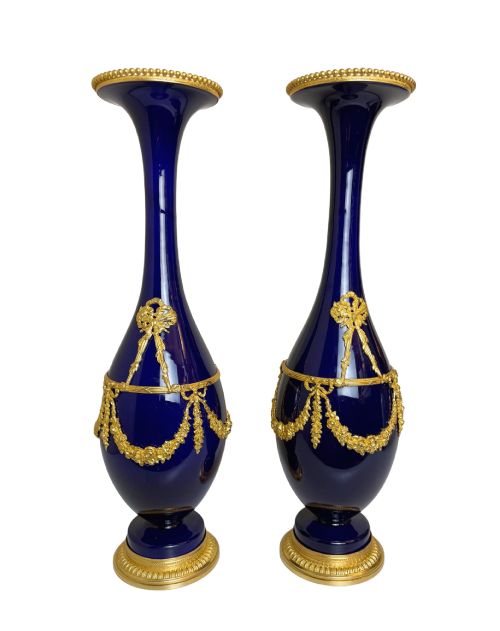
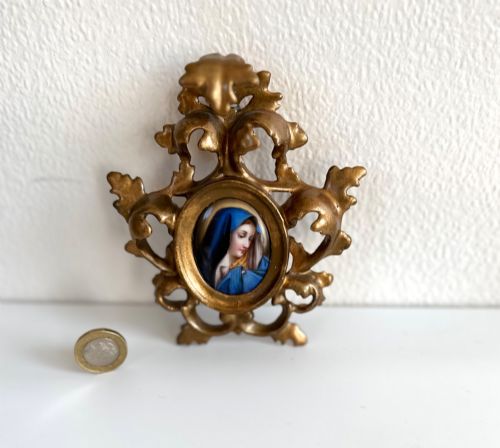
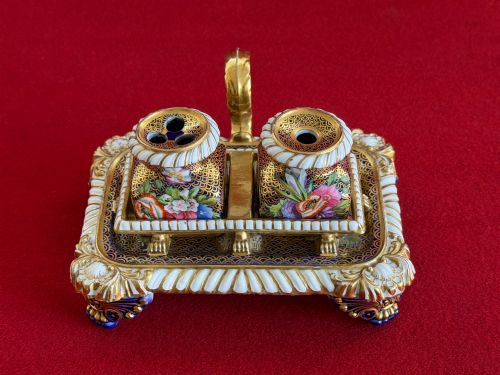
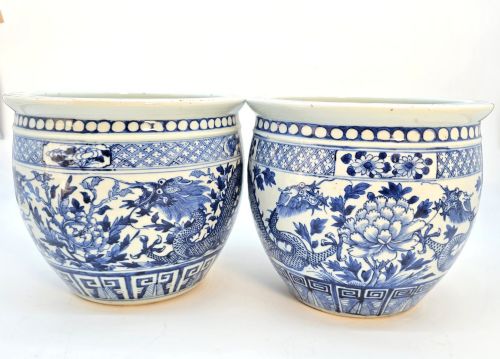
Nineteenth century blue porcelain encompasses a rich variety of decorative objects, from large floor vases and mantel clocks to cabinet plates and table chargers. The pieces originate from multiple cultural centres, notably European factories in France and England alongside Japanese and Chinese kilns.
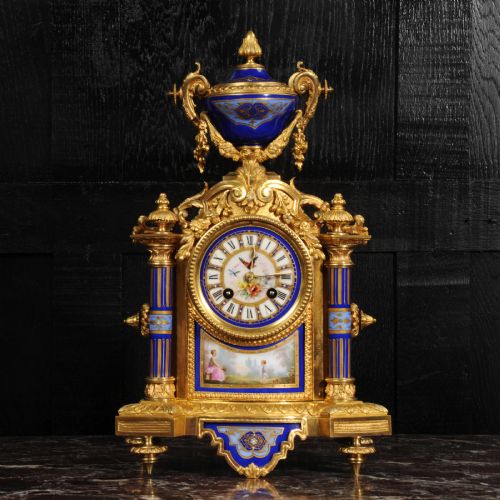
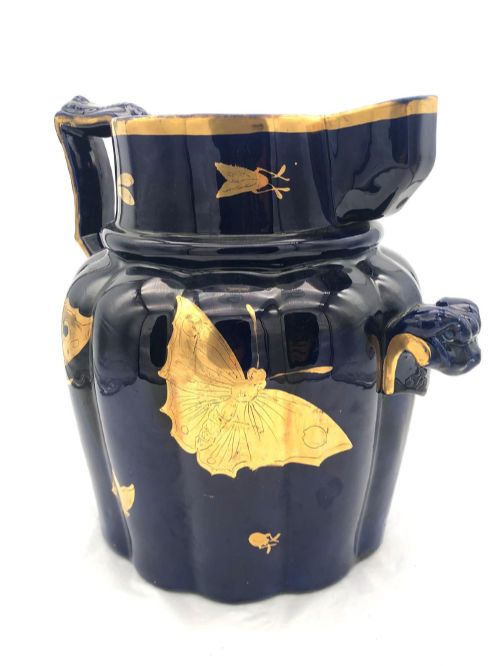
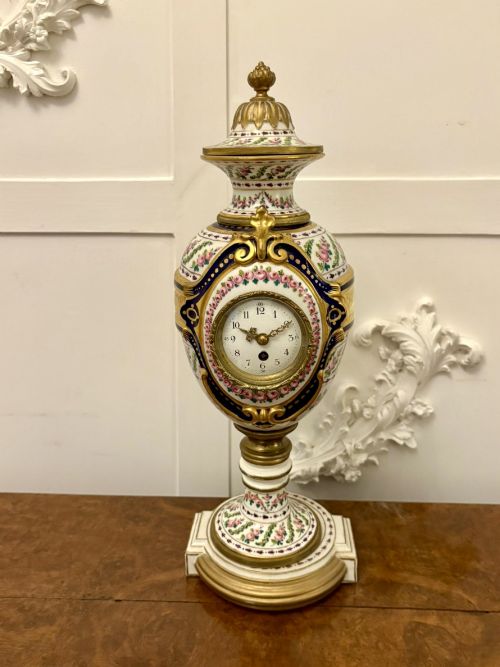
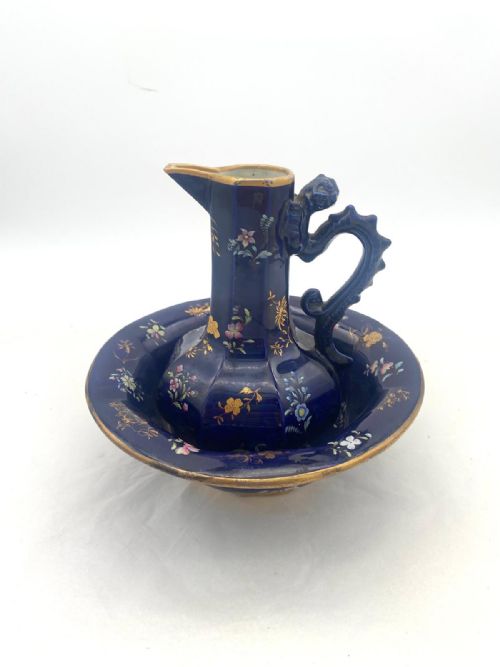
Buyers encountering this group will frequently find nineteenth century blue porcelain expressed through Japanese Imari export wares, French ormolu-mounted mantel clocks featuring porcelain panels, and transfer-printed English ironstone vessels. These items served both utilitarian dining functions and formal interior display roles within period homes.
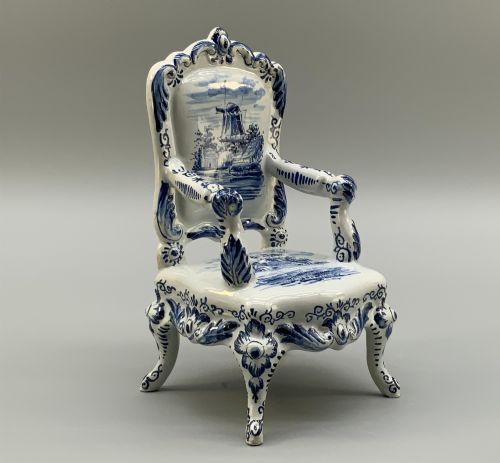
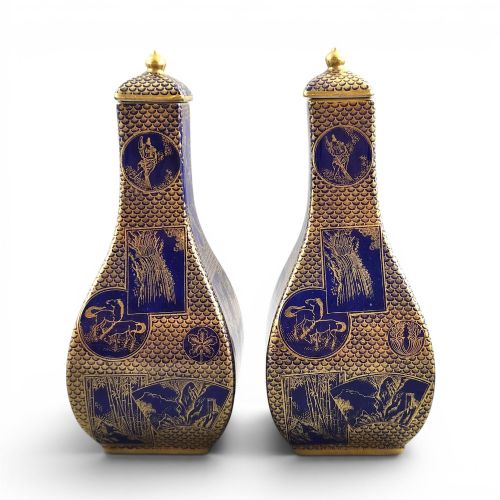
The aesthetic bridges several design movements, including the French Rococo Revival, Regency classicism, and the Japanese Meiji period. Each geographic origin brings distinct decorative motifs, ranging from traditional blue and white landscapes to dense cobalt and gilt panel compositions.
What varies in quality
The standard of nineteenth century blue porcelain depends heavily on the precision of the hand-painting and the depth of the cobalt pigment firing. Superior pieces exhibit crisp transfer details or fluid brushwork without blurring in the blue glazes.
Integration of secondary materials elevates certain examples, particularly where French ormolu or gilt bronze mounts complement the ceramic body. Maker signatures, specific factory marks, and intricate gilding or moriage execution further separate standard production items from exhibition-grade works.
Listings feature porcelain forms spanning the Victorian, Regency, and Meiji periods, incorporating earthenware, ironstone, and ormolu materials.
Japy Freres·Spode·Royal Bonn·Masons Ironstone·John Davenport·Stubbs·Aynsley·Chamberlain·Etienne Lenoir·Pucher Deroche·Kinkozan·Nanzan
The Nineteenth Century Blue Porcelain Glossary
- Cobalt
- A metallic oxide used to produce deep blue colouration under ceramic glazes. It remains stable at high kiln temperatures, allowing for rich tonal depth.
- Ormolu
- Gilt bronze mounted onto decorative objects such as French mantel clocks and porcelain vases. The technique involves applying a mercury and gold amalgam to bronze.
- Imari
- A style of Japanese export porcelain featuring deep cobalt blue, iron red, and gold detailing. These patterns were widely produced during the Edo and Meiji periods.
- Transfer printing
- A mechanical method of applying complex monochrome designs onto ceramics from an engraved copper plate via tissue paper. This technique transformed English pottery production during the nineteenth century.
- Moriage
- A decorative ceramic technique utilising raised slip to create textured relief patterns. It frequently appears on Japanese Satsuma wares alongside cobalt and gilt highlights.
Nineteenth Century Blue Porcelain: Frequently Asked Questions
How do I identify Japanese Imari?
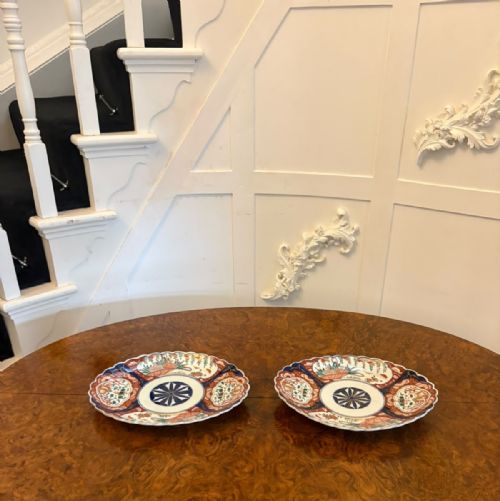
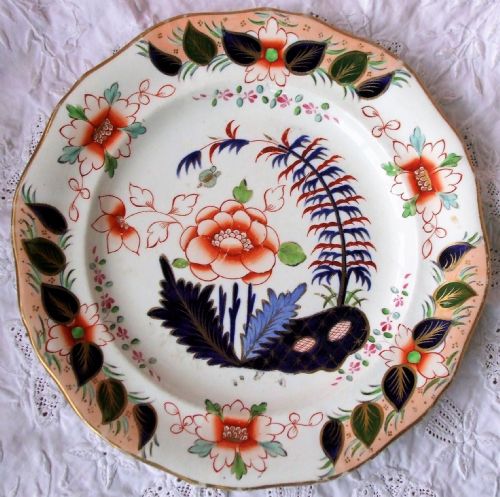
Japanese Imari pieces from the nineteenth century are readily identified by their distinctive palette of deep cobalt blue, iron red, and supplementary gilding. These works often feature intricate panel designs depicting floral or natural motifs.
Such ceramics reflect both traditional Edo period aesthetics and Meiji export trends, serving as vibrant decorative elements within period interiors.
Where were nineteenth century blue clocks made?
Many decorative mantel clocks featuring blue porcelain elements originated in France, produced by established makers such as Japy Freres. These movements were frequently housed in ormolu or gilt bronze cases.
The porcelain components often incorporated Sevres-style painted scenes or deep blue grounds that matched contemporary French decorative arts.
What is ironstone pottery?
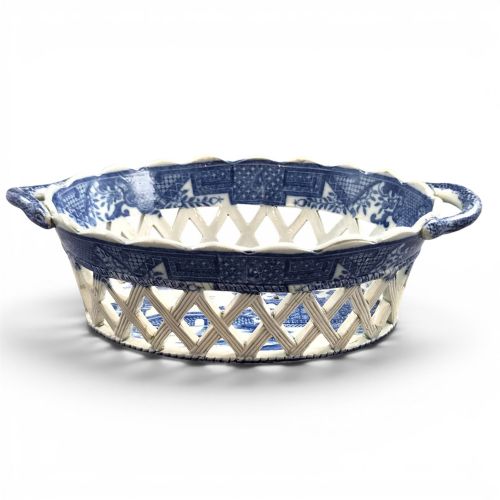
Ironstone is a durable type of earthenware developed in England to imitate imported Chinese porcelain. Factories utilised it for robust utilitarian vessels like footbath jugs and large chargers.
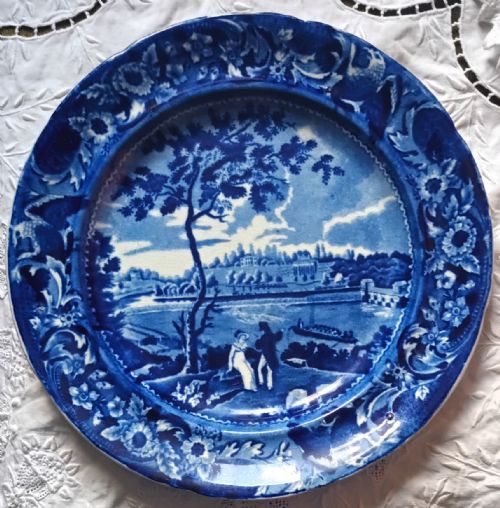
Pieces frequently display transfer-printed blue patterns, combining practical strength with sophisticated nineteenth-century design aesthetics.
How should I display large porcelain vases?
Large nineteenth-century vases, particularly tall Japanese or French examples, require stable placement on sturdy low tables or dedicated architectural pedestals. Their substantial height and weight demand secure positioning away from high-traffic household areas.
Allowing adequate clearance highlights their hand-painted cobalt and gilt details without visual clutter.