

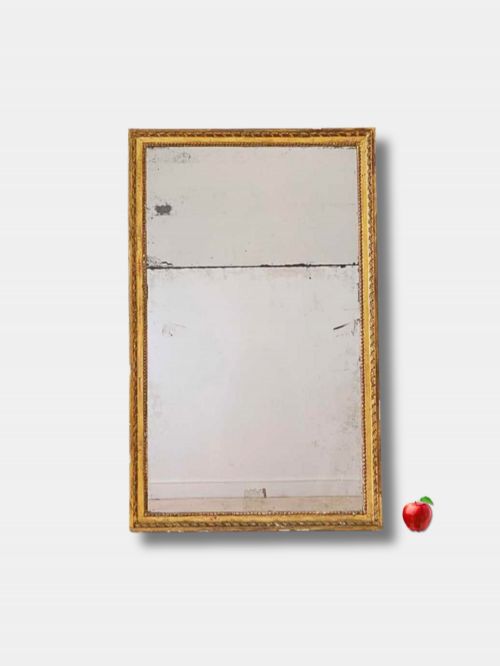


Neoclassical Wall Plate
These neoclassical wall plate selections range from porcelain chargers to gilt mirrors with mercury glass plates, offering distinct decorative focus for the room.
Neoclassical Wall Plate
A neoclassical wall plate encompasses a variety of forms including porcelain cabinet plates, chargers, and decorative framed plates alongside mirrors incorporating glass plates. Buyers searching for a neoclassical wall plate will encounter examples spanning the eighteenth and nineteenth centuries, including Regency and Louis XVI revival designs.
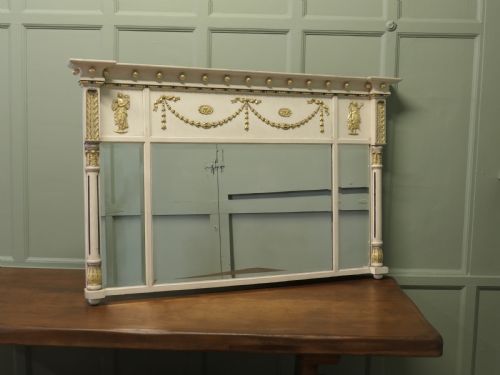
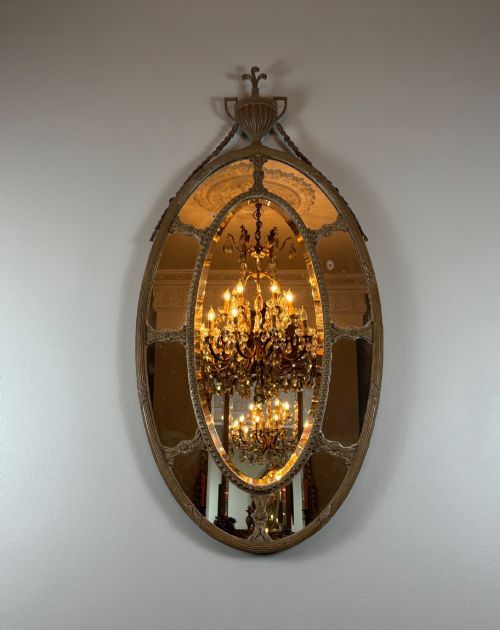
The materials span from hand-painted porcelain to giltwood frames holding mercury glass plates and bronze platters. Vienna porcelain chargers depicting classical scenes frequently appear alongside Adam and Regency style mirrors utilising carved gesso and gilt leaf.
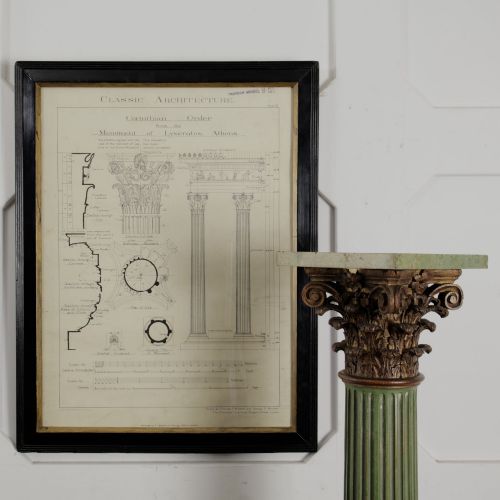
Many of these objects incorporate classical motifs such as urns, swags, and mythological subjects like Cupid and Psyche. The selection balances decorative porcelain with wall-hung mirrors and framed engravings of classical antiquities.
Materials and Techniques
Porcelain chargers and cabinet plates rely on hand-painting techniques, often finished with gilt accents and detailed mythological or historical scenes. Factories such as Vienna produced large porcelain surfaces requiring high-temperature firing and careful enamel application.
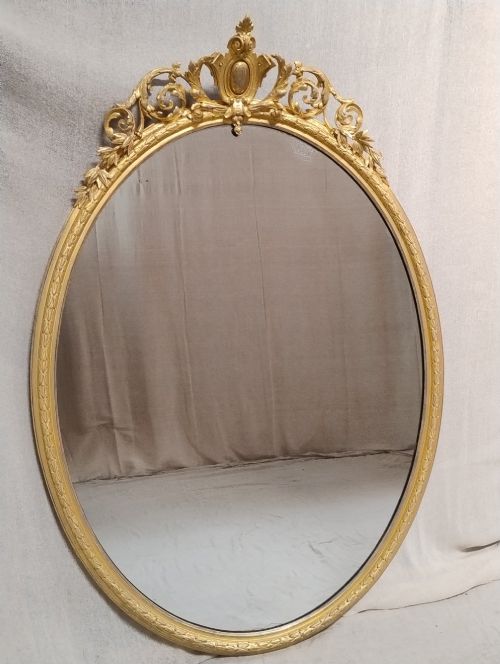
Mirrors and framed plates utilise wood, gesso, and giltwood bases, frequently employing gold leaf to build up classical relief ornamentation like urns and swags. Mercury glass plates provide the reflective surfaces for many nineteenth-century and earlier frames.
Bronze and pewter pieces involve casting methods typical of Grand Tour souvenirs and commemorative tableware, while paper prints utilise copperplate engraving techniques to reproduce classical architecture and portraits.
Listings feature porcelain, giltwood, bronze, and paper across the eighteenth and nineteenth centuries.
Assessing Quality
Quality rests upon the precision of the hand-painting on porcelain chargers and the crispness of the carving in giltwood and gesso frames. Finer pieces demonstrate superior detail in facial expressions, gilding depth, and the preservation of original mercury glass plates.
The depth of historical association and the complexity of classical motifs, such as multi-figure mythological scenes or intricate Corinthian order framing, distinguish finer examples from simpler production.
Royal Vienna·Mintons
The Neoclassical Wall Plate Glossary
- Charger
- A large decorative plate intended for display rather than dining use. These often feature hand-painted classical narratives.
- Mercury glass
- A type of silvered glass produced by pouring a liquid mercury amalgam between double-walled blown glass before sealing. It yields a warm, mottled reflection.
- Giltwood
- Timber carved and coated with gold leaf over a prepared gesso ground. It forms the structure of many period frames and mirrors.
- Pate sur pate
- A porcelain manufacturing technique where liquid clay is applied in successive layers to create a low-relief cameo effect. This method requires considerable skill from the ceramic artist.
- Neo-classical
- A style inspired by the art and architecture of classical antiquity, prevalent during the eighteenth and nineteenth centuries. It utilises symmetry, urns, swags, and classical orders.
Neoclassical Wall Plate: Frequently Asked Questions
How do I hang a heavy giltwood mirror safely?
Heavy mirrors require substantial fixings screwed directly into wall studs or masonry using appropriate wall anchors. Professional mirror hangers utilise two weight-bearing points to distribute the load evenly across the frame.
Ensure the hanging wire or integrated brackets on the back of the frame match the weight rating of your chosen hardware before mounting.
Are Vienna porcelain chargers meant for food use?
These nineteenth-century porcelain pieces function strictly as decorative cabinet plates or chargers intended for display. Their hand-painted enamel surfaces and gilt details are susceptible to wear from cutlery and washing.
Display them on sturdy plate stands or hang them securely using proper wall-mounting hardware designed for ceramics.
What is mercury glass in antique mirrors?
Mercury glass refers to double-walled blown glass silvered with a mercury and bismuth mixture during the nineteenth century. It produces a characteristic dark, reflective depth rather than the bright shine of modern aluminium-backed glass.
This historical silvering method ages gracefully, often developing characteristic spotting and tarnishing behind the glass surface.