





Neoclassical Torchere Stand
A neoclassical torchere stand elevates a lamp or sculpture with classical dignity, bringing architectural form and fine materials into a room.
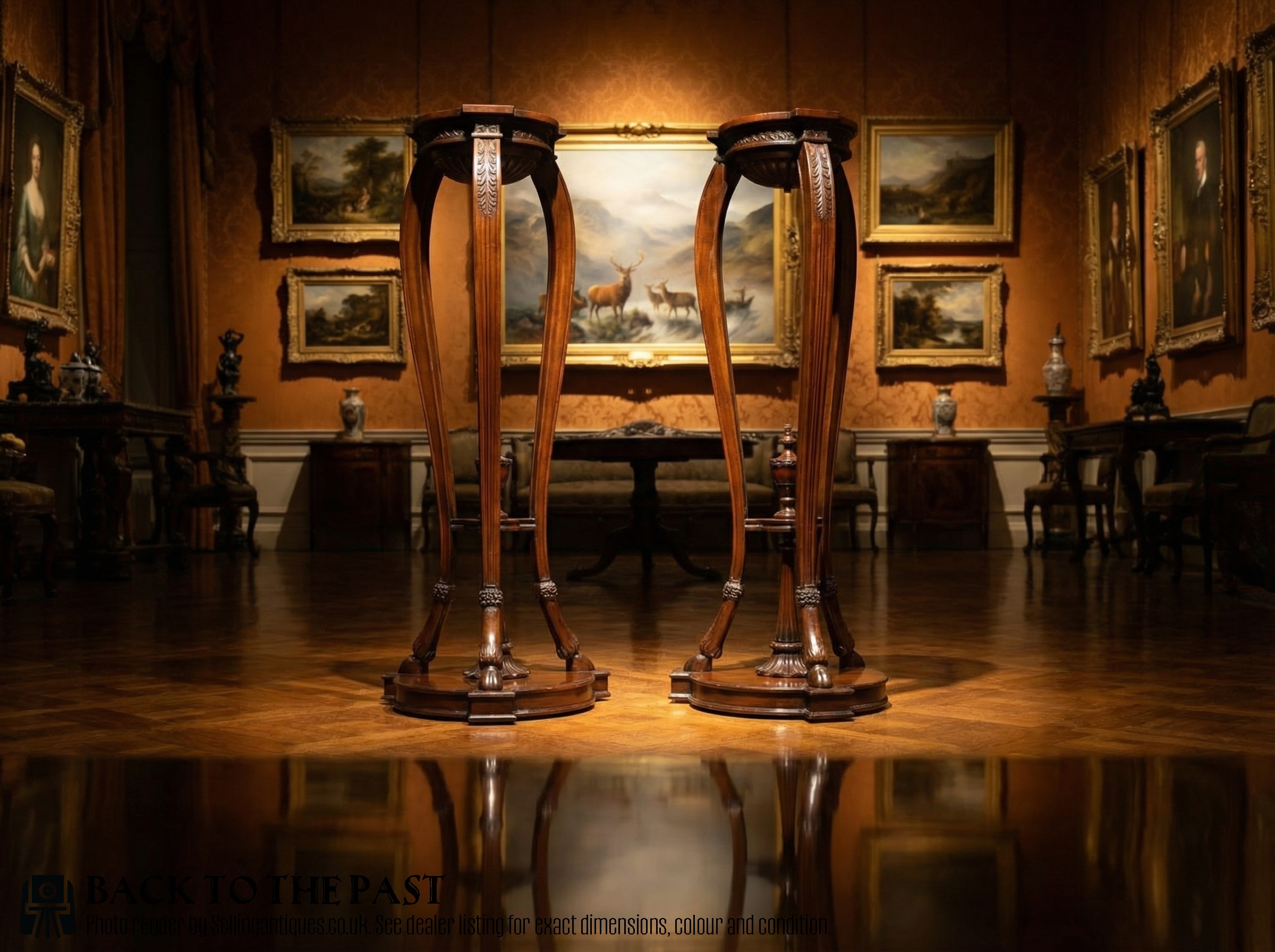
Neoclassical Torchere Stand
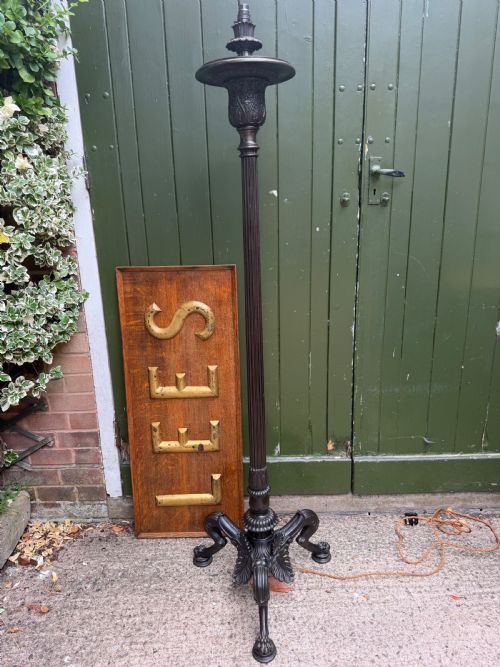
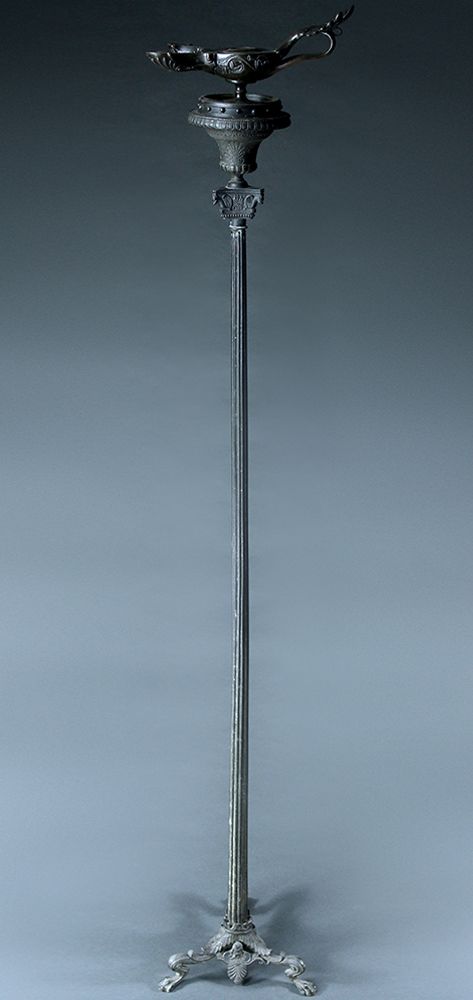
A neoclassical torchere stand is a tall, slender support designed for display, drawing heavily on the vocabulary of ancient Greece and Rome. These pieces serve as pedestals for lighting, sculpture, or decorative vessels, lifting objects of interest to eye level.
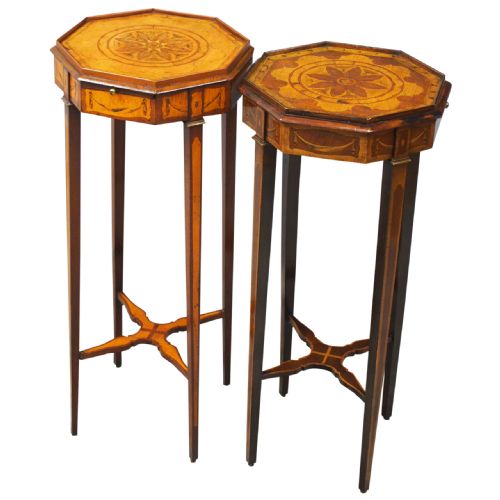
The versions most commonly met here date from the nineteenth century, including Regency and Victorian interpretations alongside later revivals. They appear in forms ranging from straightforward carved columns to elaborate tripod tables with marble tops.
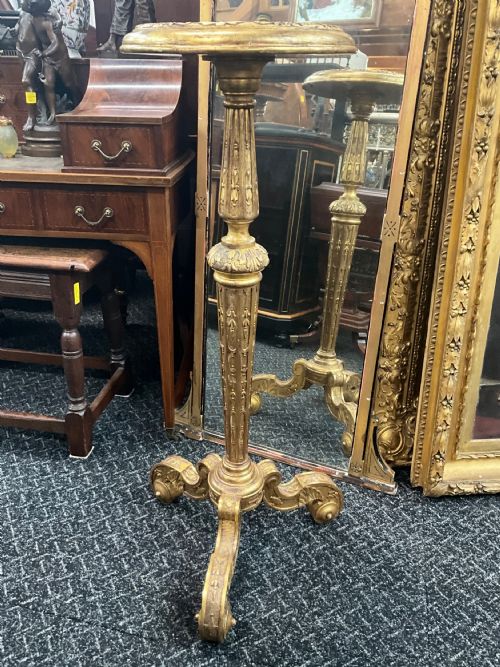
Makers drew on diverse domestic and continental traditions, producing tall stands from materials such as mahogany, giltwood, and bronze. Their profiles echo classical architecture, employing fluted shafts and decorative mounts to create a commanding vertical presence.
How they were made
Carpenters and joiners worked dense hardwoods like mahogany and burr elm, shaping them into turned columns and sturdy support structures. Where a lighter base material was used, artisans applied gesso to build up crisp decorative details before gilding.
Metalworkers cast bronze and brass components, often adding ormolu mounts or patinated finishes to mimic ancient metalwork. Marble tops and inserts were cut and polished to provide durable, cool surfaces that contrast with warm wood and gilt.
Neoclassical Torchere Stand Retail Price Guide 2026
Typical asking prices for neoclassical torchere stand among the pieces listed under this phrase on Sellingantiques today, from the lower quarter to the upper quarter. They describe what is for sale here now, not the wider market.
Materials recorded across the inventory include carved mahogany, giltwood, bronze, and Italian Carrara marble.
What varies in quality
The refinement of the carving dictates much of the visual success, separating pieces with sharp, undercut foliage from softer, cast ornament. Heavier timber selection and stable joinery ensure that tall, slender shafts remain upright and secure over time.
Gilding technique and bronze chasing reveal the hand of the workshop, with finer examples showing crisp detail and careful burnishing. The quality of inset marble, whether Carrara or a darker stone, adds weight and permanence to the finished stand.
Humphrey Hopper·Coutan
The Neoclassical Torchere Stand Glossary
- Torchere
- A tall stand originally intended to carry a torch or candle, later adapted for lamps and decorative objects. These slender pieces make efficient use of floor space while adding height to a room scheme.
- Ormolu
- Gilt bronze mounted onto furniture or decorative objects to provide decorative highlights. The technique involves applying a gold amalgam to bronze before heating to drive off the mercury.
- Gesso
- A plaster mixture spread over wood or canvas to prepare a smooth surface for painting or gilding. It allows craftsmen to model crisp relief decoration before applying gold leaf.
- Carrara marble
- A type of white or blue-grey marble quarried in the city of Carrara in Tuscany. It is prized for its fine, uniform grain and has long been used for classical sculpture and architectural surfaces.
Neoclassical Torchere Stand: Frequently Asked Questions
What is a neoclassical torchere stand used for?
These tall stands support lamps, heavy urns, or display pieces, raising them to create vertical focal points within a room. Their narrow footprints allow them to occupy corners or tight spaces without crowding the floor.
Historically, they held lighting devices to illuminate dark corners, but today they function primarily as decorative pedestals for sculpture or table lamps.
How do I spot a Regency torchere?
Regency stands often feature crisp architectural detailing, such as carved giltwood, reeded columns, and classical motifs reflecting early nineteenth-century tastes. They frequently employ tripod bases with bold animal-paw feet or classical supports.
Materials from this period lean towards finely carved mahogany, painted surfaces, and rich gilt finishes that mimic ancient metalwork.
Are marble top stands fragile?
The stone tops are heavy and solid, but they remain vulnerable to sharp impacts at the corners and edges if struck by heavy objects. The wooden or metal bases require standard care to maintain their structural stability and finish.
Placing these stands away from high-traffic pathways protects both the slender shafts and the heavy stone tops from accidental knocks.
Can these stands support heavy lamps?
Most of these tall supports are engineered with sturdy timber or cast metal bases designed to bear considerable weight without tipping. However, the balance depends heavily on the width of the base relative to the height of the shaft.
Heavier marble-topped variants offer excellent stability, while very slender tripod designs require careful placement to ensure they remain secure.