

Neoclassical Table Bronze
Neoclassical table bronze pieces bring classical proportion and refined metalwork into interiors, combining functional utility with antique design.
Neoclassical Table Bronze
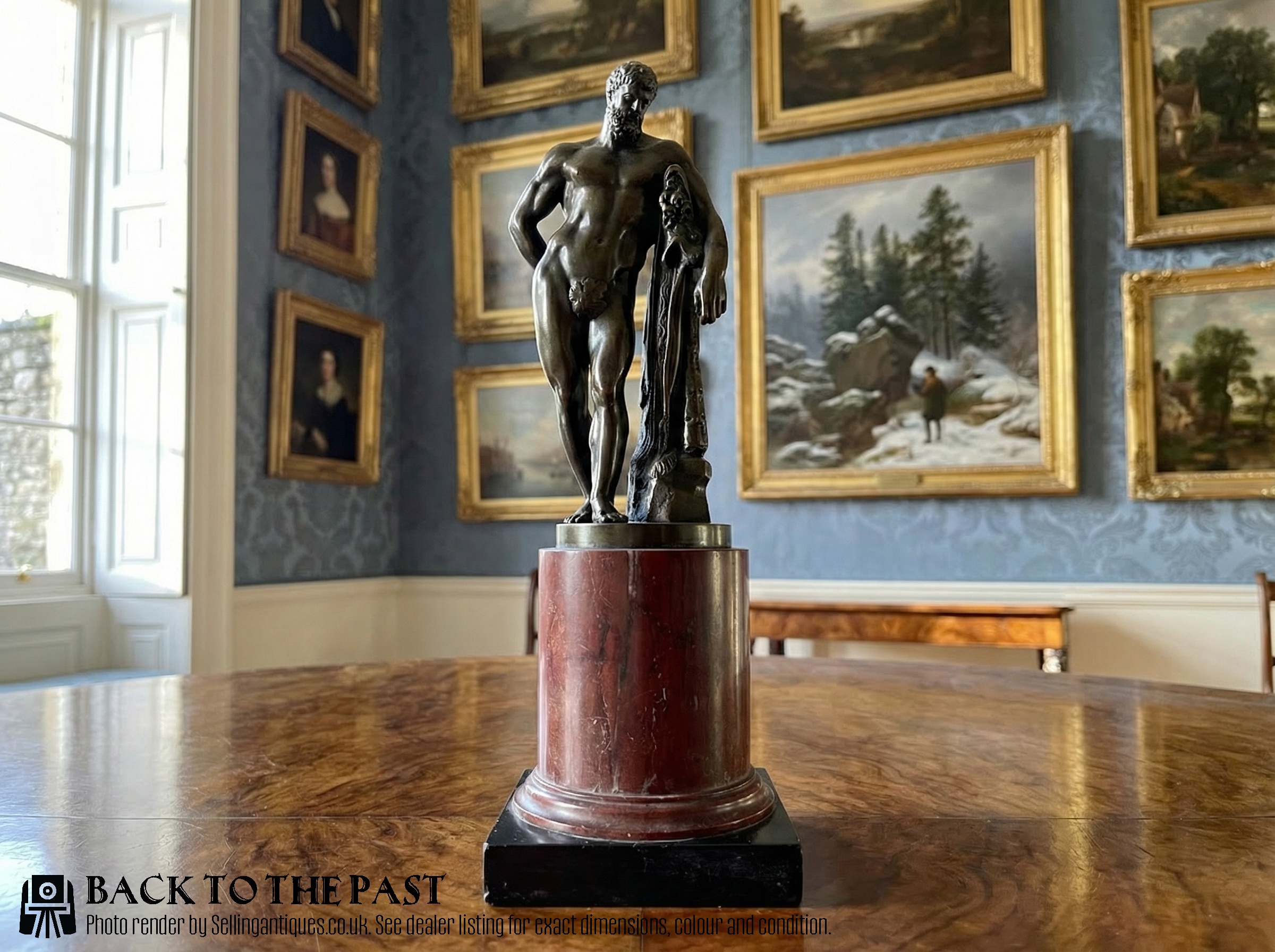
A neoclassical table bronze piece encompasses functional objects and decorative items designed for domestic surfaces, drawing on classical antiquity through the styles of the French Empire, Louis XVI, and Regency periods.
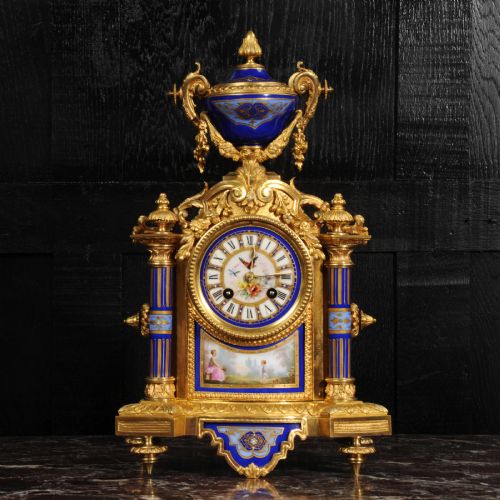
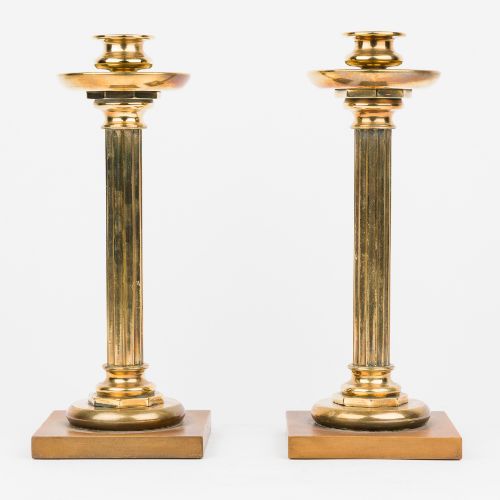
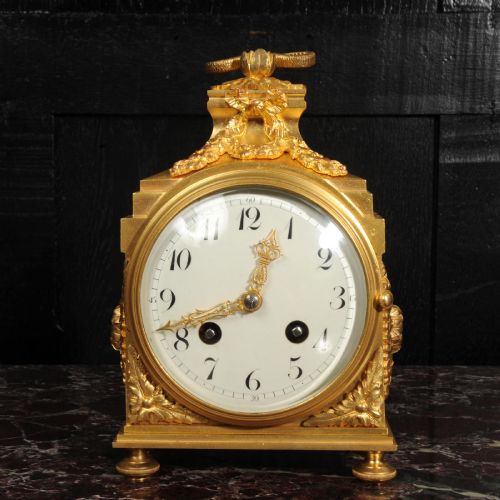
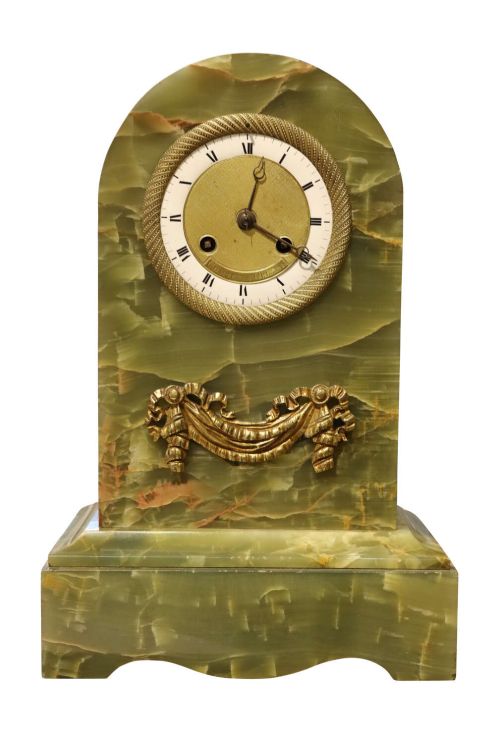
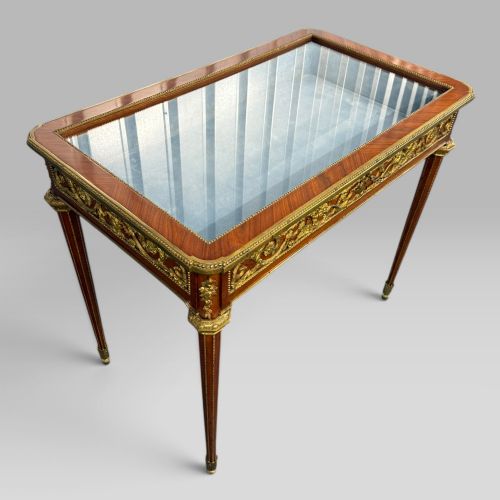
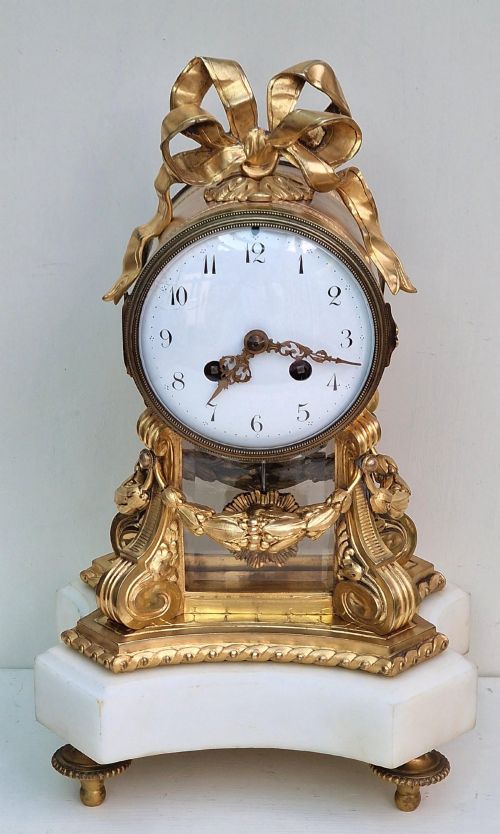
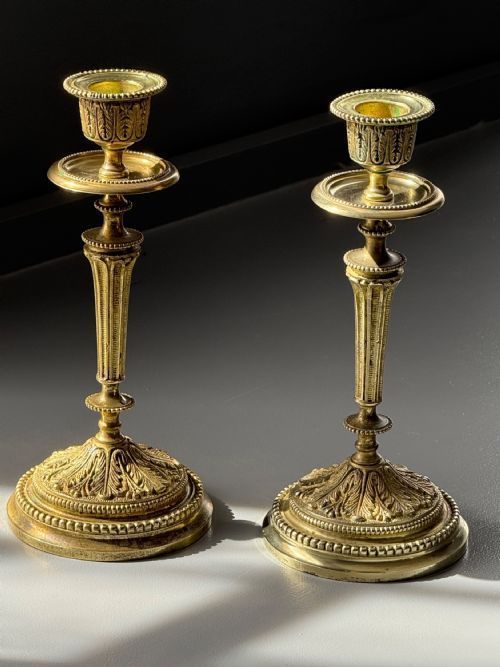
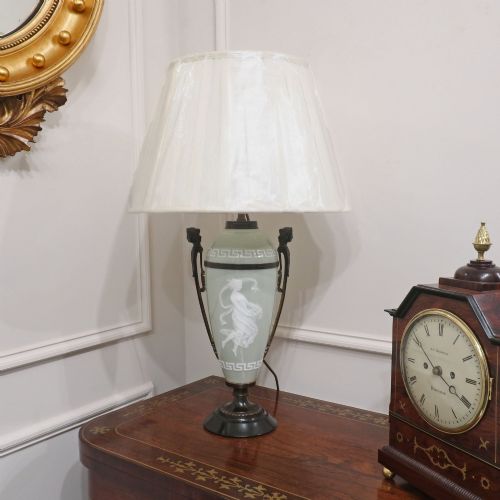
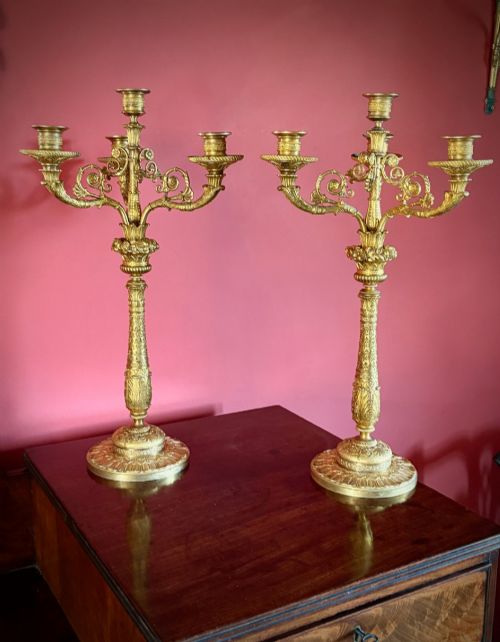
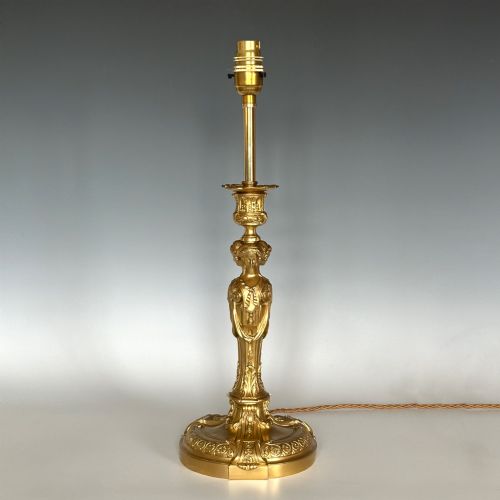
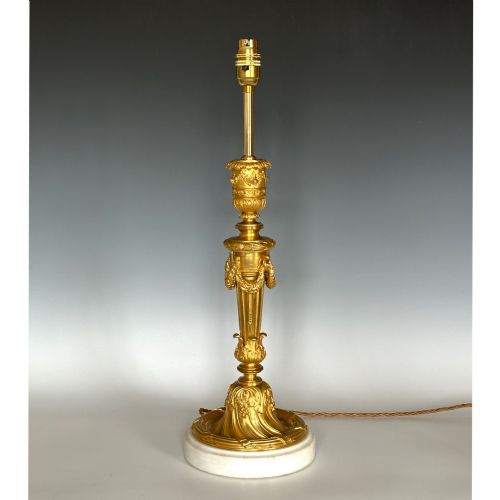
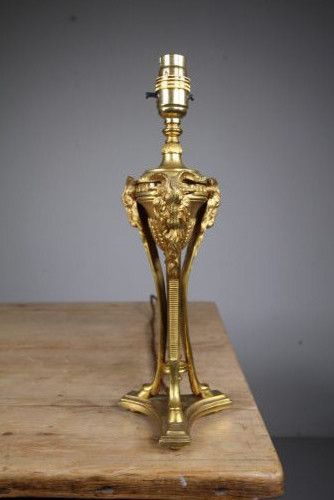
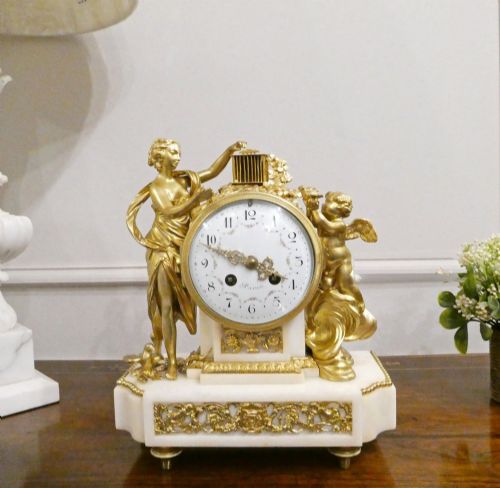
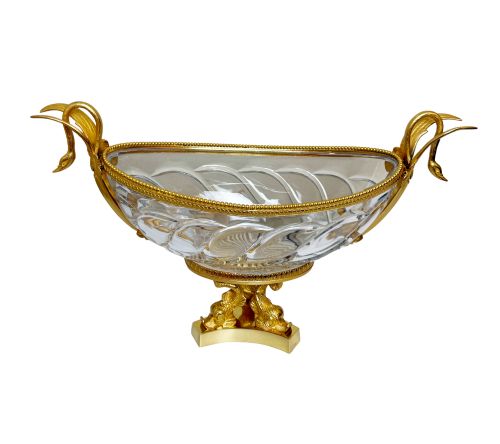
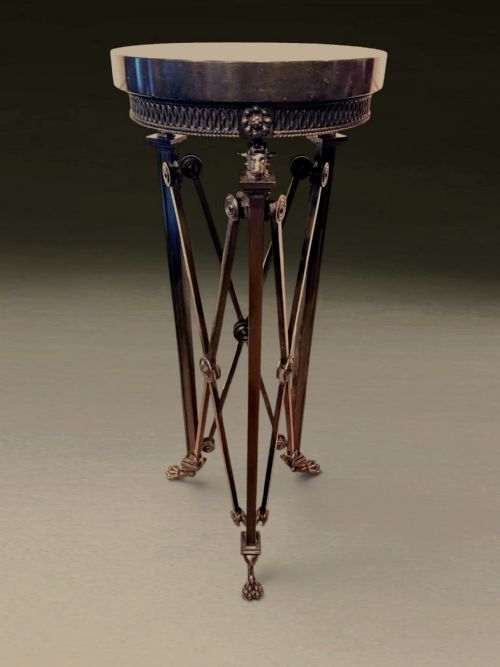
The selections on this page appear predominantly as mantel clocks, candlesticks, candelabra, and table lamps, alongside desks, centrepieces, and occasional tables mounted in metal.
Originating largely from nineteenth-century French workshops, these items integrate cast metal with contrasting materials such as marble, glass, and exotic timbers.
Materials and construction methods
Maker workshops utilised cast bronze and ormolu, applying mercury gilding or modern electroplating to achieve a durable golden finish on the metal components.
Natural stones including white marble, green onyx, and rouge marble provide heavy, stable bases and tabletops that anchor the lighter bronze mounts.
Wood elements such as mahogany, amboyna, and walnut receive fine marquetry and parquetry inlay, fitted with cast ormolu bezels, feet, and capitals.
Listings feature items spanning from the late eighteenth century through the Art Deco period, uniting classical French forms with diverse regional European revivals.
Distinctions in craftsmanship
Superior examples display crisp, hand-chased detail in the bronze casting, where fur, drapery, and acanthus leaves retain sharp edges rather than a softened profile.
The integration between metal mounts and the underlying marble or timber demonstrates the maker's precision, relying on bespoke fit rather than generic hardware.
Signed works by established makers or precision movement makers indicate an elevated standard of production compared to anonymous commercial output.
Charles à Orléans·François Linke·Dugourc·Reiche·Maison Jansen·Le Roy Paris·Canaillor of Paris
The Neoclassical Table Bronze Glossary
- Ormolu
- Gilded bronze produced by applying a mixture of gold amalgam to a bronze base and heating it. This technique creates a durable, golden surface characteristic of fine French decorative arts.
- Cassolette
- A decorative vessel shaped like an urn, often reversible to function as a candlestick or perfume burner. These objects frequently incorporate marble and gilt bronze mounts.
- Bouillotte table
- A small, round occasional table with a raised gallery edge, traditionally used for card games. They often feature marble tops surrounded by an ormolu gallery.
- Bureau plat
- A flat-topped writing desk freestanding in a room, usually featuring leather inserts and extensive metal mounts. These desks represent the height of neoclassical workspace design.
- Guéridon
- A small round table supported by a central pillar or multiple legs, often topped with marble. They serve as display surfaces for lamps and decorative bronzes.
Neoclassical Table Bronze: Frequently Asked Questions
How do I date a bronze mantel clock?
Dating relies on examining the movement maker's stamp, the style of the dial, and the casting techniques used on the bronze and ormolu mounts. Earlier pieces often feature hand-engraved backplates and mercurial gilding.
Stylistic cues such as Empire motifs or Louis XVI Revival details help narrow the decade of manufacture when combined with physical inspection of the chassis.
Are these lamps originally electrified?
Most antique lamps originate as candlesticks, oil lamps, or vases that have been subsequently adapted for modern electrical wiring. Professional conversion generally preserves the antique metal body without permanent damage.
Inspectors look for discreet wiring paths that avoid drilling through maker's signatures or primary structural bronze elements.
How should I clean ormolu mounts?
Maintenance requires only gentle dusting with a soft, dry brush to prevent dirt accumulation in the recessed chasings. Avoid harsh metal polishes, which strip away the original mercury gilding or lacquer.
Professional conservation is recommended for pieces showing verdigris or heavy tarnishing to protect the underlying bronze surface.
What defines the French Empire style?
The French Empire style draws heavy visual inspiration from ancient Roman, Greek, and Egyptian military and architectural motifs. Expect to see sphinxes, laurel wreaths, swans, and columns executed in dark patinated bronze and bright ormolu.
This aesthetic conveys symmetry, grandeur, and structural weight, contrasting sharply with the earlier flowing curves of the Rococo period.