


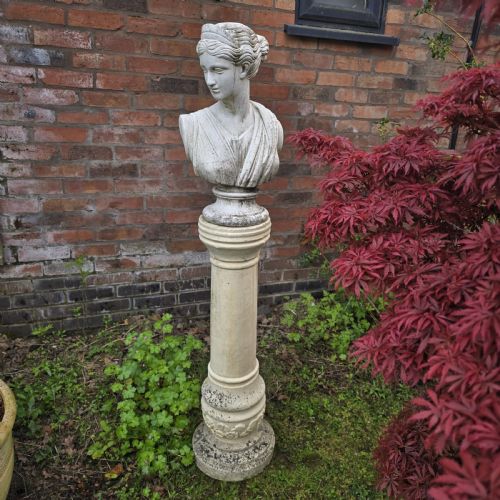
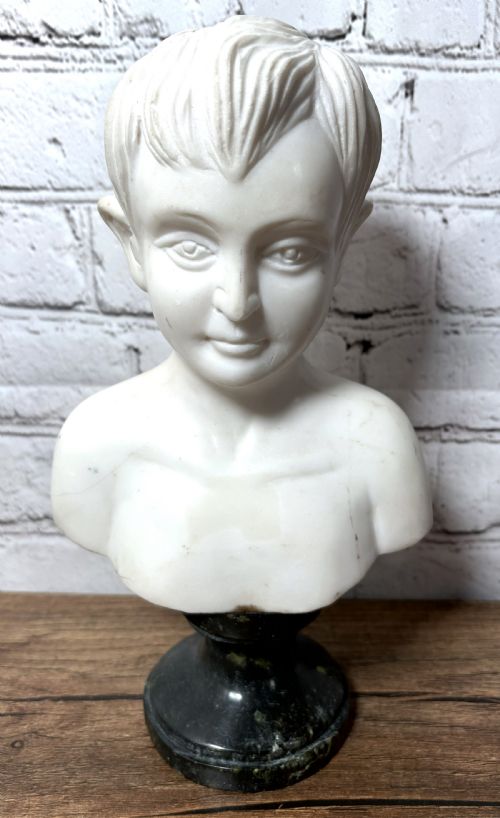


Neoclassical Stone Bust Sculpture
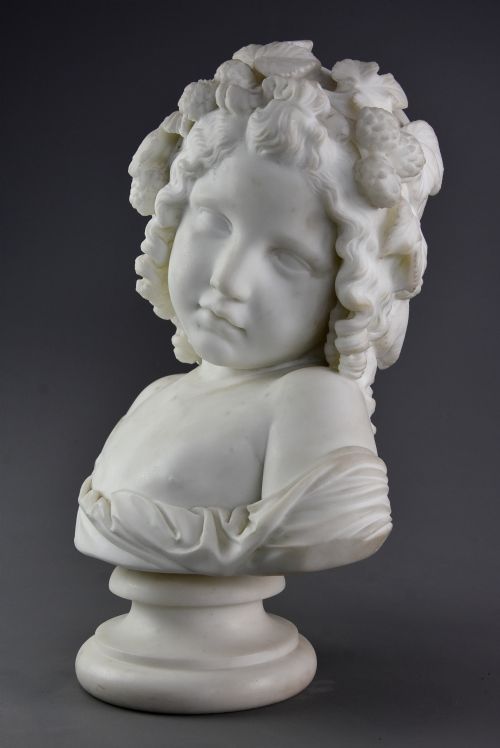
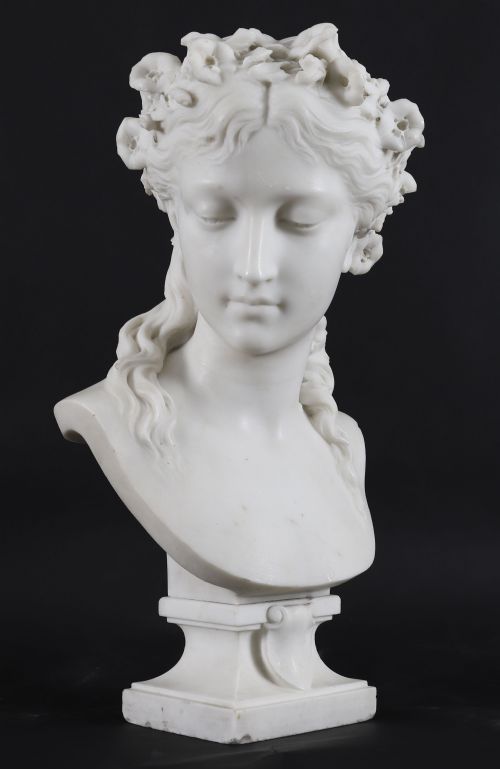
A neoclassical stone bust sculpture brings classical antiquity into a room, rendered in carved marble, alabaster or stone.
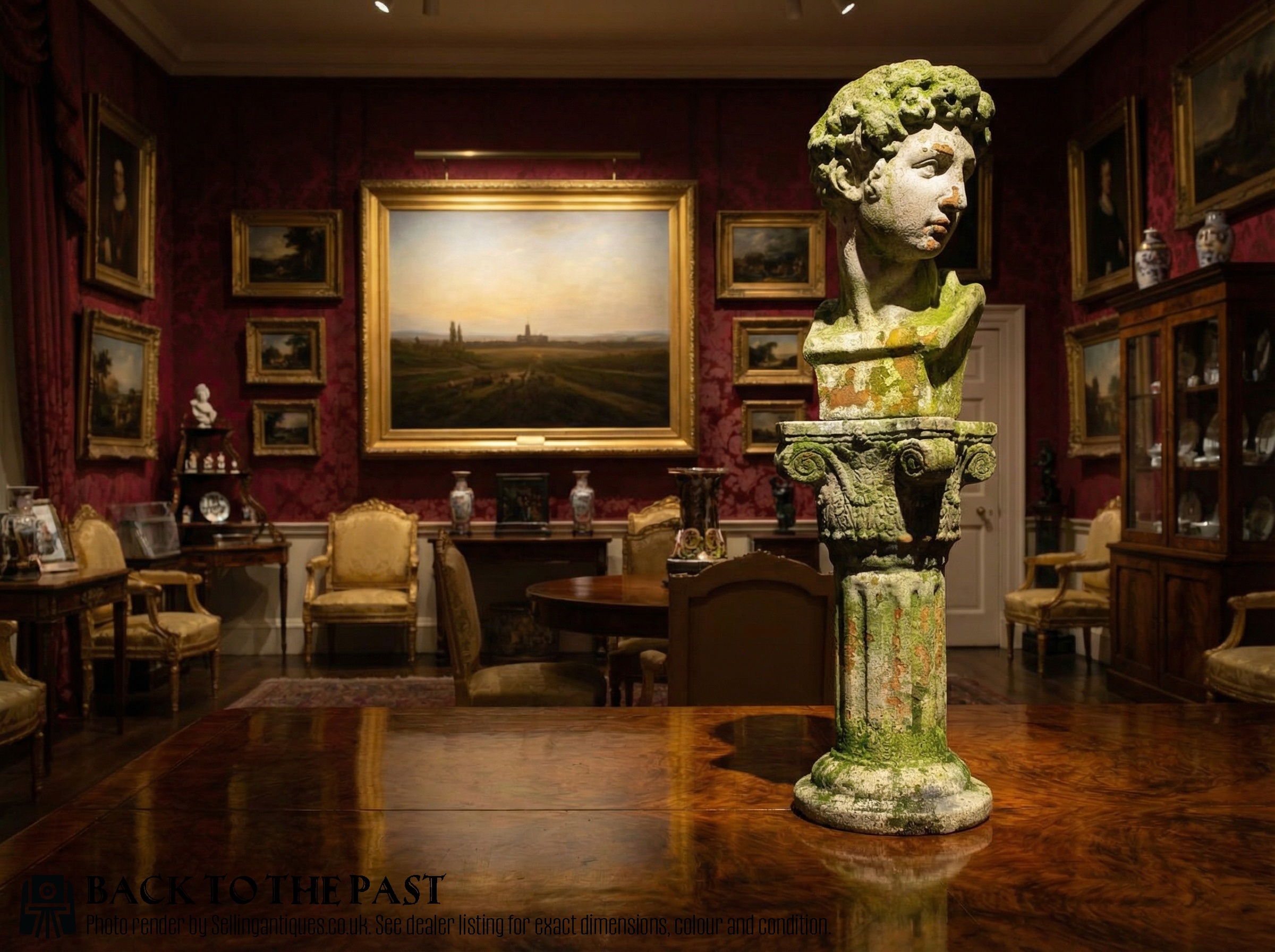
Neoclassical Stone Bust Sculpture
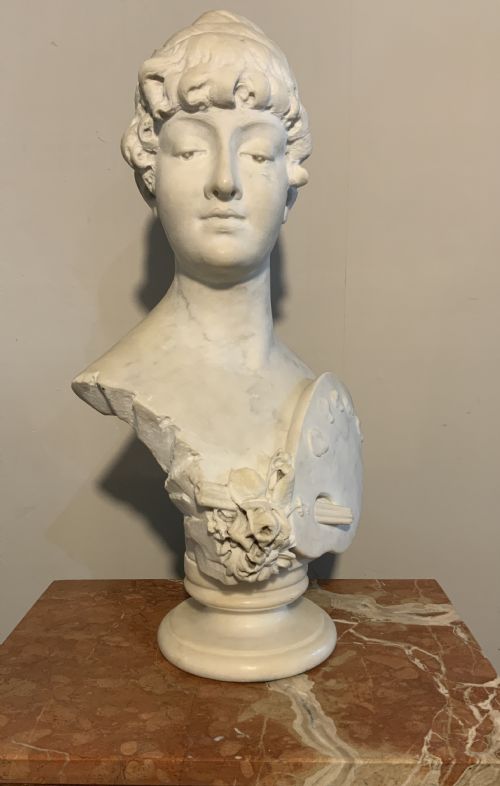
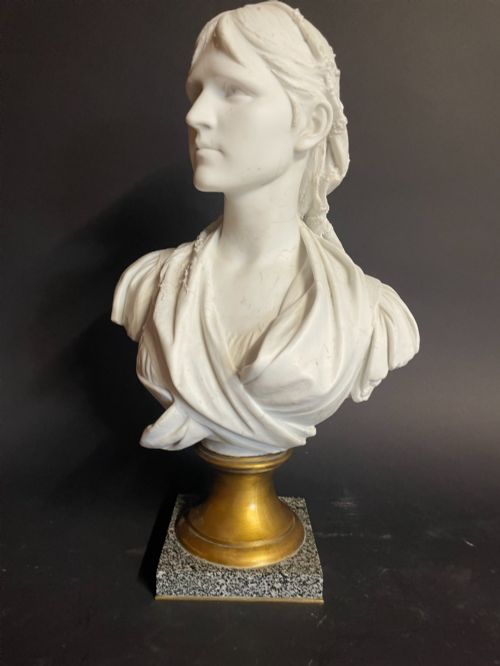
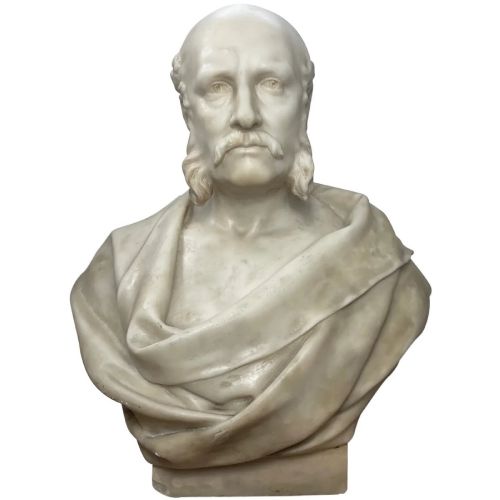
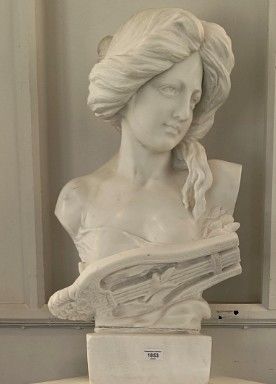
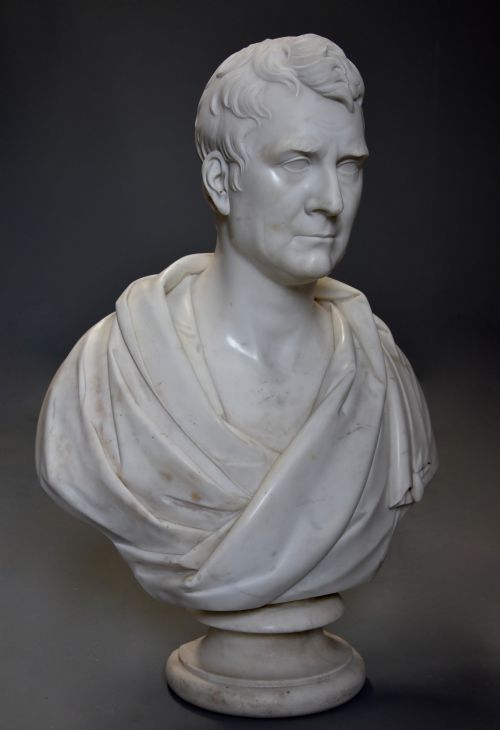
When searching for a neoclassical stone bust sculpture, a buyer encounters carved portraits of Roman emperors, Greek deities, mythological figures and notable historical personages. These pieces range from monumental library carvings to garden statuary on pedestals.
The selections on this page are dominated by nineteenth-century works, including Italian Grand Tour pieces, alongside twentieth-century revivals in cast stone and plaster.
Subjects stretch from classical muses like Erato to Roman figures such as Augustus and Julius Caesar, often echoing antique models or produced in nineteenth-century Italian workshops.
Materials and carving methods
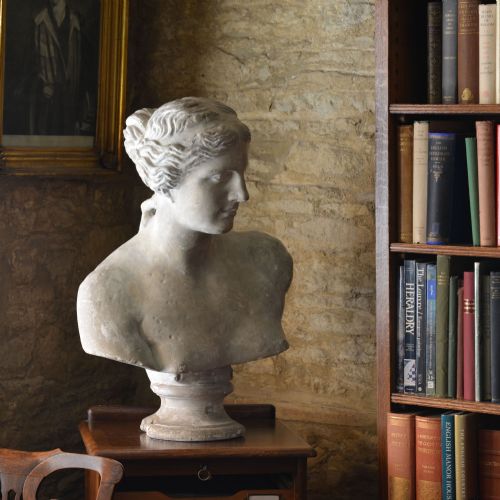
Some examples combine white marble with mixed stones or incorporate scagliola for pedestals, while others employ cast stone, reconstituted stone or plaster for garden and interior display.
Several gentlemen and emperors watch the room closely from their stone pedestals, having travelled home via nineteenth-century Grand Tour itineraries.
Factors of sculptural quality
Quality rests upon the sensitivity of the carving, visible in the treatment of hair, the fall of fabric and the subtle modelling of bone structure in the marble or stone.
Signed works by recorded sculptors or those demonstrating meticulous attention to classical proportion carry greater distinction than standard library or decorative copies.
Houdon·Eugene Aizelin·J Francis·R. Mattei·Joseph Gott
The Neoclassical Stone Bust Sculpture Glossary
- Carrara marble
- A type of white or blue-grey marble quarried in the city of Carrara in Tuscany, widely favoured by European sculptors for its fine grain.
- Alabaster
- A fine-grained mineral stone, soft enough to carve easily, yielding a translucent surface often utilised for nineteenth-century female figures.
- Grand Tour
- A cultural journey of Europe undertaken by wealthy young men in the eighteenth and nineteenth centuries, bringing home classical sculpture and busts.
- Plinth
- A heavy base supporting a statue, bust or column, frequently carved from matching marble or stone.
- Scagliola
- A composite material made from pigmented selenite, glue and plaster, applied to mimic the appearance of inlaid marble on pedestals and columns.
Neoclassical Stone Bust Sculpture: Frequently Asked Questions
How do I display a marble bust?
These sculptures suit placement on sturdy library tables, mantelpieces or dedicated pedestals and columns to raise them to eye level.
Ensure the supporting surface bears the considerable weight of solid marble or stone without risk of tipping.
Were these carved in antiquity?
Most examples originate from the nineteenth century, drawing inspiration from Greek and Roman antiquity rather than dating to the classical period itself.
Nineteenth-century carvers frequently reinterpreted ancient portraits or produced Grand Tour souvenirs for European travellers.
How do I identify the subject?
Subjects often bear inscribed names on their plinths or feature distinct attributes, such as the laurel wreath of Caesar or the hunting motifs of Diana.
Stylistic cues and historical dress help distinguish Roman emperors from mythological figures and nineteenth-century public gentlemen.
Can these go in the garden?
Pieces designated as garden statuary or cast stone are intended for outdoor display, where weathering patinates the surface over time.
Fine Carrara marble and delicate alabaster busts require indoor environments protected from frost and moisture.