



Classical Sculpture with Plinth
These pieces of classical sculpture with plinth bring antiquity straight into the room, combining figured marble, bronze and stone with matched pedestals.
Classical Sculpture with Plinth
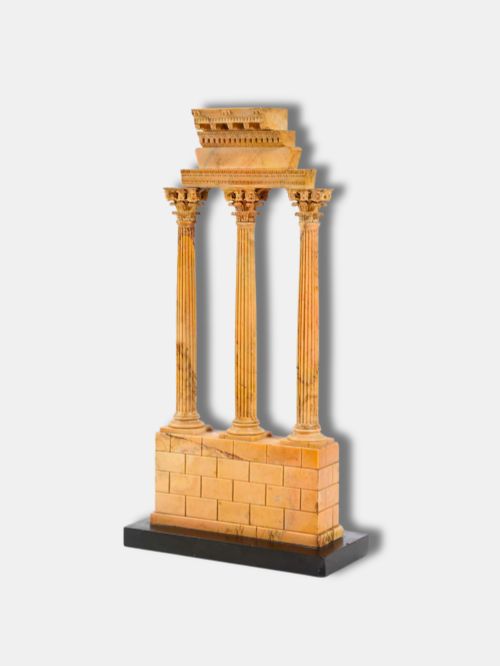
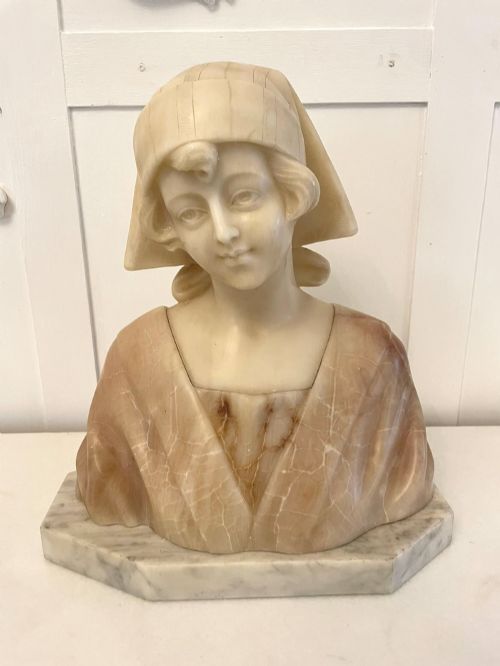
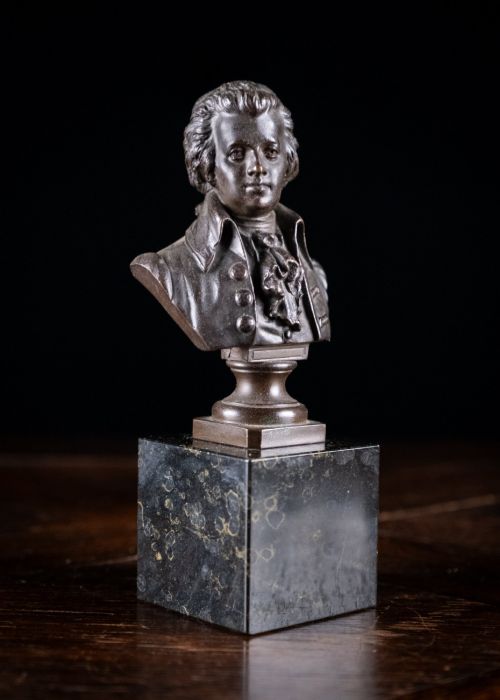
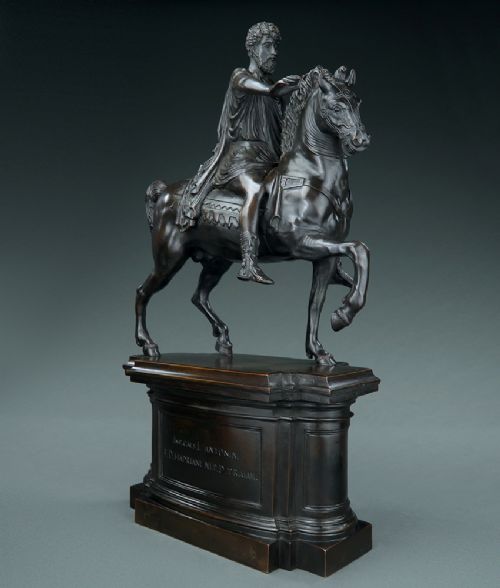
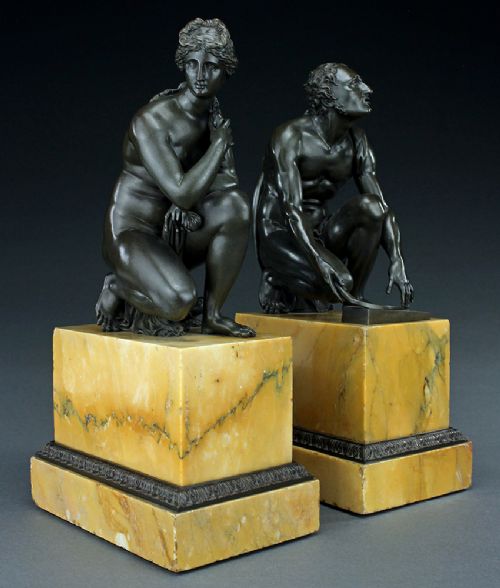
When you search for classical sculpture with plinth, you are looking at figurative works, garden statuary and architectural supports spanning the nineteenth century up to nineteen fifty. The selection ranges from grand tour souvenirs in bronze and white marble to substantial garden statues on stone pedestals.
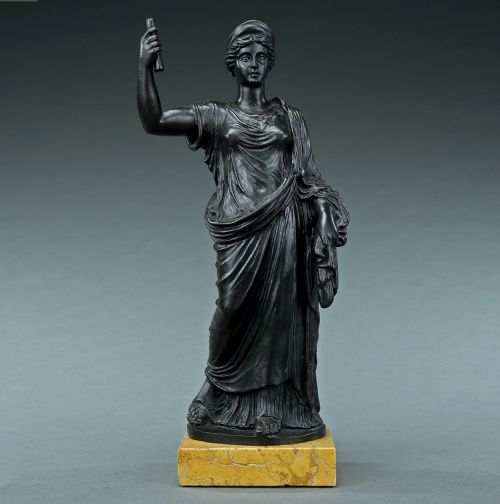
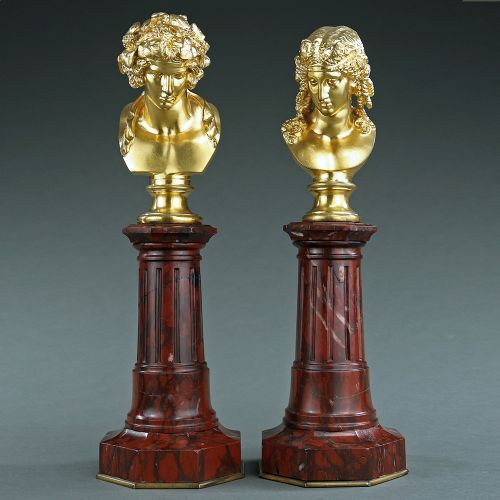
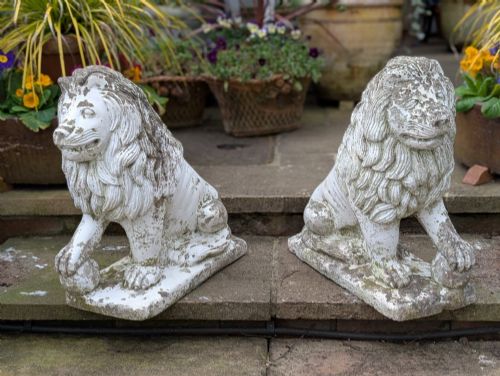
You are most likely to meet nineteenth century bronzes and marble-mounted figures alongside garden statuary and pedestals in cast stone or reconstituted stone. These pieces bring together sculptural forms like lions, goddesses and maidens with columns, plinths and urn stands.
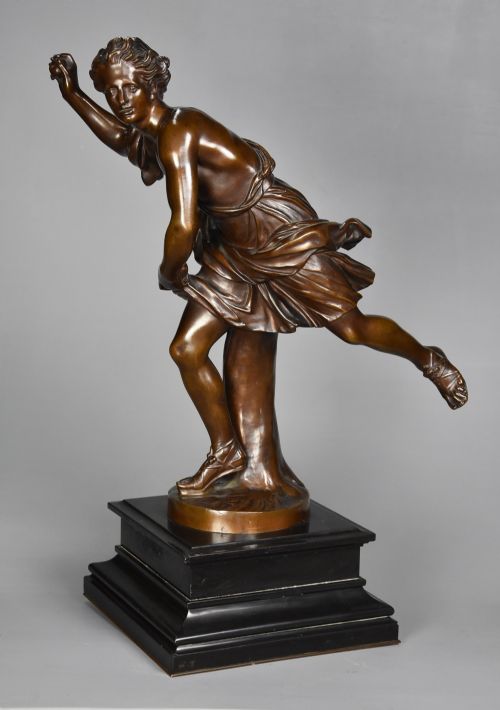
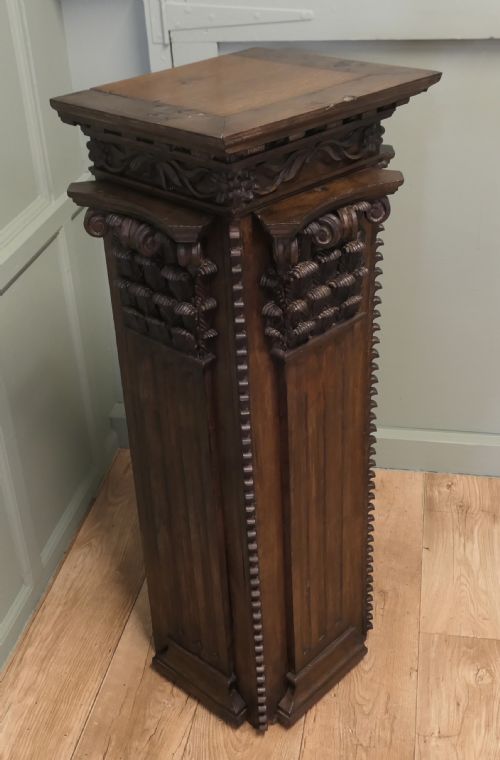
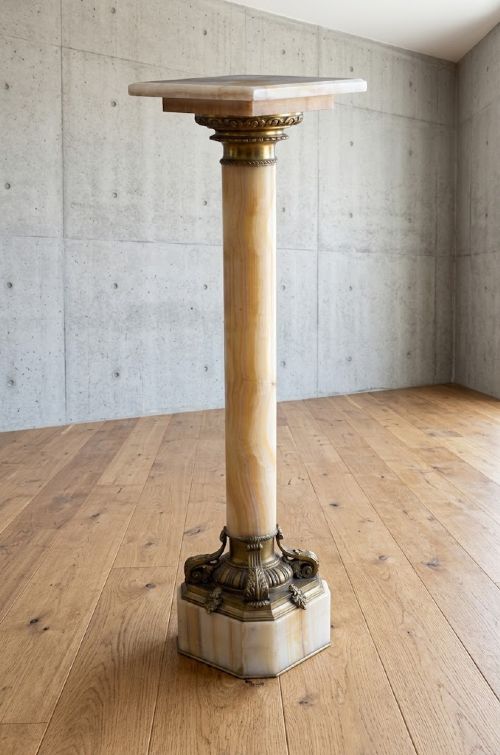
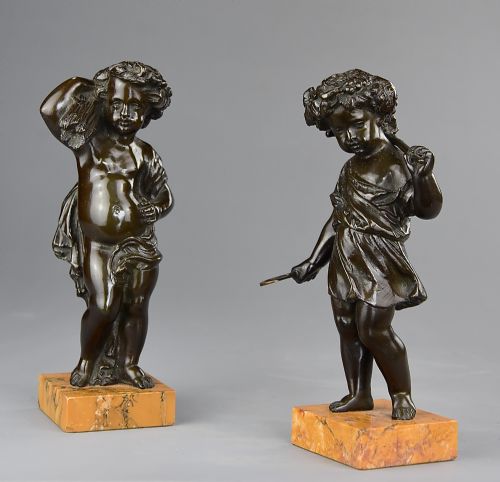
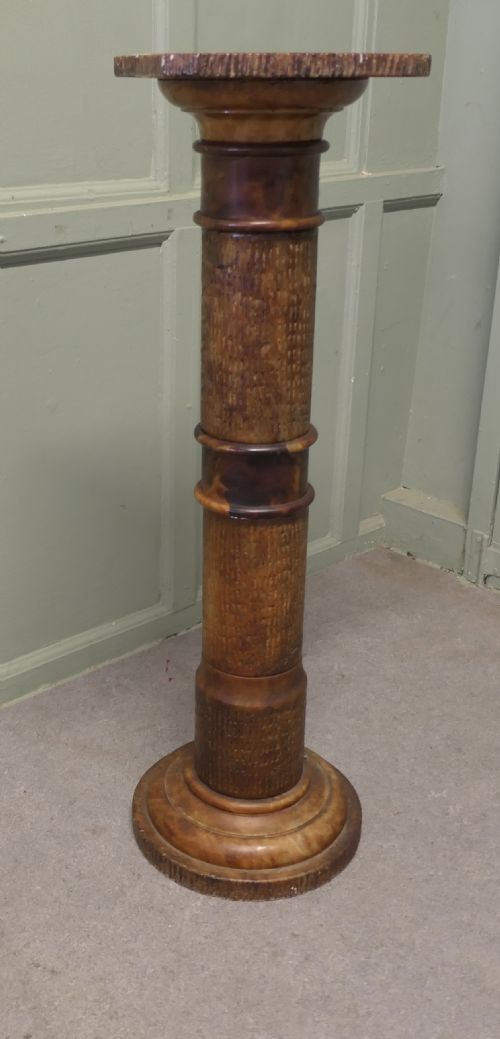
The offerings include French patinated bronze figures, Egyptian revival subjects and carved wood pedestals with secret compartments. Many pairs appear alongside single monumental statues and column bases fitted with ormolu collars.
What Varies In Quality
The choice of materials shapes the character of the piece, from white marble and patinated bronze to heavy cast stone and carved wood. Ormolu mounts and polished onyx add a distinct layer of finish to nineteenth century examples.
Classical Sculpture with Plinth Retail Price Guide 2026
Typical asking prices for classical sculpture with plinth among the pieces listed under this phrase on Sellingantiques today, from the lower quarter to the upper quarter. They describe what is for sale here now, not the wider market.
Materials span bronze, marble, reconstituted stone, ormolu, onyx and ebonised wood.
The Classical Sculpture with Plinth Glossary
- Ormolu
- Gilded bronze used for decorative mounts and collars on furniture and sculpture bases. It provides a bright metallic contrast to dark bronze or polished marble.
- Grand Tour
- A nineteenth century travel tradition producing portable bronze and marble souvenirs of ancient statues. These studies allowed travellers to bring classical art back home.
- Patinated bronze
- Bronze treated with chemicals to alter the surface colour, ranging from dark brown to green tones. This finish protects the metal and highlights sculptural detail.
- Caryatid
- A carved architectural figure acting as a support in place of a column or pier. They appear in pairs supporting lintels, entablatures or display surfaces.
- Reconstituted stone
- A durable material made from crushed stone and binders, moulded into garden statuary and pedestals. It offers the appearance of natural stone for outdoor display.
Classical Sculpture with Plinth: Frequently Asked Questions
What is a grand tour sculpture?
Grand tour pieces are smaller bronze and marble studies produced in the nineteenth century for travellers visiting classical sites in Italy.
They capture famous ancient monuments and sculptures in a portable format for display on marble plinths and desks.
How do I place a garden statue on a pedestal?
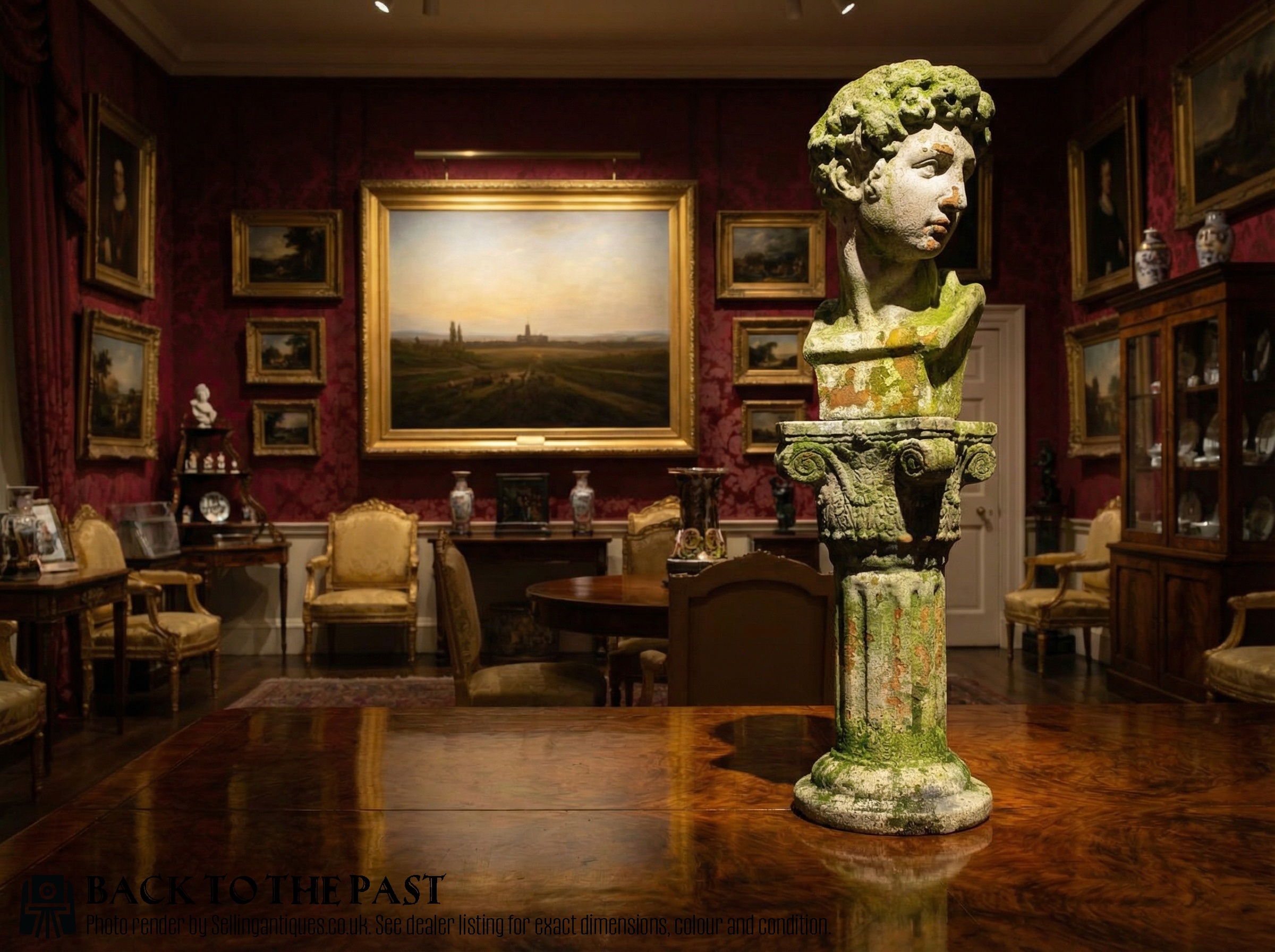
Garden statues and busts sit upon stone pedestals, columns and plinths to elevate the work above ground level.
Heavier cast stone and reconstituted stone pieces are suited for outdoor placement in gardens and courtyards.
What materials are used for nineteenth century pedestals?
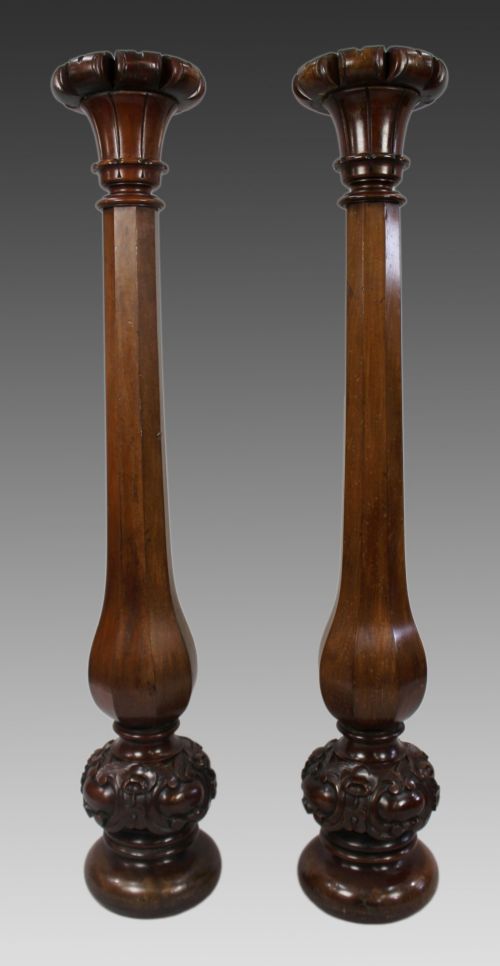
Nineteenth century pedestals utilise marble, onyx, ebonised wood and carved wood, frequently accented with ormolu collars and mounts.
These columns and stands serve as architectural bases for busts, urns and figures.
Are these sculptures solid bronze?
Many figurative works are cast in bronze or patinated bronze, often mounted upon distinct marble plinth bases.
Some pieces incorporate mixed media, pairing metal figures with stone stands or ormolu details.