




Classical Stone Head Sculpture
A classical stone head sculpture brings the gravity of antiquity and portraiture into a room.
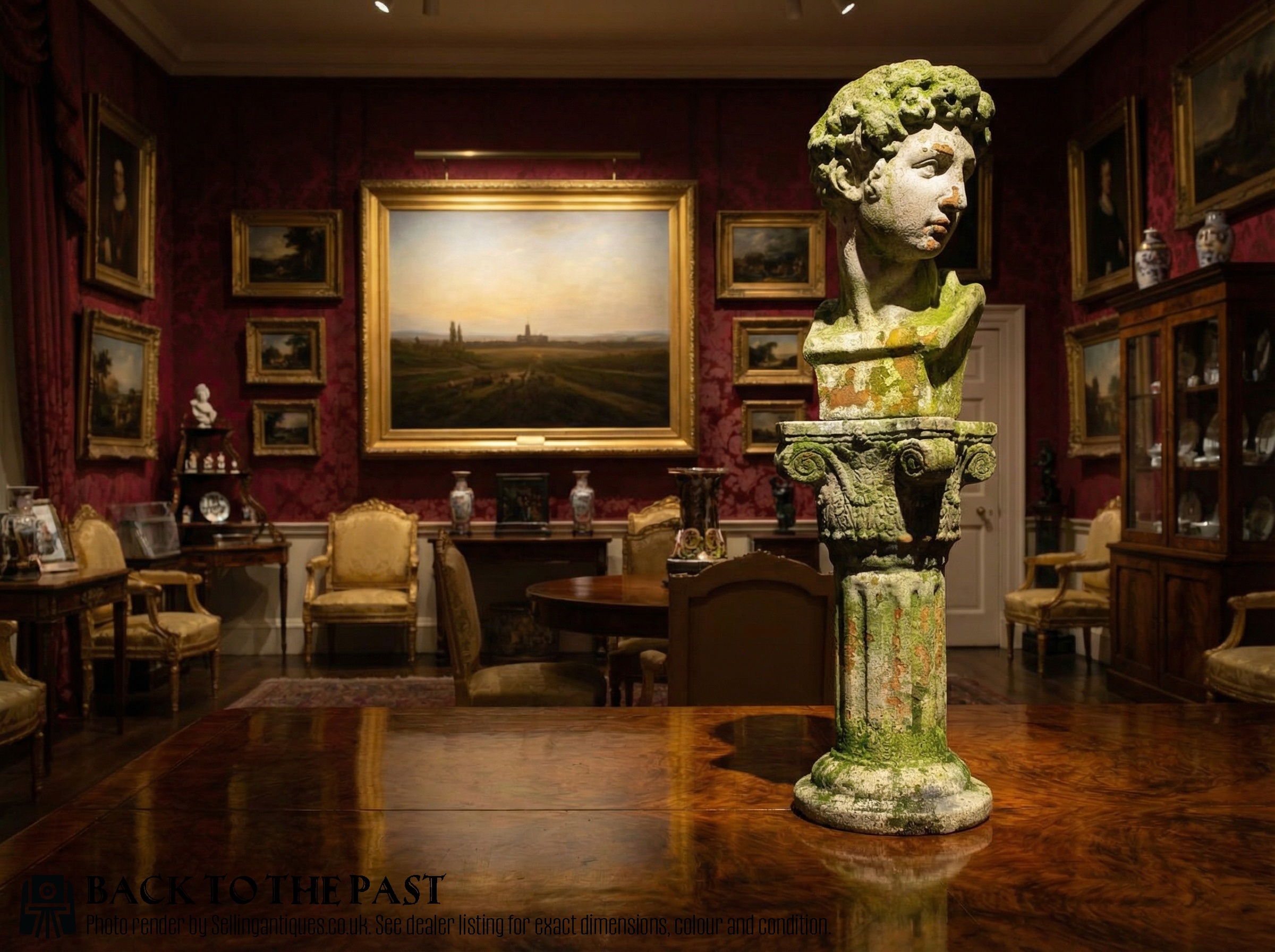
Classical Stone Head Sculpture
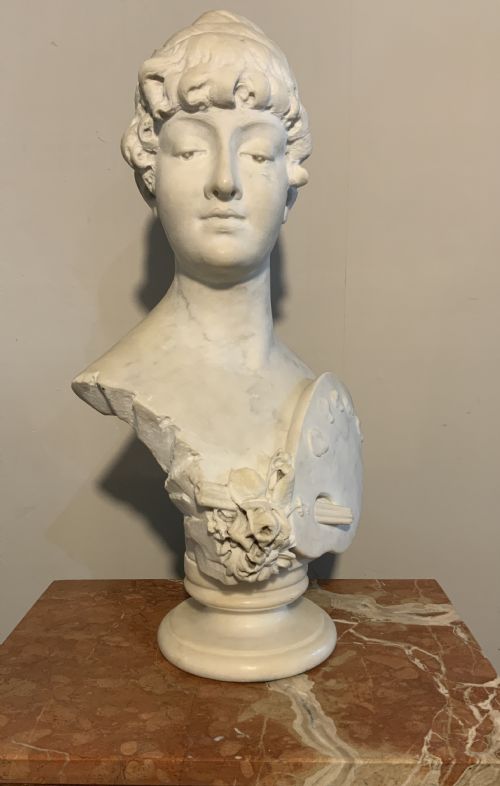
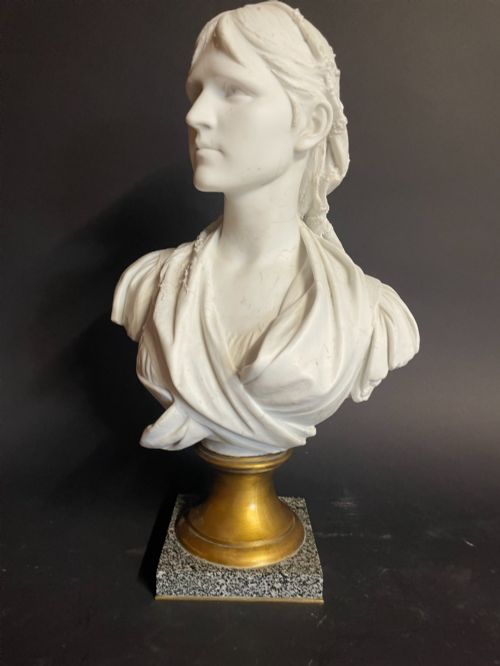
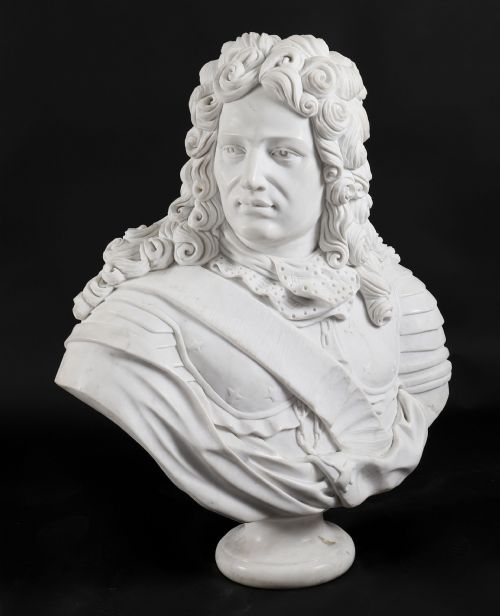
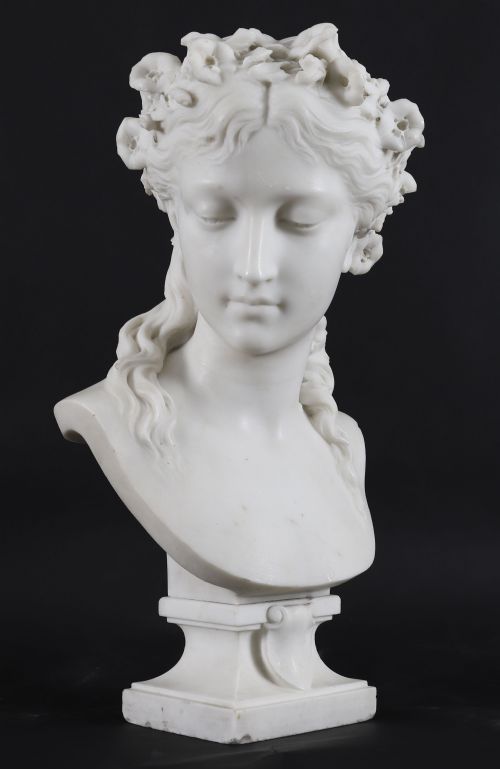
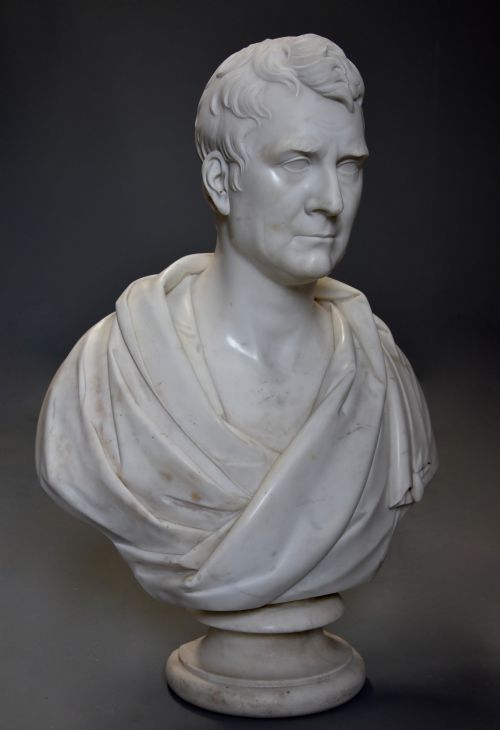
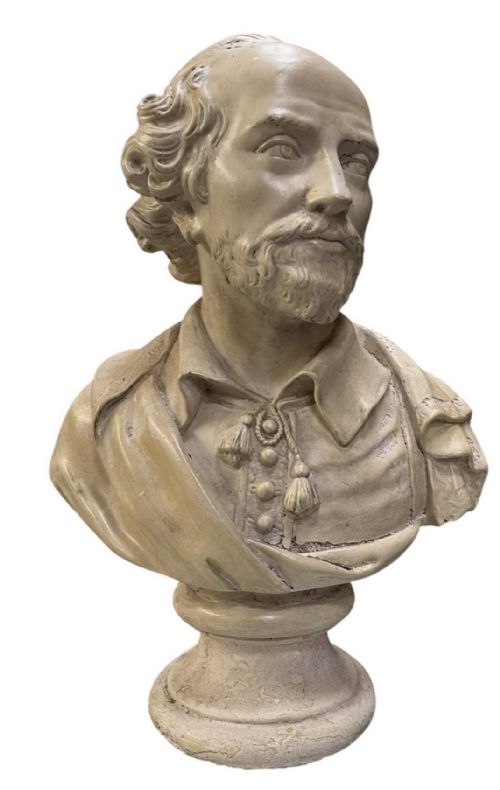
When you search for a classical stone head sculpture, you encounter carved likenesses ranging from mythological figures and Roman emperors to named historical figures and anonymous gentlemen. These pieces span portrait busts, library busts, relief sculptures, and garden statuary.
The nineteenth century dominates the available forms, reflecting a deep Victorian enthusiasm for classical revival and neoclassical subjects. You will frequently meet Italian and French interpretations of antiquity, often rendered in brilliant white marble or softly patinated stone.
Materials and carving techniques
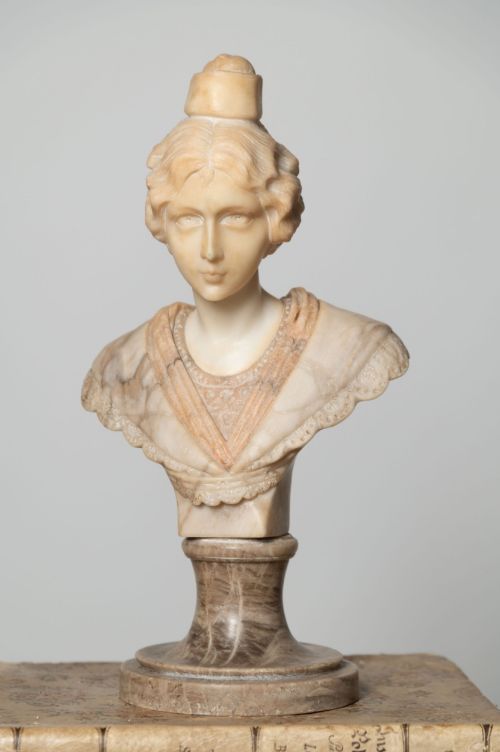
Makers shaped these works primarily from white marble, Carrara marble, alabaster, and various forms of stone. Sculptors carved these dense materials by hand, utilising chisels, rasps, and drills to render the fine curls of hair, drapery folds, and facial expressions.
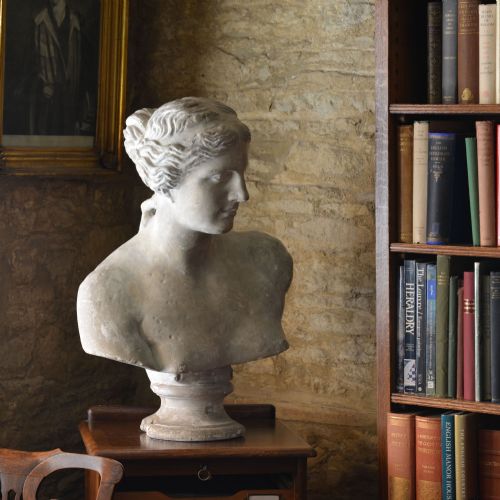
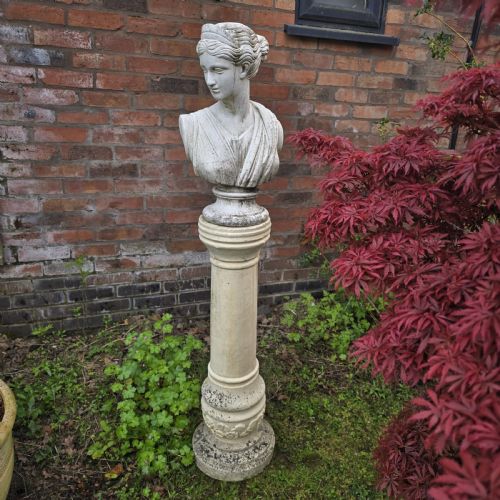
Plaster also appears frequently as a medium, allowing artists to cast detailed portraiture and classical figures such as the Venus de Milo. Reconstituted stone and cast stone emerge in larger garden statuary and plinth-mounted pieces intended for outdoor display.
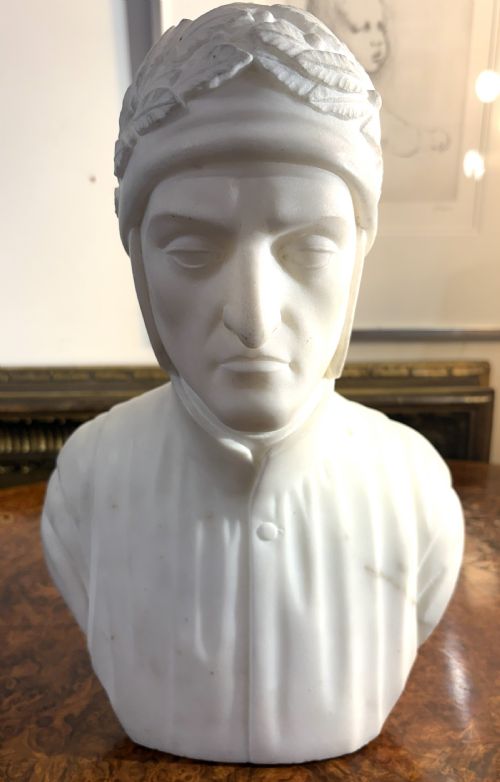
Dante Alighieri keeps a watchful, permanent eye over nineteenth-century libraries.
Distinctions in quality and execution
The fidelity of the carving separates standard workshop production from exceptional masterworks. Superior pieces demonstrate a confident handling of musculature, expression, and the subtle textures of skin versus cloth.
Signed works and those attributed to known sculptors command greater attention because the hand of the artist is verified. The choice of material further dictates quality, with flawless Carrara marble and translucent alabaster representing the height of the medium.
Eugene Aizelin·Raffaelo Monti·John Wenlock Rollins·Mieczyslaw Leon Zawiejski·Auguste Moreau
The Classical Stone Head Sculpture Glossary
- Carrara marble
- A fine-grained white or blue-grey marble quarried in the city of Carrara in Tuscany, Italy. It served as the preferred material for many European sculptors.
- Library bust
- A smaller scale portrait sculpture designed to sit upon a bookshelf or library mantelpiece. These pieces typically focus on philosophers, poets, and historical figures.
- Relief sculpture
- A sculptural technique where the figures remain attached to a solid background of the same material. Heads and shoulders carved in this manner often project only slightly from the flat plane.
- Plinth
- A heavy base or pedestal supporting a statue or bust. Many stone garden pieces and interior busts rest upon these structural mounts.
- Neoclassical
- A Western cultural movement drawing inspiration from the art and culture of classical antiquity. This style heavily influenced nineteenth-century sculptors.
Classical Stone Head Sculpture: Frequently Asked Questions
What periods do these sculptures date from?
The pieces span multiple centuries, with the seventeenth, eighteenth, nineteenth, and early twentieth centuries all represented in the evidence. Victorian and neoclassical revivals from the 1800s appear most frequently.
Dates range from seventeenth-century fragments to twentieth-century garden statuary, reflecting centuries of continuous homage to classical antiquity.
Where should I display a marble bust?
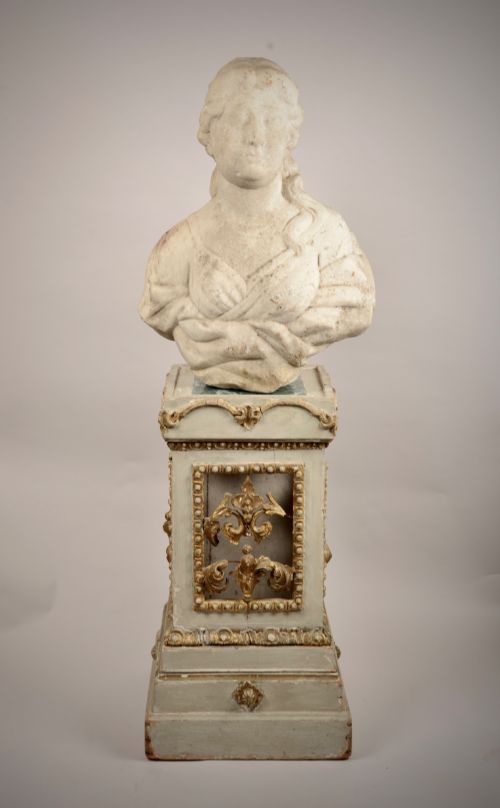
Interior library busts and smaller alabaster pieces sit well on sturdy mantelpieces, bookshelves, or dedicated wooden pedestals. Their weight demands stable, level surfaces.
Larger stone pieces and cast items with weather-resistant finishes are suited for garden settings, patios, and stone pedestals outdoors.
How do I identify a portrait bust?
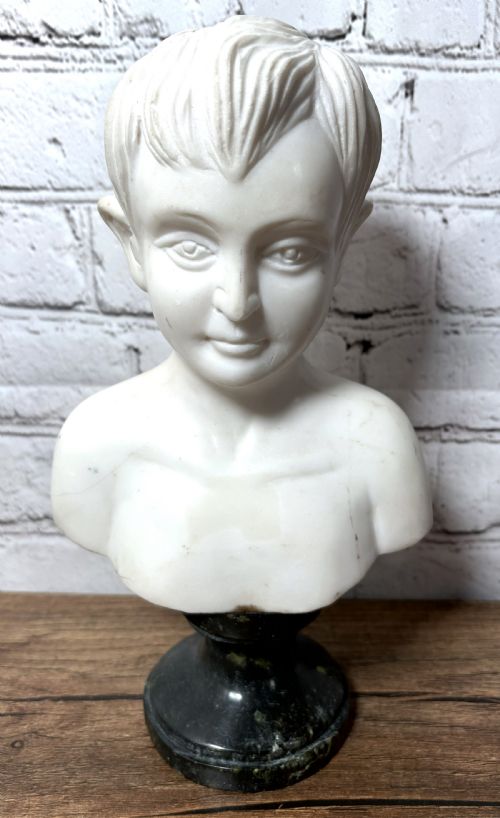
Portrait busts depict specific real individuals, ranging from Roman emperors and philosophers to nineteenth-century gentlemen, women, and children. Inscriptions, signatures, or historical records often confirm their identity.
In contrast, figures like Venus, Athena, or Juno represent mythological subjects rather than historical portraits.
What is the difference between marble and alabaster?
Marble is a metamorphic rock formed from recrystallised carbonate minerals, prized for its durability and bright white crystalline appearance. Alabaster is a softer, finer-grained mineral stone known for a warm, slightly translucent quality.
Alabaster pieces often exhibit a softer glow when lit, while marble maintains a crisp, dense finish suited to sharp detail.