


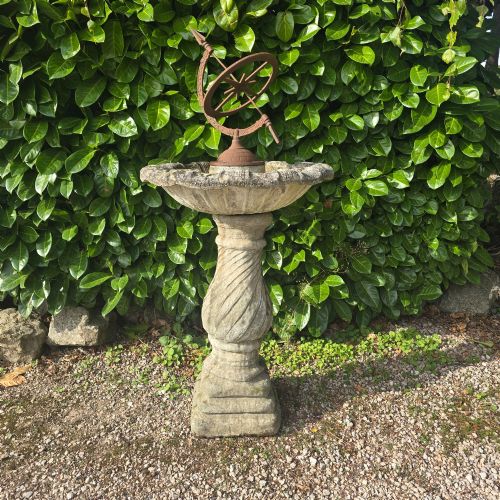
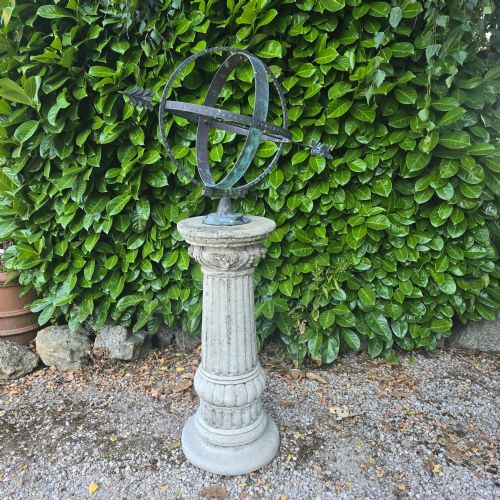
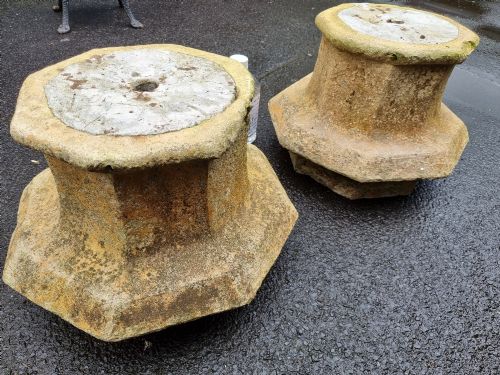

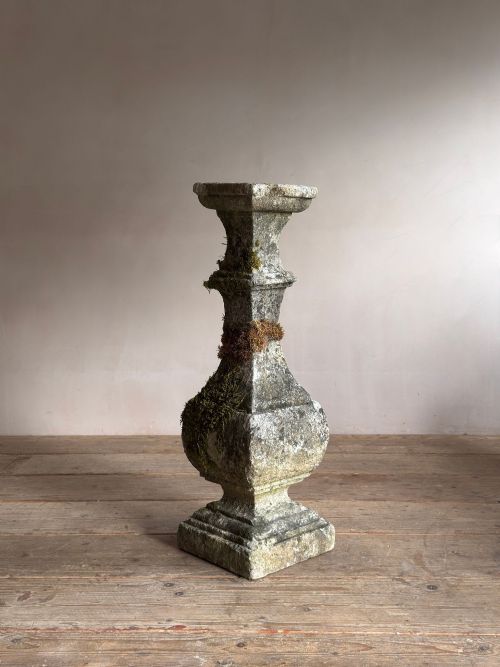


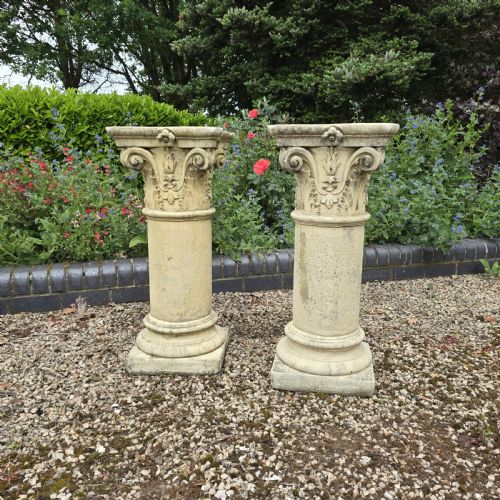


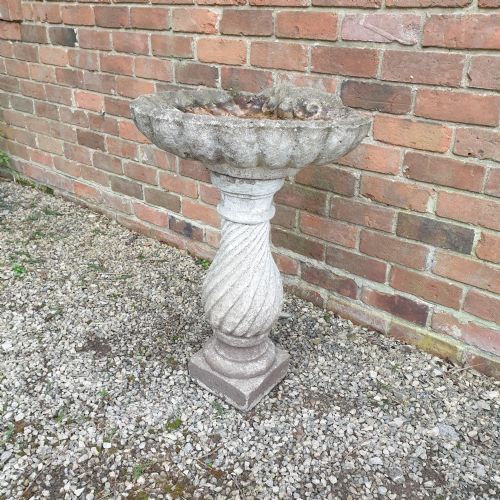
Weathered Stone Column
These weathered stone column pieces bring timeless garden structure and classical presence to outdoor spaces, offering aged textures that instantly ground a landscape design.

Weathered Stone Column
When you search for weathered stone column, you are looking at substantial architectural supports, plinths, and pedestals designed for gardens and grounds. The pieces available span periods from the Georgian era through the 1920s, 1930s, and 1950s, alongside nineteenth-century examples.
The versions you are most likely to meet on this page include garden pedestals, plinths, capitals, and sundial bases. These items often function as display mounts for busts or spheres rather than standalone structural elements.
Origins and styles lean heavily toward classical revival, neoclassical, and Gothic revival aesthetics. You will find items described through traditional garden forms such as Corinthian capitals and architectural salvage.
Distinctions in quality and execution
Quality separates simple cast utilitarian blocks from finely carved architectural elements. The crispness of detail in carved limestone or cast stone capitals distinguishes superior work.
Proportion and architectural correctness define the upper end of the range. Pieces adhering strictly to classical orders like Corinthian demonstrate a higher level of design competence than generic pedestals.
Weathered Stone Column Retail Price Guide 2026
Typical asking prices for weathered stone column among the pieces listed under this phrase on Sellingantiques today, from the lower quarter to the upper quarter. They describe what is for sale here now, not the wider market.
The listings combine natural limestone with manufactured composite stone, spanning periods from the eighteenth century to the mid-twentieth century.
The Weathered Stone Column Glossary
- Capital
- The uppermost member of a column, often carved with acanthus leaves or volutes as seen in Corinthian examples. It sits directly above the shaft to bear weight.
- Plinth
- A heavy rectangular or square block forming the base of a column, statue, or bust. These provide stable footing on uneven garden ground.
- Reconstituted stone
- A manufactured material made from crushed stone aggregate and a binder such as cement, moulded to resemble natural stone. It offers consistent structural strength for garden ornaments.
- Architectural salvage
- Building elements or ornaments recovered from older structures before demolition. These items retain historical patinas and original hand-worked details.
- Armillary sphere
- An astronomical model of celestial circles mounted on a pedestal or plinth. They frequently serve as garden focal points.
Weathered Stone Column: Frequently Asked Questions
How do I place a column in the garden?
Position columns on stable, leveled ground or concrete pads to prevent settling over time. Their substantial weight usually keeps them secure without permanent fixings.
Pair them with focal points such as sundials, busts, or large planters to create balanced sightlines along paths or garden vistas.
Can these pieces stay outside in winter?
Natural limestone and dense cast stone generally withstand frost and cold weather exposure well. Their heavy mass helps them endure seasonal temperature shifts.
Ensure water does not pool in hollows or fitted bowls during freezing periods to prevent surface cracking.
What styles are represented here?
The selection includes neoclassical, Gothic revival, and traditional garden designs reflecting periods from the eighteenth century to the mid-twentieth century. Corinthian capitals and classical columns predominate.
Each style reflects the architectural tastes of its specific era, ranging from Georgian formality to later revival periods.
How do I tell natural stone from cast stone?
Natural limestone displays unique veining, fossil inclusions, and tool marks unique to individual hand carving. It feels cold and varies subtly in texture.
Cast or reconstituted stone often reveals a uniform granular matrix within a moulded form, sometimes showing faint mould seams from production.