





Grey Stone Bust Statue
These grey stone bust statue pieces bring classical presence and sculptural depth to any room or garden.
Grey Stone Bust Statue
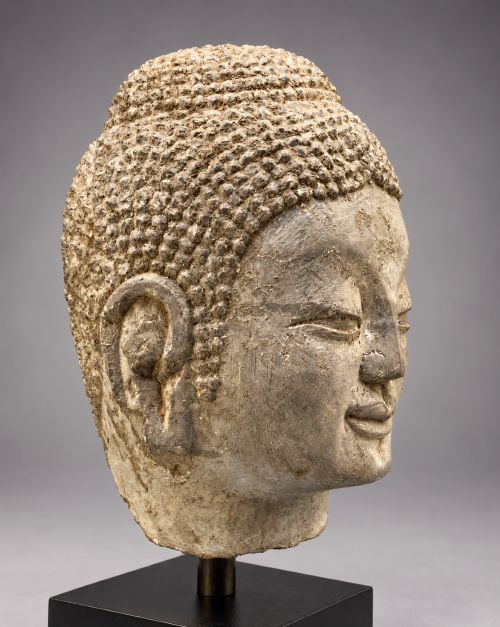
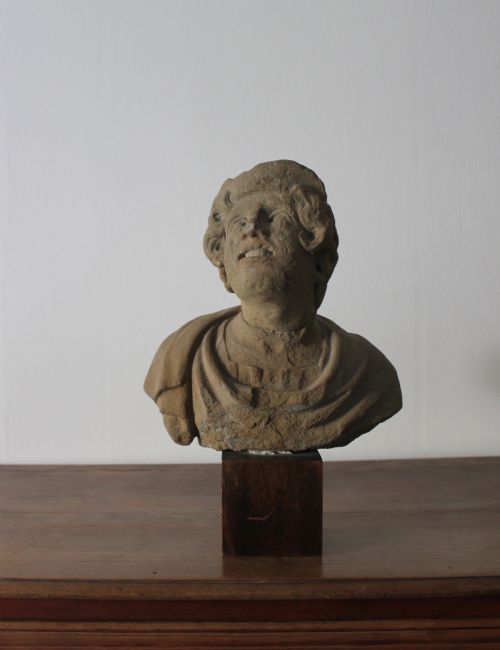
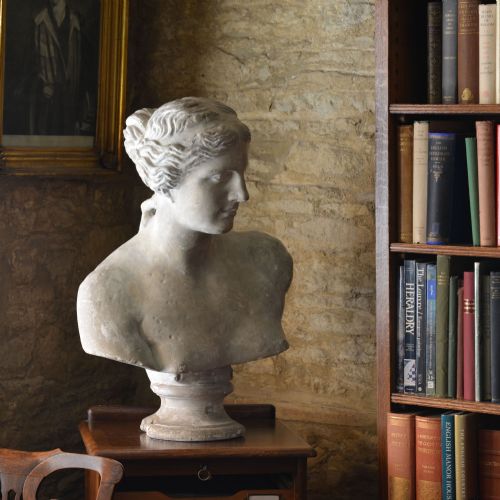
A grey stone bust statue represents human figures from classical deities to historical leaders, carved or cast to simulate aged stone. When searching for a grey stone bust statue, buyers encounter everything from ancient limestone Buddha heads to nineteenth-century plaster casts of Venus de Milo and nineteenth-century grand tour marble pieces.
The selections span distinct periods, ranging from pre-sixteenth-century medieval carvings and Ming Dynasty limestone to twentieth-century garden statuary on pedestals. Most examples feature classical or neoclassical revivals, portraying subjects like Athena, David, and Napoleon Bonaparte.
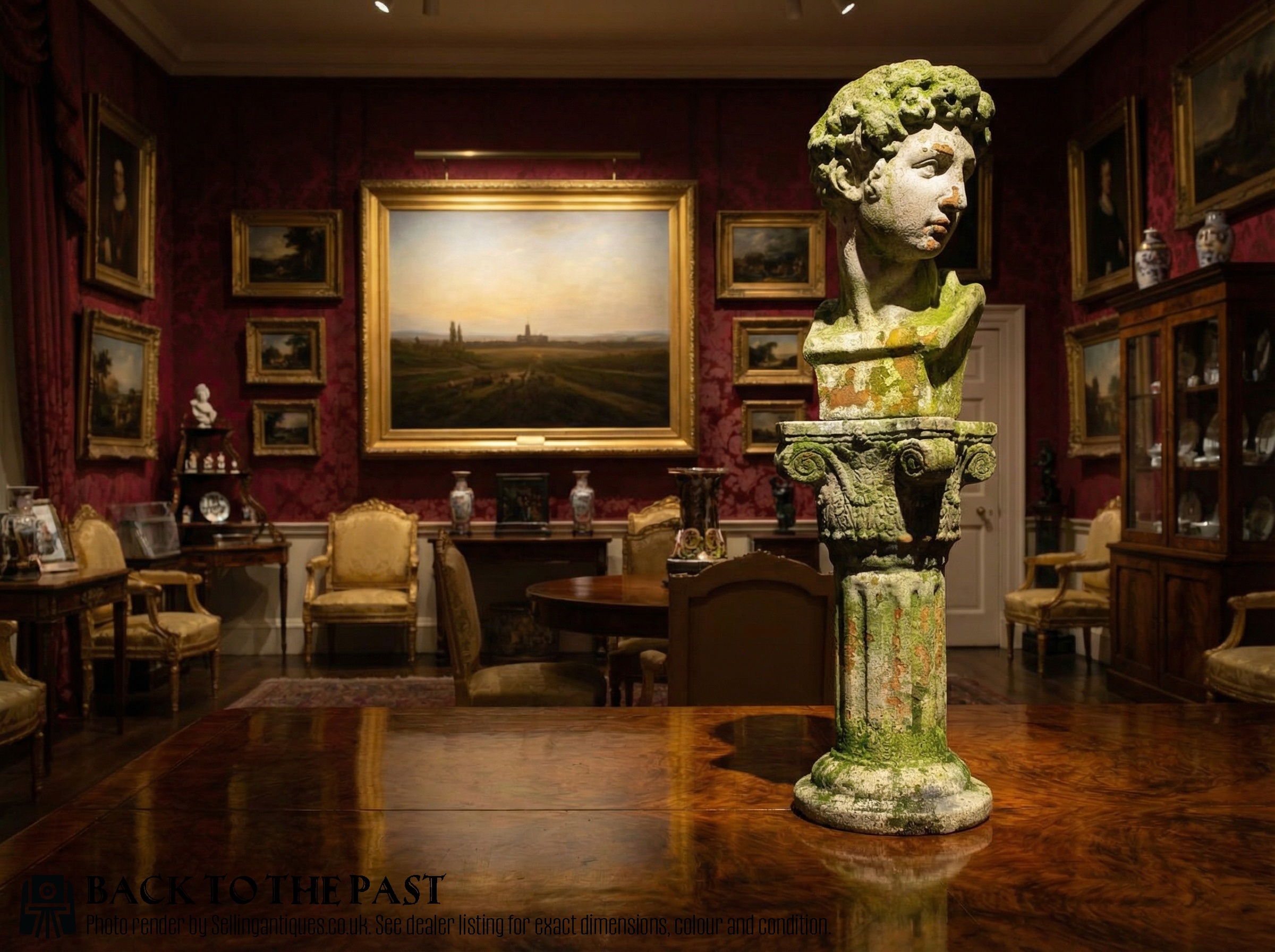
Forms vary between indoor sculptural works on plinths and large garden statues designed for outdoor display. Buyers often select these pieces to anchor a room or to add classical gravitas to garden landscapes.
How they were made
The materials recorded in these works include limestone, sandstone, marble, reconstituted stone, cast stone, plaster, and gypsum. Carved pieces rely on direct subtraction from blocks of natural stone or limestone, requiring skilled hand chiselling.
Moulded versions utilise cast stone, reconstituted stone, plaster, or gypsum poured into forms to replicate the texture and weight of quarried material. Wooden elements sometimes support or mount these sculptures.
Grey Stone Bust Statue Retail Price Guide 2026
Typical asking prices for grey stone bust statue among the pieces listed under this phrase on Sellingantiques today, from the lower quarter to the upper quarter. They describe what is for sale here now, not the wider market.
Napoleon Bonaparte shares shelf space with David, Athena, and Venus de Milo in this unexpected assembly of historical likenesses.
What varies in quality
Quality rests in the precision of the carving or the crispness of the cast, distinguishing master artisans from commercial producers. Finer sculptures capture anatomical nuance and facial expression with anatomical accuracy.
The integrity of the material and the weathering pattern also dictate worth. Natural stones like limestone and marble show organic ageing that man-made gypsum and plaster seldom duplicate with the same depth.
The Grey Stone Bust Statue Glossary
- Plinth
- A heavy base supporting a statue or bust. It elevates the sculpture to improve visibility and balance.
- Grand Tour
- A traditional trip of Europe undertaken by upper-class European young men of means in the past. It resulted in the acquisition of classical art and marble busts.
- Neoclassical
- A style reviving the art and culture of ancient Greece and Rome. It dominates many nineteenth-century bust designs.
- Cast stone
- A refined building product manufactured to mimic natural cut stone. It is used extensively in garden statuary.
Grey Stone Bust Statue: Frequently Asked Questions
Where should I place a bust statue?
These sculptures suit both interior display on tables and architectural ledges, and exterior placement on garden pedestals.
Weathered stone versions integrate naturally into garden planting schemes, while refined marble pieces work well in entrance halls or libraries.
How do I care for stone statues?
Natural stone and reconstituted materials require gentle cleaning with water and soft brushes to preserve the surface.
Plaster and gypsum versions must remain indoors away from moisture to prevent structural degradation.
What is a grand tour bust?
Grand tour busts are smaller or full-sized copies of classical antiquities collected by travellers in Italy during previous centuries.
These pieces typically utilise marble and reflect classical revival aesthetics.
How can I tell the period?
Dating relies on material analysis, tool marks, and stylistic indicators associated with periods like the Ming Dynasty or the nineteenth century.
Patination and weathering also offer clues to the age of outdoor garden statuary.