


Neoclassical Relief Plaque
A neoclassical relief plaque brings the sculpted dignity of antiquity into your home through finely modelled figures and classical motifs.
Neoclassical Relief Plaque
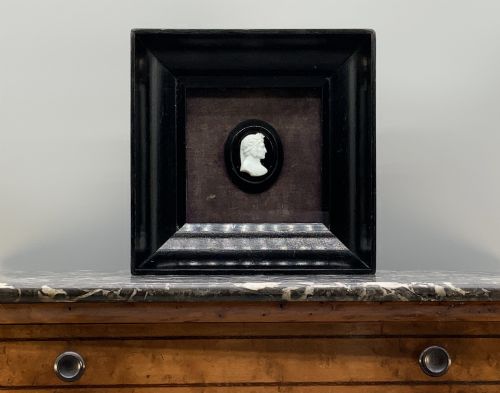
A neoclassical relief plaque is a decorative work of art that draws upon classical antiquity, often depicting mythological scenes, historical portraits, or allegorical figures. Buyers look for these pieces to add architectural gravitas and a sense of history to interior spaces.
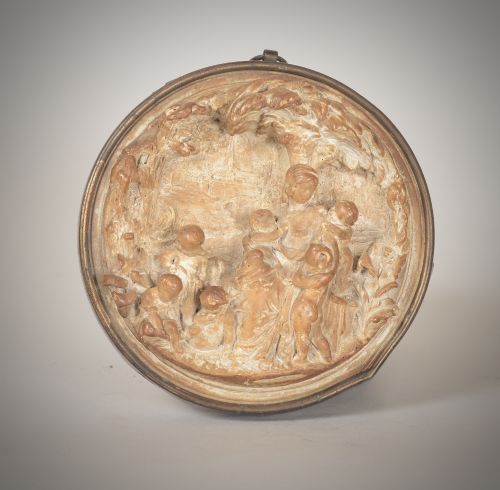
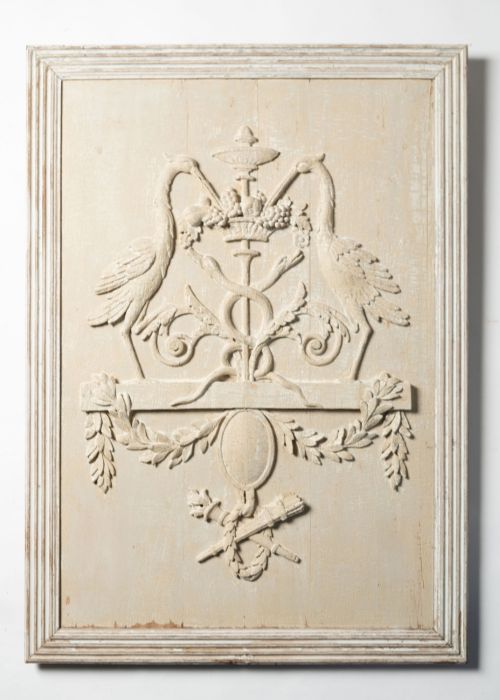
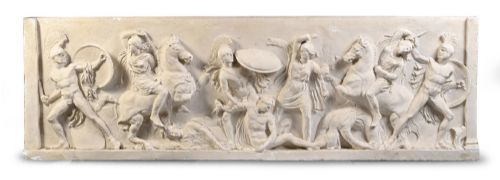
The selections available span several centuries, with particular emphasis on the eighteenth and nineteenth centuries, alongside Grand Tour souvenirs and later revival pieces. Forms range from framed wall art and roundels to decorative dishes, carved wood panels, and friezes.
Most examples originate from British, French, Italian, and German workshops, reflecting the widespread European fascination with classical sculpture and mythology. These plaques serve primarily as wall decoration or mounted sculptural elements in period and eclectic interiors.
How they were made
Maker's workshops utilised a diverse array of materials, casting bronze, brass, and pewter, or carving directly into Italian marble, wood, and ivory. Plaster, gypsum, and marble dust also provided versatile mediums for capturing intricate low-relief portraits and classical friezes.
Techniques combined traditional foundry casting and hand-carving with specialised composition methods, such as jasperware production. Details were often hand-finished or patinated to emulate ancient excavated artefacts brought home by travellers on the Grand Tour.
The selection spans from eighteenth-century Louis XVI pieces to twentieth-century German marble dust reliefs.
What varies in quality
The choice of medium also influences character, as finely polished marble or hand-chased bronze carries greater weight and permanence than moulded plaster or composite dust. Signed or labelled pieces from established makers provide a documented level of craftsmanship.
Carlhian and Corbiere London·Wedgwood·Thorvalsen Workshop·Coalbrookdale
The Neoclassical Relief Plaque Glossary
- Grand Tour
- A cultural journey undertaken by wealthy young Europeans through France and Italy to study classical antiquities. Souvenirs from these trips frequently included small marble profile plaques and bronze casts.
- Bas-relief
- A sculptural technique where the figures project only slightly from the background plane. This shallow depth is typical of classical profile portraits and friezes.
- Jasperware
- A type of fine stoneware developed by Josiah Wedgwood, characterised by a matte coloured body with applied white neoclassical relief decorations. It remains highly collectable in framed sets and individual medallions.
- Patina
- The surface sheen or colour acquired by metals such as bronze and brass through age and handling. A rich patina adds visual depth to cast metal plaques.
- Repose
- A calm, balanced posture often seen in classical figures and mythological scenes. It defines the restrained emotional tone characteristic of the neoclassical style.
Neoclassical Relief Plaque: Frequently Asked Questions
What is a neoclassical relief plaque?
A neoclassical relief plaque is a sculpted or cast panel depicting classical figures, portraits, or mythological narratives. These decorative objects draw inspiration from ancient Greek and Roman art.
They were produced across Europe, particularly during the eighteenth and nineteenth centuries, as decorative wall art or architectural ornaments.
How were these plaques displayed historically?
Plaques were mounted directly onto interior walls, set above doorways as over-door panels, or framed for display in drawing rooms and galleries. Grand Tour souvenirs were often collected by travellers to showcase their classical education and refined taste.
Larger friezes were integrated into architectural settings, including fireplace surrounds and library boiserie.
How do I distinguish marble from plaster or composition?
Marble feels cool to the touch and exhibits natural stone veining and crystalline structure under close inspection. Plaster and marble dust compositions feel lighter and may show casting seams rather than tool marks.
Carved marble also possesses sharp, crisp edges that differ from the softer contours typically found in moulded plaster casts.
What subjects are most common on these pieces?
Common subjects include profiles of Roman emperors, mythological figures such as Bacchus and Diana, and scenes from classical literature like the Amazonmachy. Portrait medallions of historical figures and poets are also frequently encountered.
These motifs reflect the enduring European revival of interest in classical antiquity and humanist ideals.