

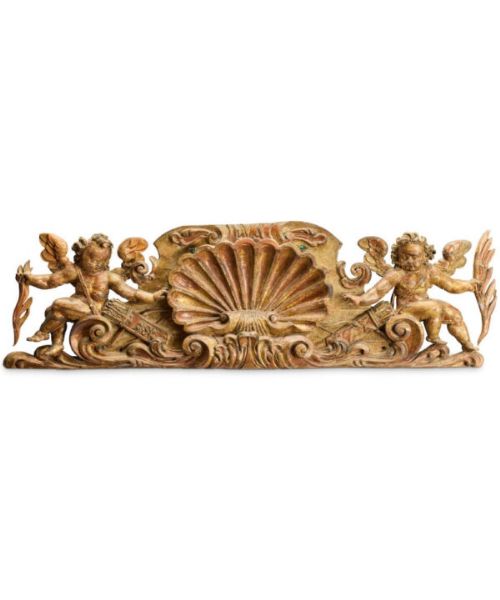


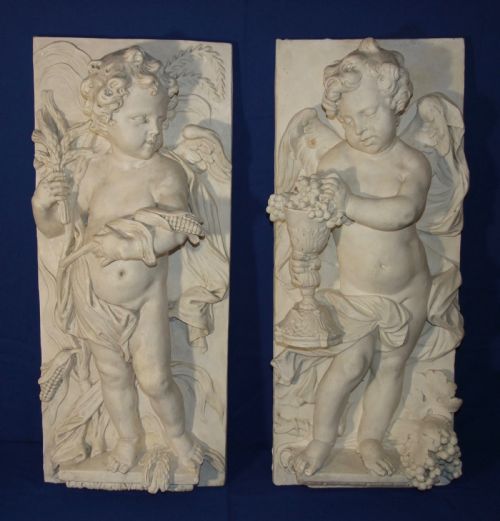


18th Century Frieze
An 18th century frieze brings classical architectural detail and period craftsmanship into a room through carved wood, plaster, bronze or stone.
18th Century Frieze
When you search for an 18th century frieze, you encounter decorative horizontal bands or panels from domestic interiors, fireplaces, and architectural salvage, alongside furniture featuring carved or inlaid frieze sections. These pieces originate primarily from the Georgian period, spanning the eighteenth century and the early decades of the nineteenth century.
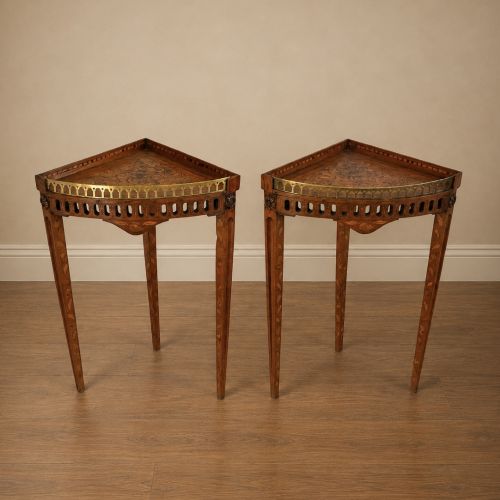
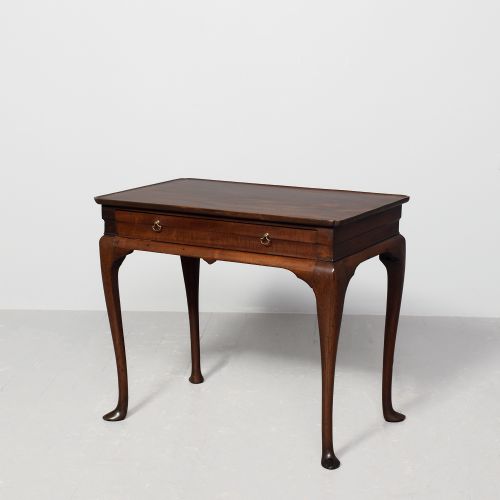
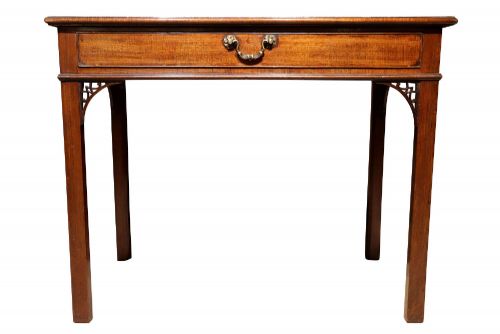
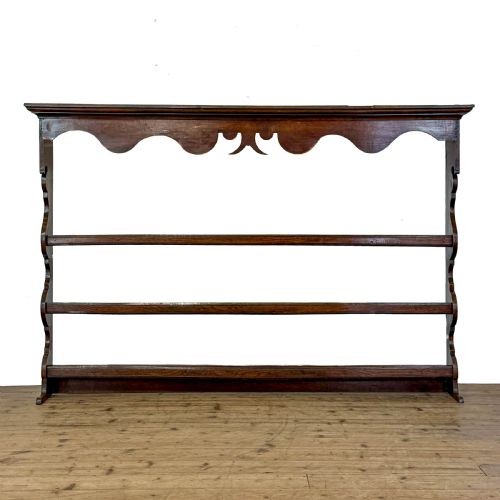
The selections on this page range from solid oak panels and carved wood pediments to bronze fireplace centre friezes and large plaster cast wall friezes. Furniture examples incorporate the frieze into the upper rails of lowboys, dressers, and Bible boxes, often displaying geometric carving or fretwork.
Beyond architectural fragments, the material includes fine art prints and engravings documenting classical antiquities, alongside substantial oak coFFERs and console tables. This variety reflects how period craftsmen integrated decorative relief work into both structural elements and movable furnishings.
Materials and construction methods
Makers utilised timber such as oak, mahogany, walnut, fruitwood, and iron, shaping them with hand tools to produce architectural elements and furniture friezes. Oak panels and coFFERs display traditional joinery and deep hand-carving, while mahogany and walnut items incorporate fine mouldings and fretwork.
Plaster, bronze, and carved stone appear in architectural salvage, capturing classical motifs through casting and chiselling. Engravings on paper record architectural details and mythological figures using copper plates and ink.
Surface treatments range from parcel gilding on carved wood pediments to natural waxed finishes on oak and fruitwood dressers and side tables.
Materials span brass, oak, paper, ink, mahogany, walnut, fruitwood, and iron across the furniture and architectural elements listed.
Assessing quality in period pieces
Quality rests in the crispness and depth of the hand-carving or casting, where sharper relief work distinguishes superior architectural friezes and furniture panels from simpler production. The choice of timber also dictates grade, with dense, well-figured oak, mahogany, and walnut marking the finer examples.
Proportion and execution define the hierarchy among tables, dressers, and architectural fragments. Pieces retaining their original surface patination, uncompromised structural joins, and authentic period hardware command greater regard than those with extensive replacement parts.
Grinling Gibbons·W. Priest·James Basire·Edward Rooker
The 18th Century Frieze Glossary
- Frieze
- A broad horizontal band of sculpted, painted, or decorated relief, frequently found on architectural entablatures, fireplace surrounds, and the upper rails of furniture.
- Pediment
- A triangular or curved architectural element placed above doors, windows, or furniture cornices, often decorated with carved wood or parcel gilding.
- Lowboy
- A small kneehole dressing table or side table with drawers, typically supported on four legs and associated with the Georgian period.
- CoFFER
- A large chest used for storage, constructed with heavy timber panels and sometimes featuring carved friezes or internal candle boxes.
- Fretwork
- Ornamental perforated or pierced woodwork patterns created by cutting designs through thin boards, seen on furniture friezes.
- Plaster cast
- A reproduction or sculptural relief formed by pouring plaster into a mould, utilised for classical wall friezes.
18th Century Frieze: Frequently Asked Questions
How were friezes used in 18th century interiors?
Friezes functioned as decorative horizontal bands along walls, beneath mantelpieces, or integrated into the upper sections of architectural joinery and furniture. They provided a focal point for classical motifs and detailed carving within Georgian rooms.
Architectural fragments were also mounted directly onto walls as standalone ornaments, while furniture makers used the frieze rail to incorporate carved or pierced detailing into tables and chests.
What materials are typical for an 18th century frieze?
Period friezes and related architectural elements appear in carved oak, pine, stone, bronze, and plaster. Furniture makers applied carved wooden friezes to mahogany, walnut, oak, and fruitwood pieces.
On paper, engravings recorded classical stone friezes and antiquities using ink on laid paper, capturing architectural details for contemporary collectors.
How do you date an 18th century architectural frieze?
Dating relies on stylistic indicators such as Neoclassical, Georgian, or English Baroque design motifs, combined with the material evidence of the timber, stone, or plaster. Tool marks, joint construction, and wear patterns offer further confirmation of age.
Documentation, maker stamps, or historical engraving publications like those of Athens antiquities help place specific decorative elements within the eighteenth century.
How should I care for a wooden or plaster frieze?
Wooden friezes and furniture benefit from occasional applications of traditional beeswax, avoiding modern silicone polishes that damage antique finishes. Maintaining stable room humidity prevents timber from splitting or warping.
Plaster and stone friezes require gentle dusting with a soft brush, avoiding liquid cleaners that risk softening porous plaster surfaces or embedding dirt into the relief.