



Bronze Architectural Salvage
Bronze architectural salvage brings enduring metalwork from past centuries into modern spaces, offering distinct historical character for restoration and design.
Bronze Architectural Salvage
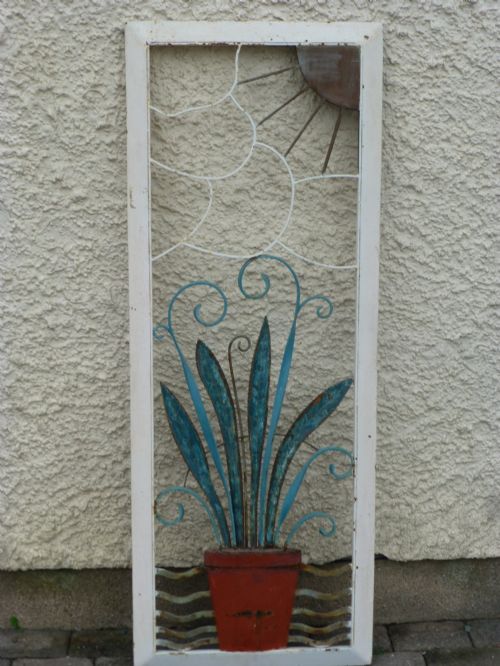
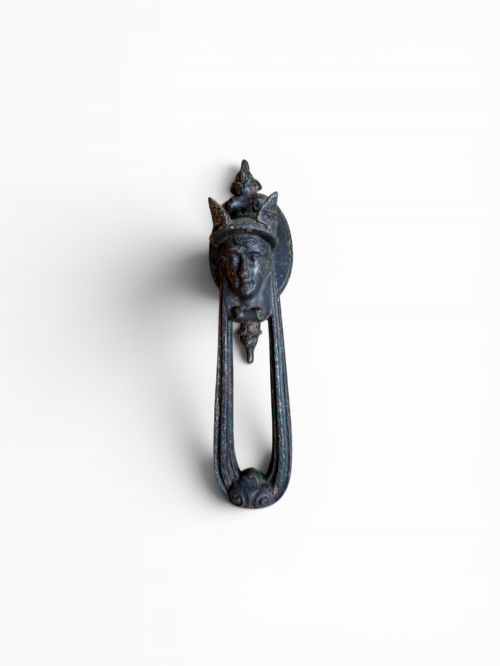
When you search for bronze architectural salvage, you encounter heavy metal components salvaged from period buildings, gardens, and interiors spanning multiple centuries. These pieces range from substantial garden screens and ballroom door pulls to intricate door knockers and fireplace friezes.
Originating from French, British, and Chinese traditions, these items reflect diverse stylistic influences including Egyptian Revival and Traditional Chinese motifs. The forms vary from sphinx door knockers and sea serpents to geometric Art Deco designs.
Assessing quality in salvaged metalwork
Quality in these pieces rests upon the crispness of the casting detail and the complexity of the design, such as the sculptural depth found in Hermes heads or Foo dog plates. Finer examples display meticulous hand-finishing and clear stylistic attribution, whereas simpler items show more utilitarian execution.
The integrity of the metal surface and the preservation of original patination also distinguish superior specimens. Well-preserved mounts and matching sets retain greater historical cohesion than mismatched components.
Sea serpents and sphinxes guard the portals, proving that historical builders had a theatrical imagination.
Raymond Subes
The Bronze Architectural Salvage Glossary
- Architectural salvage
- Building components rescued from demolition or renovation for reuse in new contexts. These items preserve period craftsmanship and materials.
- Push plate
- A metal plate mounted on a door to protect the surface from finger marks around the handle. They often feature decorative casting matching the associated hardware.
- Finial
- A decorative ornament crowning a staircase post or architectural element. They terminate vertical structures with sculptural detail.
- Cast bronze
- Molten bronze poured into a mould to form complex shapes. This technique allows for intricate surface relief and durable construction.
- Frieze
- A broad horizontal band of sculpted decoration along a fireplace or wall. They provide classical or allegoric visual interest to interior architecture.
Bronze Architectural Salvage: Frequently Asked Questions
What is bronze architectural salvage?
Bronze architectural salvage comprises metal fittings, hardware, and decorative elements removed from older buildings during demolition or remodelling. These range from functional door handles and knockers to large screens and fireplace friezes.
Items of this type allow modern spaces to incorporate genuine period materials and craftsmanship. They offer both utilitarian function and distinct historical aesthetics.
How were these metal pieces used?
These items served structural and decorative purposes in domestic and public buildings, from securing heavy doors to adorning staircases and fireplaces. Door knockers, handles, and bells managed daily access and communication.
Larger elements like screens and friezes defined the visual character of grand interiors and gardens. Their robust construction ensured longevity under constant physical interaction.
How do I live with salvaged hardware?
Integrating salvaged hardware into a modern interior involves matching the mounting requirements and scale of the piece to contemporary doors or walls. Many items function just as they did originally when installed correctly.
Preserving the existing metal patina maintains the historical character acquired over centuries of use. Regular gentle cleaning prevents the accumulation of dirt without removing the aged surface.
How do I tell periods apart?
Periods are identified through stylistic markers such as the geometric symmetry of Art Deco or the ornate revival motifs of the Victorian era. Material choices and casting styles also shift between the eighteenth century and the early twentieth century.
Documentation or distinct design characteristics often point to specific decades like the 1920s. Comparing decorative details against established design histories clarifies the date of manufacture.