




Neoclassical Planter
A neoclassical planter brings classical architectural discipline and sculptural dignity to plant display, bridging interior rooms and formal gardens with enduring style.
Neoclassical Planter
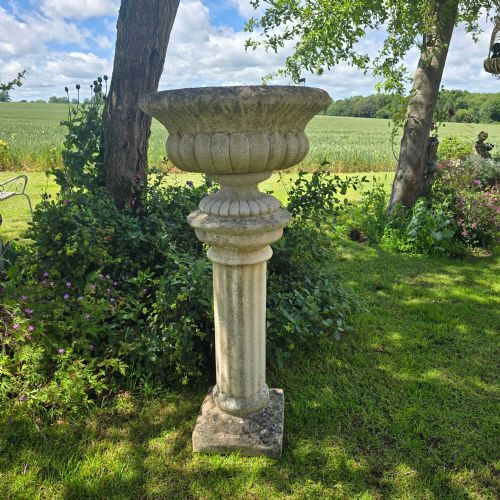
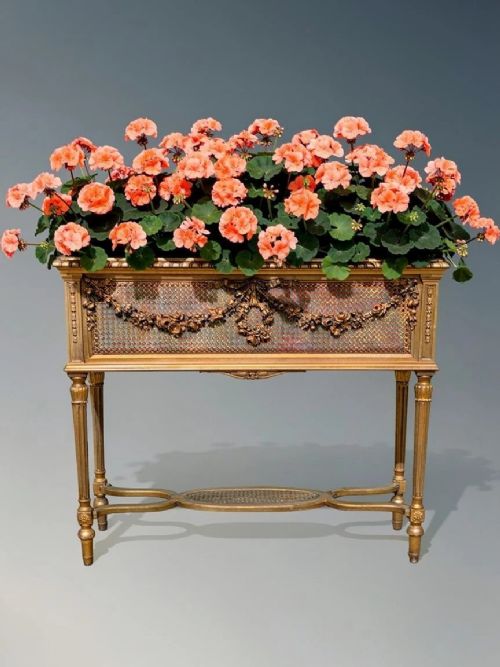
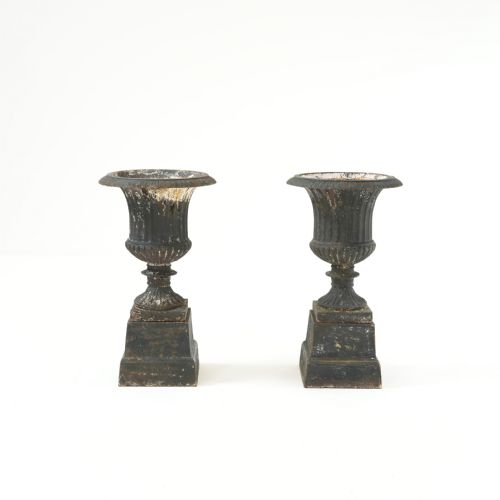
When you search for a neoclassical planter, you examine vessels designed to hold greenery or floral arrangements while echoing the clean lines and motifs of ancient Greece and Rome. These objects range widely in scale and proportion, encompassing interior jardinières, wine coolers, and substantial garden urns.
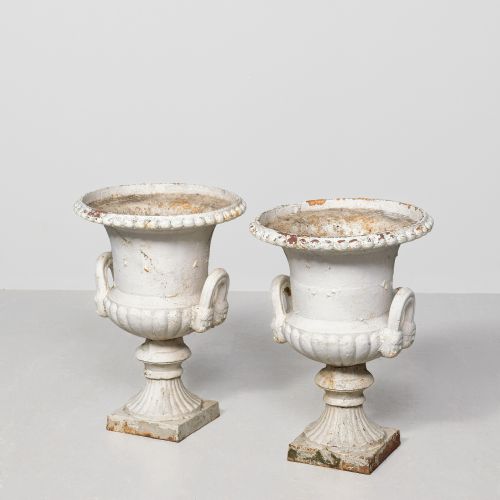
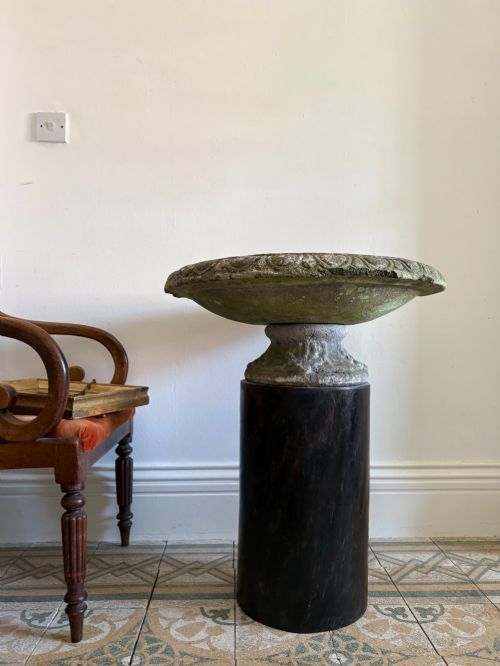
The versions you meet most frequently on this page date from the nineteenth century, including Regency, Victorian, and Edwardian interpretations, alongside continental European examples influenced by the Grand Tour. Forms draw heavily on classical antiquity, presenting campana shapes, tazzas, columns, and pedestals.
Makers adapted these ancient archetypes for contemporary domestic and garden use, employing materials suited to both stately reception rooms and sheltered garden terraces. The overarching design vocabulary relies on symmetry, restraint, and classical ornamentation such as acanthus leaves.
Materials and Technique
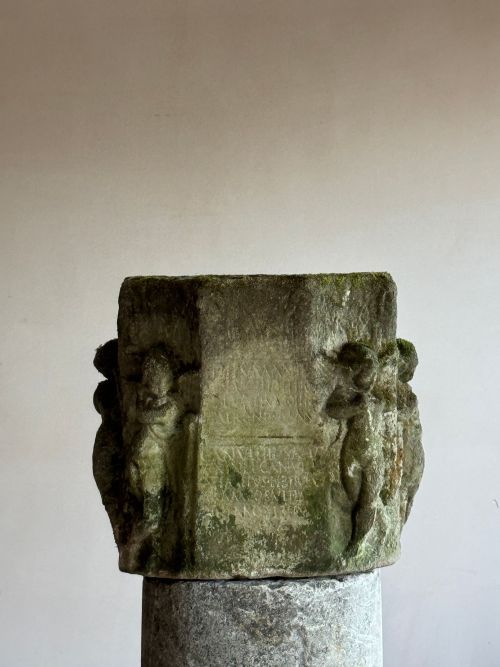
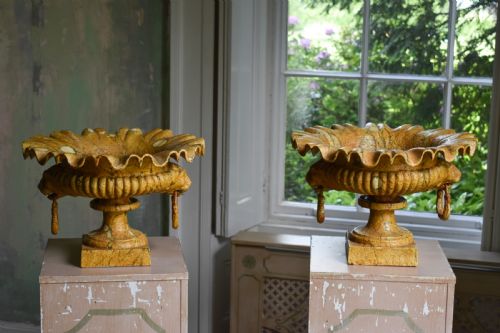
Makers utilised a diverse array of media to achieve both structural permanence and refined ornamental detail, pairing cast iron, bronze, and lead with carved marbles, alabaster, and limestones. Metal vessels often combine casting techniques with chased or ormolu mounts, whilst stone and terracotta examples demonstrate traditional carving and moulding methods.
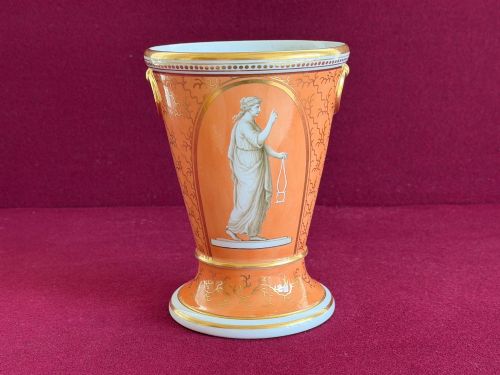
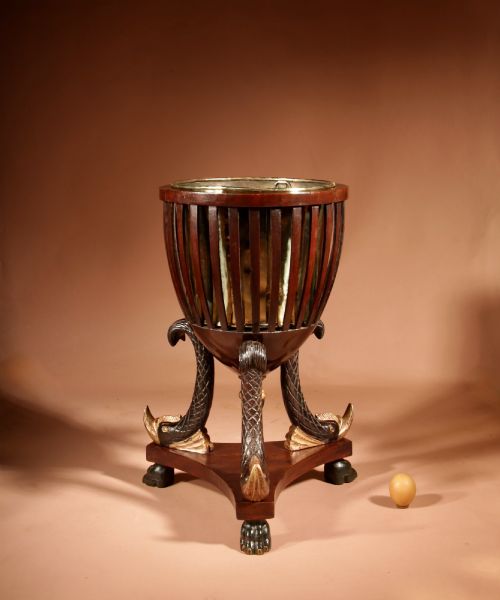
Cabinetmakers and specialist workshops applied marquetry, paint, and gilding to woods such as satinwood, rosewood, and giltwood for interior stands and jardinières. Ceramics and porcelains incorporate majolica glazing, jasperware bodies, or hand-painted details, frequently enhanced with metal collars or stands.
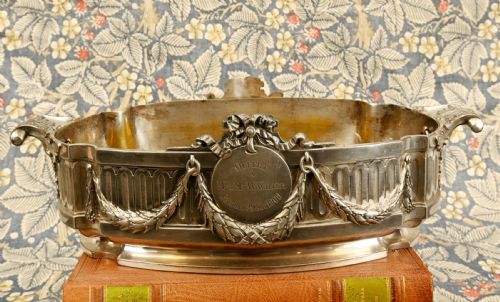
Several pieces double as wine coolers, proving that nineteenth-century hosts valued classical dignity just as much as chilled refreshment.
Evaluating Craftsmanship
Quality rests upon the crispness of the casting or the depth of the carving, where sharply defined acanthus foliage and well-proportioned classical details separate superior work from softer, mass-produced alternatives. The integration of mounts, such as ormolu on porcelain or marble, demonstrates the maker's precision in fitting disparate materials together.
The integrity of the material itself dictates longevity and visual weight, whether observing the dense grain of Carrara marble, the heavy patination of outdoor cast iron, or the careful grain matching in satinwood marquetry. Finer examples maintain structural balance between the vessel and its plinth or base, ensuring the entire composition holds together harmoniously.
Flight and Barr Worcester·Wedgwood
The Neoclassical Planter Glossary
- Campana urn
- A bell-shaped vessel with a flaring rim and a pedestal foot, modelled after ancient bronze and marble wine craters. This silhouette remains one of the most recognisable shapes in neoclassical garden and interior ornamentation.
- Grand Tour
- A traditional trip through Europe undertaken by upper-class young men to study classical art and architecture. Souvenirs brought back included small-scale bronze or marble urns and vases.
- Jardiniere
- An ornamental pot or stand designed to hold growing plants or flowers, usually placed inside domestic rooms. French examples often incorporate fine metal liners and decorative stands.
- Ormolu
- Gilded bronze, where finely ground gold is applied to a bronze base using a mercury amalgam process. It provides bright, lasting highlights on furniture, clocks, and porcelain mounts.
- Marquetry
- Inlaid wood patterns created by fitting contrasting veneers onto a structural surface. This technique produces geometric designs or classical motifs on tables and plant stands.
Neoclassical Planter: Frequently Asked Questions
Where should I place a heavy stone planter?
Heavy stone or cast iron planters require a stable, level foundation capable of supporting considerable weight, particularly when filled with damp soil and plants. Position them in sheltered garden locations or on sturdy terrace paving to prevent shifting over time.
Indoors, smaller marble or ceramic versions need protective pads beneath their bases to safeguard wooden flooring and tabletops from moisture and scratching.
Can I use these antique planters outdoors?
Suitability for outdoor use depends entirely on the original material of the piece. Cast iron, stone, terracotta, and lead withstand weathering when properly situated, though porous stones require monitoring during freezing winter conditions.
Wooden, giltwood, and porcelain planters are strictly intended for interior environments where humidity and temperature fluctuations remain controlled.
How do I care for marble and alabaster surfaces?
Maintain marble and alabaster by dusting regularly with a soft, dry cloth and avoiding harsh chemical cleaners that can etch or dull the polished stone. Any moisture spills should be wiped away promptly to prevent staining.
Occasional gentle cleaning with warm water and neutral soap suffices for stubborn marks, followed by thorough drying with a soft towel.
How can I distinguish Regency from Victorian pieces?
Regency designs, produced in the early nineteenth century, typically exhibit leaner, more archaeological interpretations of classical antiquity with restrained ornamentation and refined proportions. They often reflect the direct influence of the French Empire style.
Victorian pieces, emerging later in the century, frequently display heavier proportions, more exuberant decoration, and a revivalist approach that blends multiple classical motifs together.