
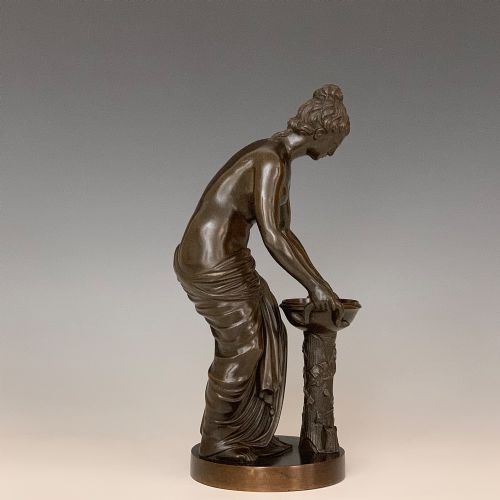


Neoclassical Maiden Sculpture
A neoclassical maiden sculpture brings classical proportion and draped elegance directly into nineteenth-century and twentieth-century interiors.
Neoclassical Maiden Sculpture
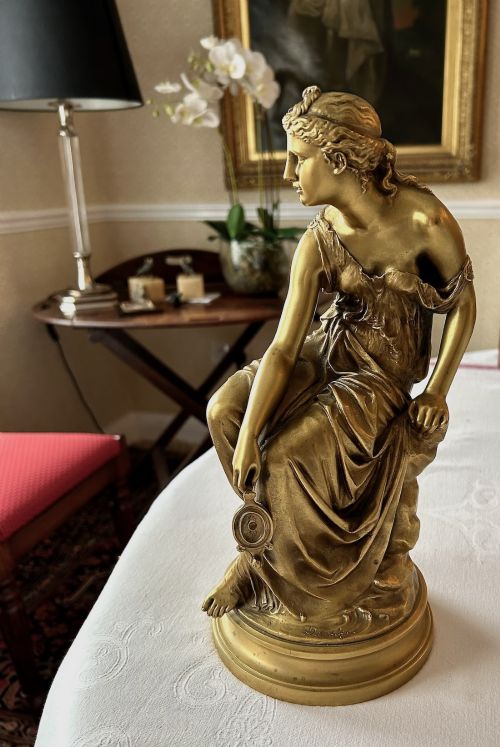
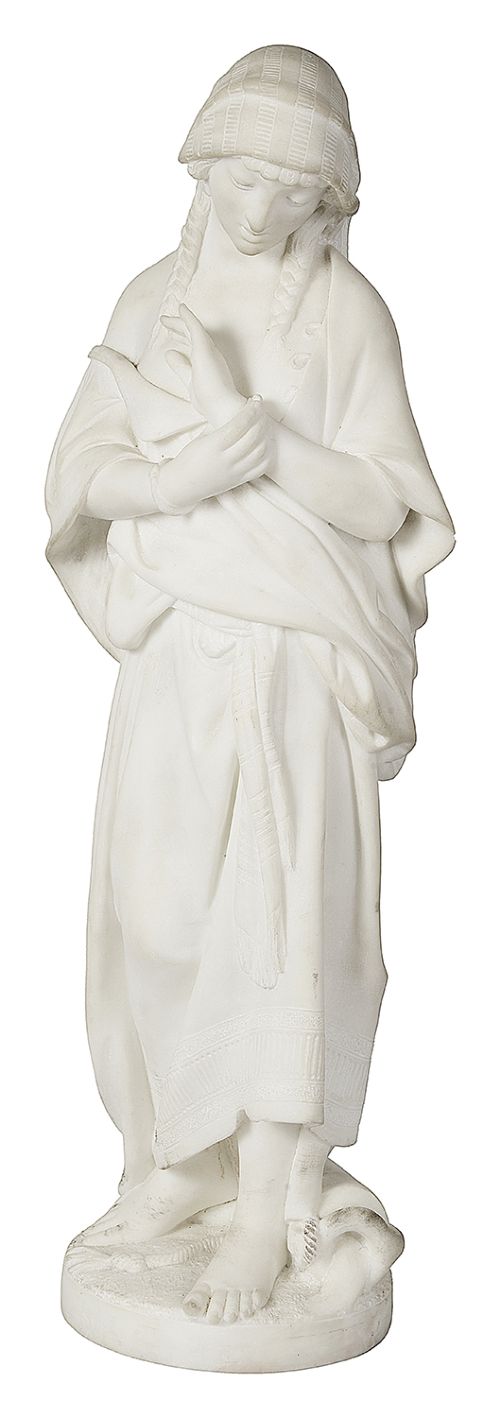
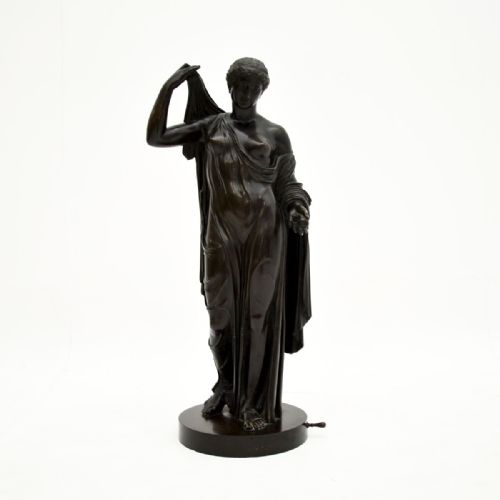
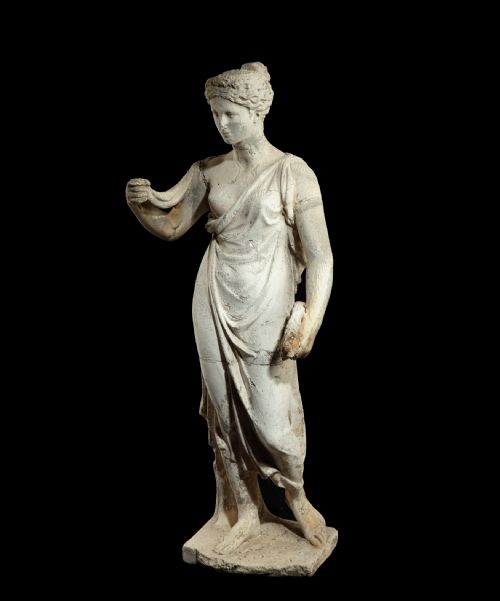
A neoclassical maiden sculpture embodies classical antiquity through robed female figures, water carriers, and mythological subjects.
Buyers encounter marble and bronze statues alongside terracotta, parian porcelain, plaster, and cast iron figures.
Pieces span nineteenth-century Grand Tour works to twentieth-century garden statues and porcelain figurines.
Materials and methods
Sculptors utilised carved marble and cast bronze, often applying gilt highlights or patination to metals.
Makers shaped softer mediums including terracotta, plaster, stucco, and parian porcelain to capture intricate drapery and hair.
Listings feature materials spanning marble, bronze, gilt bronze, plaster, parian porcelain, enamel, terracotta, paint, stucco, stone, and cast iron.
Judging quality and execution
Quality rests in the crispness of the carving, the finesse of the metal casting, and the accuracy of anatomical proportions.
Etienne-Henri Dumaige·Barranti·Royal Worcester·Copeland·Jean Jacques Pradier·Victor Paillard·Leon Pilet
The Neoclassical Maiden Sculpture Glossary
- Parian porcelain
- A fine biscuit porcelain developed in the nineteenth century to imitate carved marble. It frequently appears in classical figures and portrait busts.
- Grand Tour
- The nineteenth-century practice of wealthy travellers collecting classical antiquities and smaller bronze copies across Italy. These souvenirs often depict mythological figures.
- Terracotta
- Fired unglazed clay ranging in colour from red to buff. Sculptors used it both for finished models and preparatory sketches.
- Gilt bronze
- Bronze that has been coated with a thin layer of gold or gold amalgam. This technique adds rich surface lustre to nineteenth-century French figures.
Neoclassical Maiden Sculpture: Frequently Asked Questions
What is a neoclassical maiden sculpture?
These pieces are figures representing classical women, mythological characters, or allegorical subjects, rendered in styles inspired by ancient Greece and Rome.
They appear in various forms, from small cabinet bronzes and marble statues to large garden figures and porcelain mantel ornaments.
How were these sculptures displayed originally?
Nineteenth-century collectors placed marble statues and bronze figures on pedestals, columns, or mantelpieces within drawing rooms and libraries.
Smaller parian porcelain and terracotta pieces adorned side tables and cabinets as part of scholarly domestic displays.
How do I care for marble and bronze?
Marble requires gentle dusting with a dry cloth and protection from staining oils and liquids.
Bronze benefits from occasional light dusting and maintaining a stable indoor humidity to preserve the patination.
How do I identify a Grand Tour bronze?
Grand Tour bronzes typically date from the nineteenth century and depict classical figures, mythological subjects, or famous antique sculptures seen in Italy.
They often exhibit dark patination and were acquired by travellers as souvenirs of their European journeys.