


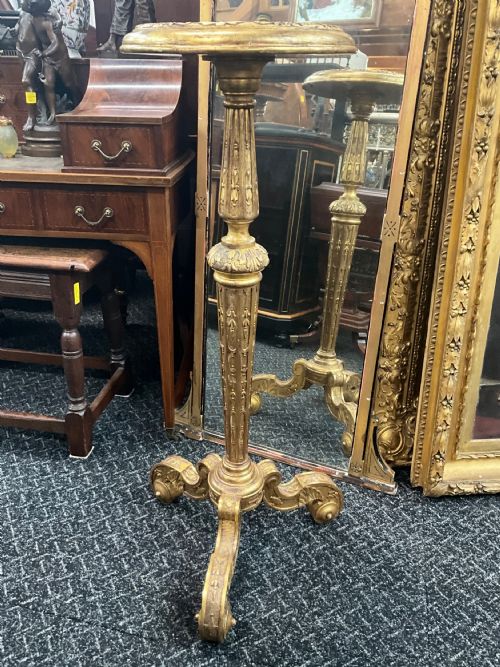
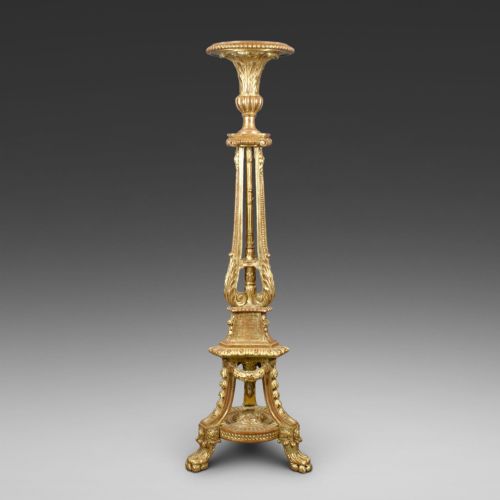


Neoclassical Giltwood Stands
Neoclassical giltwood stands are decorative gilded supports designed to elevate lamps, planters and tables with classical architectural restraint.
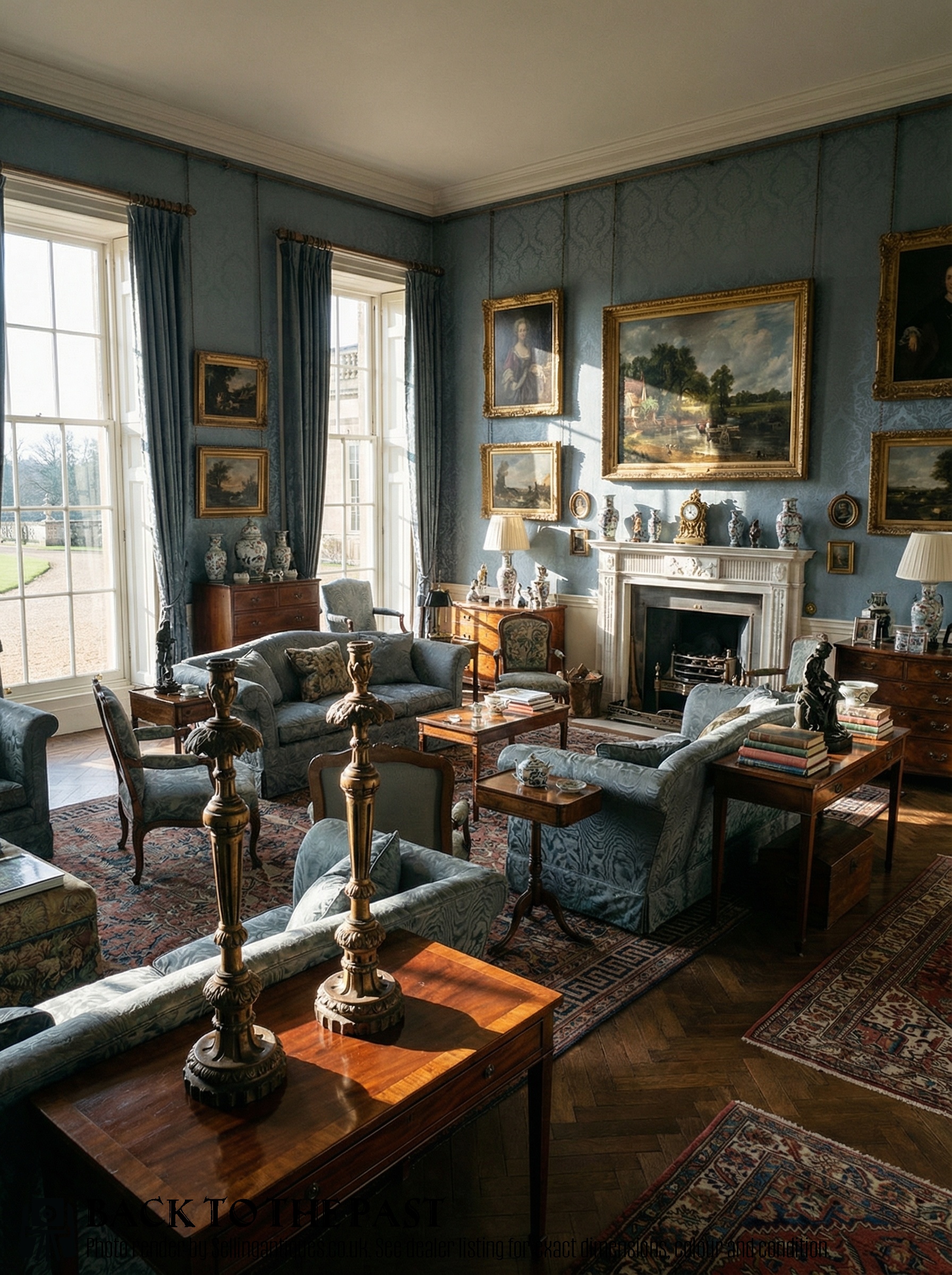
Neoclassical Giltwood Stands
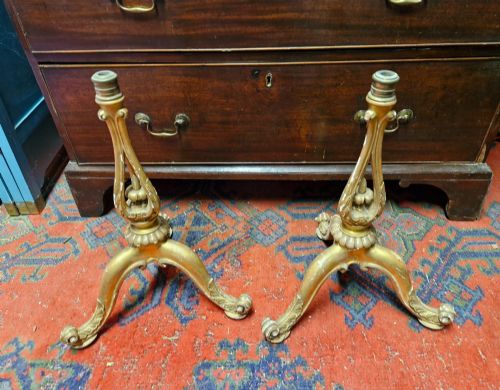
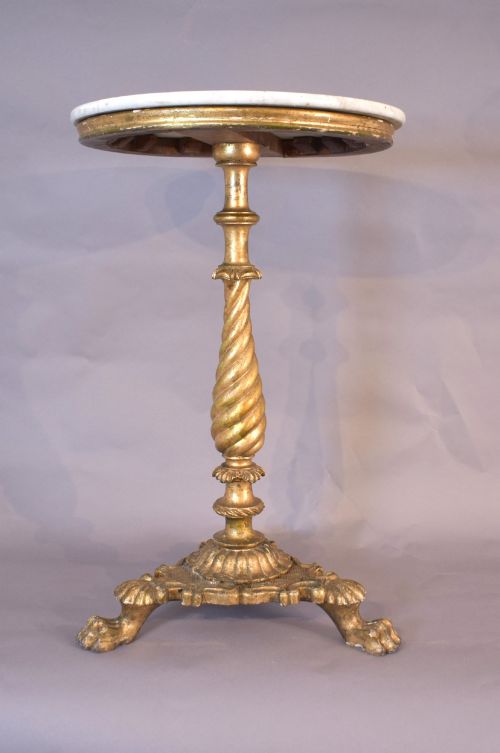
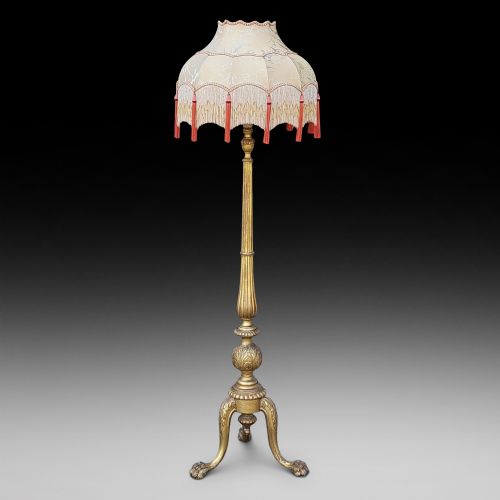
Neoclassical giltwood stands encompass a varied group of gilded furniture forms, including pedestals, torchieres, side tables and standard lamps. These pieces draw upon classical vocabulary such as columns, tripod bases and symmetrical moulding.
The versions most frequently met on this page date from the nineteenth and early twentieth centuries, spanning styles like French Empire, Louis XVI Revival and Regency. They serve as architectural accents within a room, designed to lift objects into the line of sight.
Materials and construction
These stands rely fundamentally on wood carved into structural forms, frequently enhanced with applied gesso to build up crisp relief detail before gilding. Giltwood surfaces combine gold leaf laid over a prepared ground, creating a reflective finish that catches light.
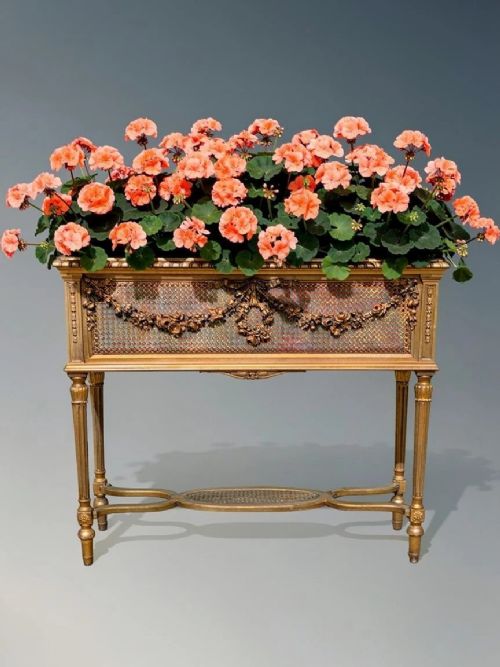
In addition to carved wood and gesso, makers incorporated materials such as marble for table tops, cane for planter panels, and brass or metal components for structural stability. Onyx and fabric also appear on specific functional variants like wine tables and standard lamps.
The listings span the nineteenth century through the early twentieth century, incorporating periods such as eighteen-eighty and nineteen-thirty alongside eighteen-eighteenth-century styles.
Judging quality in construction and surface
Quality rests in the crispness of the carved detail and the application of the gesso and gilding. Pieces with deeply undercut carving and finely rendered floral or architectural motifs demonstrate superior craftsmanship compared to softer, flatter moulding.
The integrity of the underlying wood and the preservation of the original gilded surface dictate the standing of a piece. Hand-applied gold leaf ages with a soft patina that machine-applied metallic paints cannot replicate.
The Neoclassical Giltwood Stands Glossary
- Giltwood
- Wood that has been coated with gold leaf or powder. This surface treatment provides a brilliant reflective quality that defines much neoclassical furniture.
- Gesso
- A plaster-like mixture applied to wood surfaces as a base for gilding. It allows craftsmen to carve intricate relief ornaments before applying gold leaf.
- Torchere
- A tall ornamental stand designed to hold a light source or candle. These pieces often feature slender columns or tripod supports.
- Tripod base
- A three-legged support structure commonly found on tables and torchere stands. This configuration ensures stability on uneven floors.
- Jardiniere
- A decorative stand or container intended to hold plants or flowers. Examples in this category often incorporate cane panels or tiered shelving.
Neoclassical Giltwood Stands: Frequently Asked Questions
Where should I place a giltwood torchere?
Torchere stands suit corners or empty wall spaces where their height can add vertical balance to a room.
They function effectively to lift a lamp, a vase or a small sculpture above standard table height.
How do I clean a giltwood stand?
Dust giltwood surfaces gently with a dry, soft-bristled brush or a clean microfiber cloth.
Avoid using liquid cleaners, polishes or abrasive cloths, as these can damage the delicate gold leaf and gesso.
Can these stands support heavy objects?
Most stands are designed for moderate loads such as lamps, small planters or decorative urns.
Heavier items risk destabilising tripod bases or placing excessive weight on slender columns.
How do I tell nineteenth century pieces apart from later revivals?
Nineteenth-century pieces often exhibit deeper hand-carving and denser timber under the gesso surface.
Later revival pieces from the early twentieth century may show different tool marks and lighter construction methods.