


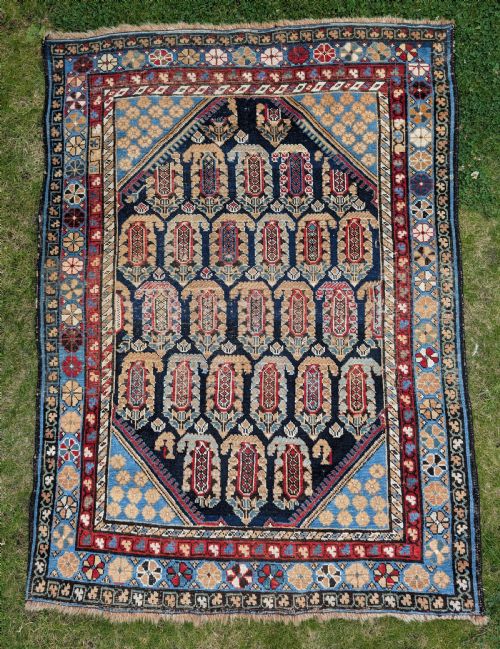
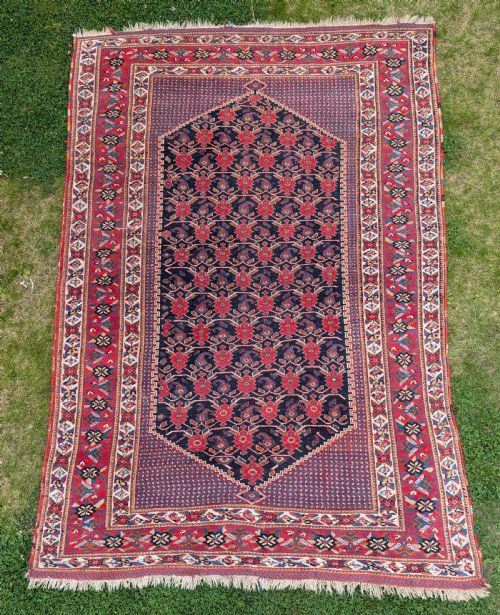
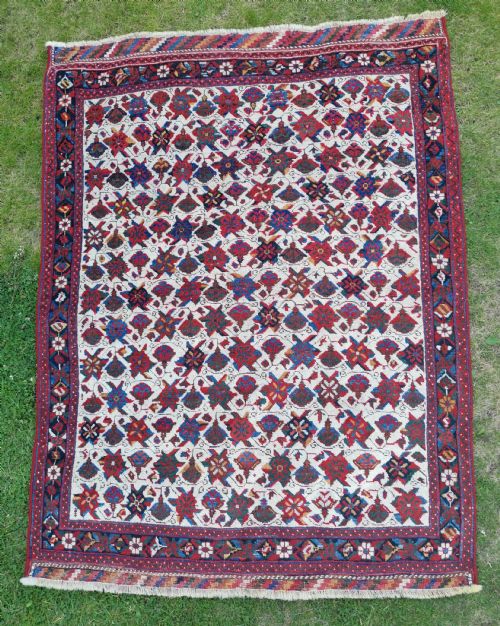
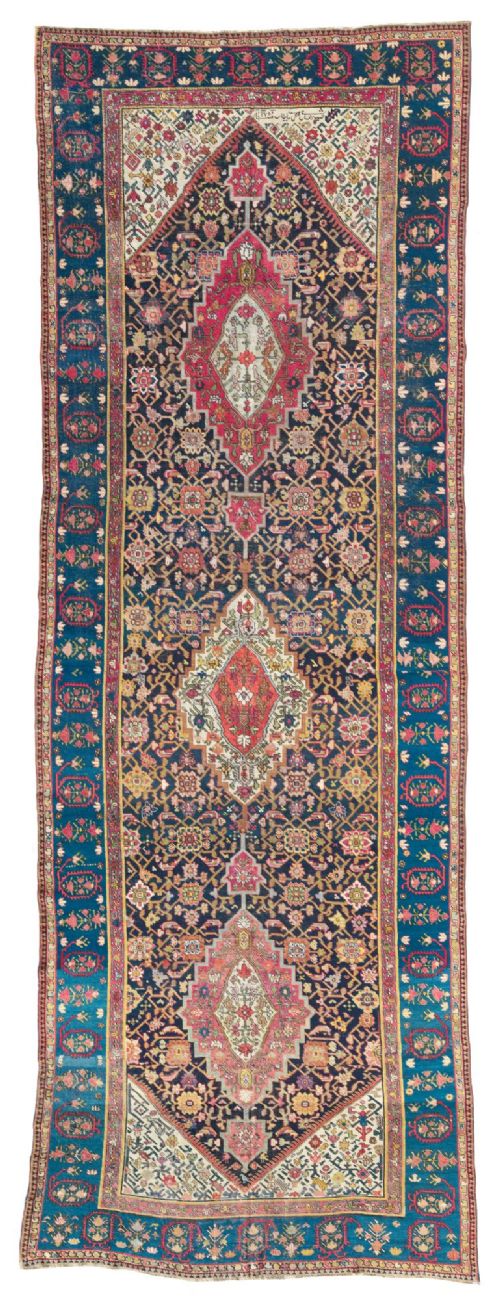
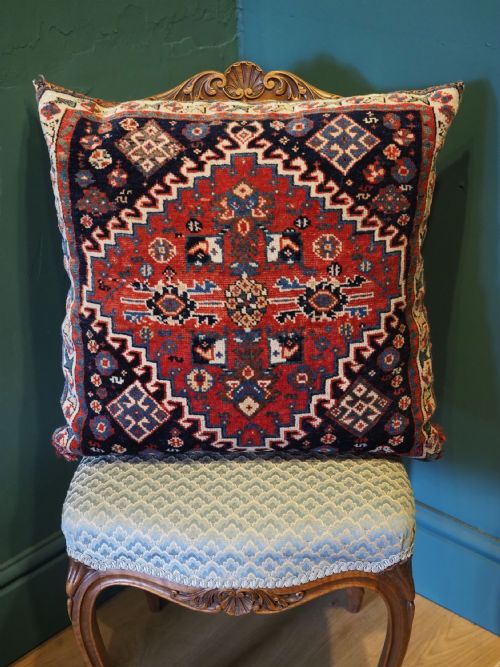
Navy Wool Tribal Rug
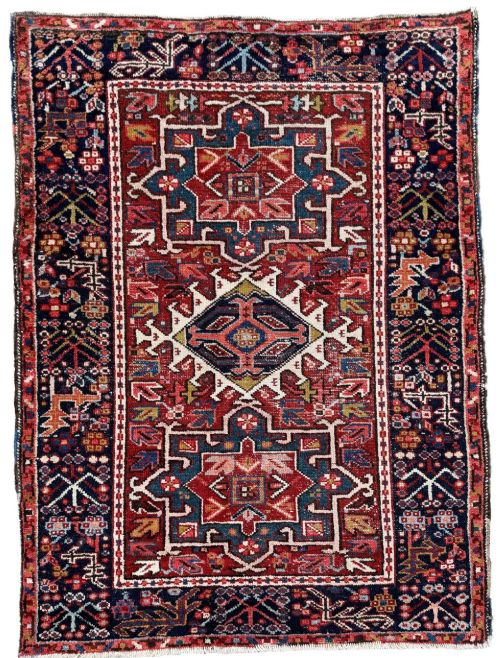
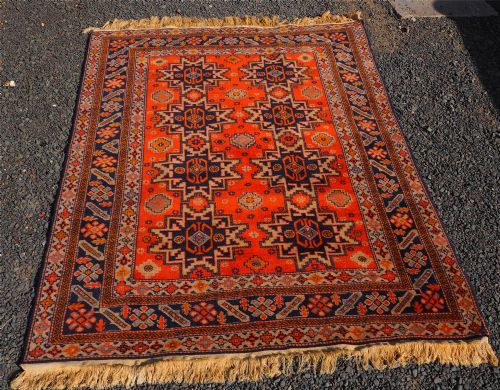
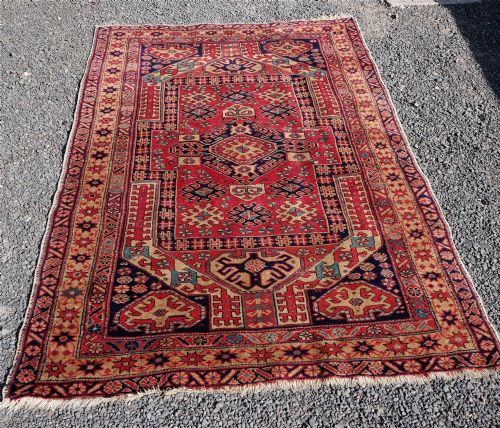
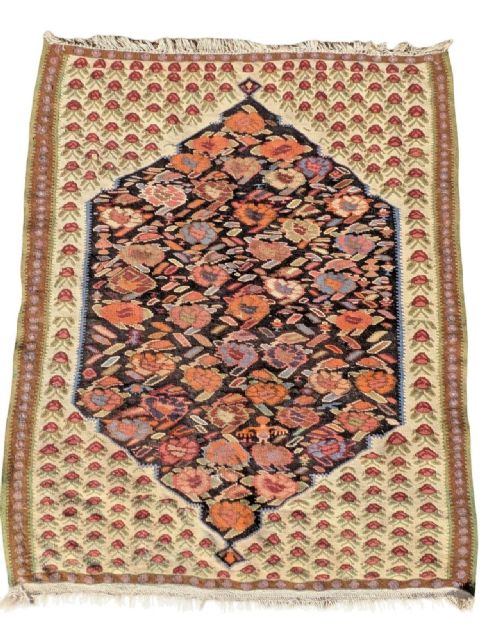
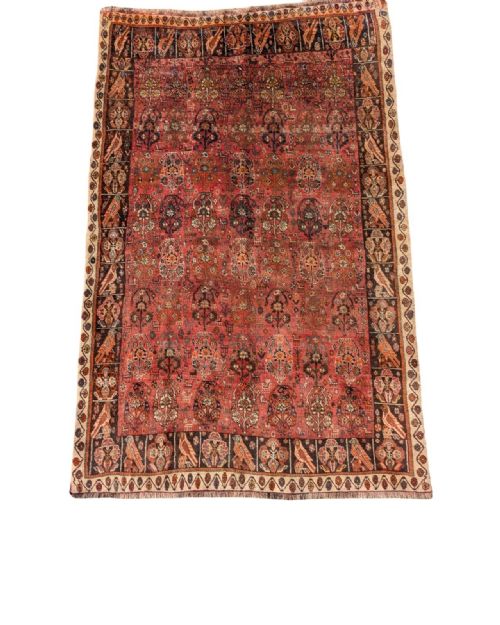
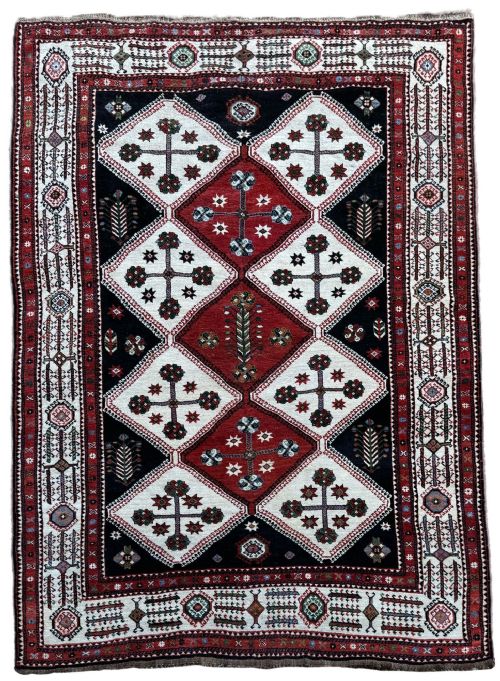
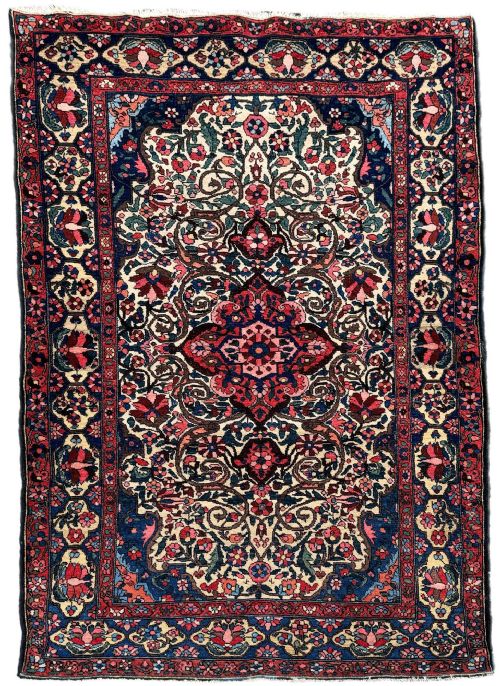
These navy wool tribal rug pieces are hand-woven tribal textiles from nomadic and village weaving traditions, prized for their rich, saturated indigo grounds and expressive geometric patterns.
Navy Wool Tribal Rug
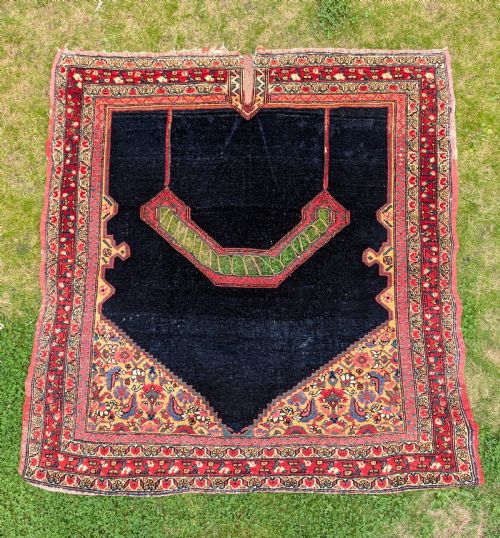
The forms extend beyond standard area rugs into fascinating utilitarian objects like double-faced saddle bags and half-saddlebag faces. These smaller tribal weavings often showcase the same meticulous knotting and symbolic iconography as larger carpets, offering an intimate glimpse into nomadic material culture. Whether a village prayer rug or a tribal carpet, each piece represents a distinct chapter in indigenous textile history.
Originating from tribal confederations and village communities, these weavings reflect the specific cultural vocabulary of groups such as the Qashqai, Afshar, and Tekke Turkmen. The pervasive use of deep navy wool grounds provides a dramatic backdrop for vibrant motifs like the boteh or the seh mihrab design. Every surviving example stands as a testament to traditional domestic production rather than industrial manufacture.
Materials and construction
The foundational architecture of these pieces relies on durable natural materials, predominantly utilising hand-spun wool and cotton. Weavers harvested fleece from regional flocks, hand-spinning the wool to create resilient yarns with varied texture and character. This traditional preparation ensures the dense pile and sturdy structure observed in surviving antique examples.
Colour is achieved through traditional natural dyes, yielding deep indigo navy tones alongside contrasting accents that mellow gracefully over time. These organic colourants interact uniquely with the wool, producing subtle tonal variations known as abrage across the field. The combination of hand-spun materials and natural dyeing techniques underpins the enduring structural integrity of these tribal textiles.
Navy Wool Tribal Rug Retail Price Guide 2026
Typical asking prices for navy wool tribal rug among the pieces listed under this phrase on Sellingantiques today, from the lower quarter to the upper quarter. They describe what is for sale here now, not the wider market.
Current listings span production dates from 1880 to 1920, utilising wool, hand-spun wool, natural dyes, and cotton.
Evaluating quality and execution
Quality in these tribal weavings rests upon the dexterity of the knotting and the density of the wool pile. Finer knot counts allow for crisper delineation of geometric motifs and complex field designs, separating standard village work from master tribal output. The integrity of the selvages and the security of the foundational warps further distinguish superior specimens.
The artistic merit of the composition and the subtlety of the colour palette dictate the upper tier of the range. Exceptional pieces demonstrate a confident command of proportion, balanced negative space, and harmonious natural dye combinations. The most desirable examples combine robust utility with inspired tribal iconography, executed by experienced hands within their respective weaving traditions.
The Navy Wool Tribal Rug Glossary
- Boteh
- A stylised almond or pear-shaped motif of ancient origin, frequently interpreted as a floral spray or flame. It appears prominently across various antique tribal weavings.
- Saddle bag
- A utilitarian double-pouch woven for transport on pack animals, often featuring intricate face designs that survive independently as collectible textile fragments today.
- Warp
- The vertical structural threads stretched tightly on the loom, carrying the tension of the weave. The exposed warp ends frequently terminate in decorative fringes at either end of the rug.
Navy Wool Tribal Rug: Frequently Asked Questions
How do I identify a genuine tribal rug?
Authentic pieces display the irregular characteristics of hand-spun wool and natural dye variations across the pile. Examination of the reverse reveals handmade foundations and knotting inconsistencies typical of nomadic production.
Traditional tribal weavings lack the mechanical uniformity of factory-made carpets. Look for spontaneous design shifts and natural material ageing that indicate genuine antique provenance.
Where were these tribal rugs made?
These textiles originate from nomadic confederations, villages, and tribal groups across Persia, Afghanistan, and Central Asia. Specific groups like the Qashqai and Turkmen produced distinctive local styles.
Production occurred within domestic or nomadic settings rather than urban workshops. Each region developed specific colour palettes and symbolic motifs unique to its cultural heritage.
How should I care for antique wool rugs?
Protect antique wool textiles by vacuuming gently with suction only, avoiding the rotating brush bars that can damage delicate old pile. Professional conservation cleaning is recommended for deep maintenance.
Keep the rugs out of direct sunlight to prevent natural dye fading over time. Using a quality underlay helps cushion the foundation and prevents slipping on hard floors.
What does a saddle bag face represent?
A saddle bag face is the decorative front panel of a utilitarian transport pouch woven by nomadic women. These pieces functioned as practical storage during seasonal migrations.
Today, surviving bag faces are collected as concentrated examples of tribal artistry. They pack the complex iconography of a large carpet into a smaller, accessible format.