


Navy Wool Flatweave Rug
A navy wool flatweave rug brings tribal geometry and rich indigo dye work into a room through centuries-old nomadic weaving traditions.
Navy Wool Flatweave Rug
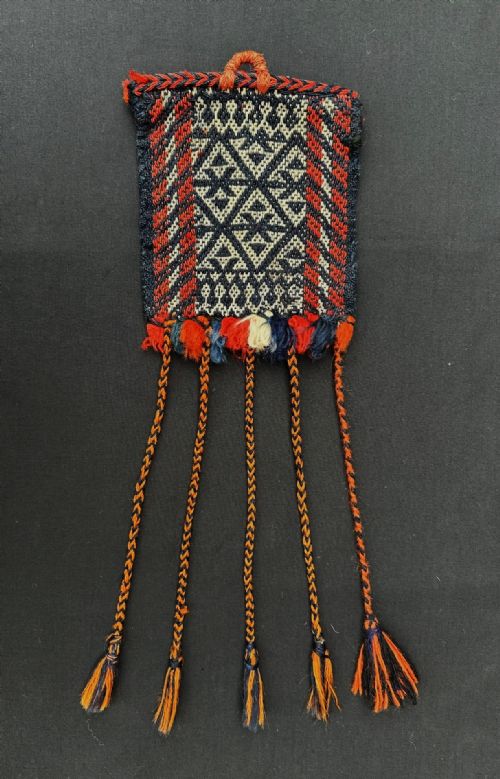
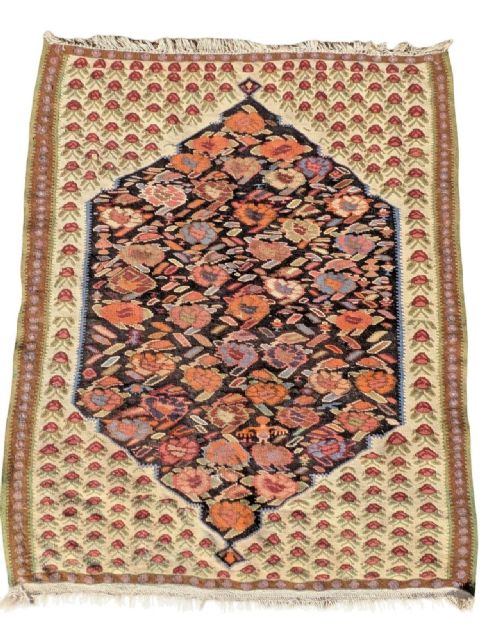
When you search for a navy wool flatweave rug, you encounter pileless nomadic textiles originating from Persian, Caucasian, Central Asian, and Balkan tribal workshops. These pieces include kilims, soumaks, and utilitarian dining sofrehs produced across the late nineteenth and early twentieth centuries.
The version you meet most frequently on this page is an antique tribal kilim or flatweave carpet, often woven in narrow runner proportions or square formats by weavers such as the Baluch, Afshar, Uzbek, and Yomut Turkmen. These textiles rely on structural weave techniques rather than knotted piles to display their geometric motifs.
How they were made
Weavers constructed these flatweaves using hand-spun wool and cotton foundations, manipulated through precise slit-tapestry or soumak wrapping techniques. The resulting textiles achieve a durable, flat surface texture without any raised pile.
Colour comes from natural and vegetable dyes, producing deep indigo and navy grounds that anchor intricate banded, chevron, and tribal animal designs. These dyestuffs interact with the wool fibres to create subtle tonal variations across the surface.
Listings feature wool, hand-spun wool, and vegetable or natural dyes across periods spanning the late nineteenth through the early twentieth century.
What varies in quality
Quality rests upon the fineness of the weave and the crispness of the geometric design work executed by the tribal weaver. Tighter structural packing and sophisticated handling of banded patterns elevate an example above standard utility pieces.
The integrity of the natural dyes and the preservation of the original flatweave ends or plain weave backs dictate the standing of a textile. Superior specimens retain their structural geometry and rich indigo saturation without heavy intervention.
The Navy Wool Flatweave Rug Glossary
- Kilim
- A flatwoven carpet or rug produced by tightly interweaving warp and weft strands to create a smooth surface without pile. These textiles often feature sharp geometric patterns.
- Soumak
- A brocade-like flatweaving technique where decorative weft threads are wrapped over and under the warp threads. This method adds structural weight and intricate surface detail.
- Sofreh
- A flatwoven spread or cloth traditionally used for dining, kneading bread, or serving meals within nomadic households. They frequently display long formats and banded tribal motifs.
- Palas
- A traditional term for a flatwoven rug or cover, often associated with Turkmen or regional nomadic weaving traditions. These pieces utilise durable wool construction.
- Warp
- The stationary vertical threads stretched upon a loom that form the structural foundation of the rug. Weft threads are passed through these foundational strands.
Navy Wool Flatweave Rug: Frequently Asked Questions
How do I clean a flatweave rug?
Maintenance requires gentle surface brushing and regular vacuuming without a rotating power head to protect the flat structure. Professional textile cleaning is necessary for deeper care.
Water exposure should be kept minimal to preserve the natural vegetable dyes within the wool fibres.
Are flatweaves durable for floors?
Their dense wool construction and flat structure make them well suited for everyday interior placement when paired with a quality underlay. The absence of pile prevents the crushing common in traditional carpets.
High-traffic areas benefit from regular rotation to ensure even wear across the textile.
How do I date an antique flatweave?
Dating relies on examining the specific natural dye palette, the spin of the wool, and the structural characteristics native to late nineteenth and early twentieth-century production. Stylistic markers within the tribal motifs also point to specific manufacturing eras.
Comparative analysis with documented examples helps narrow down the period of origin.