


Navy Oriental Carpet
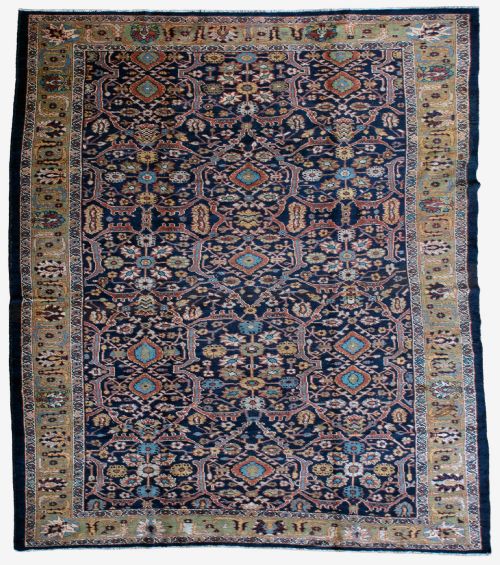
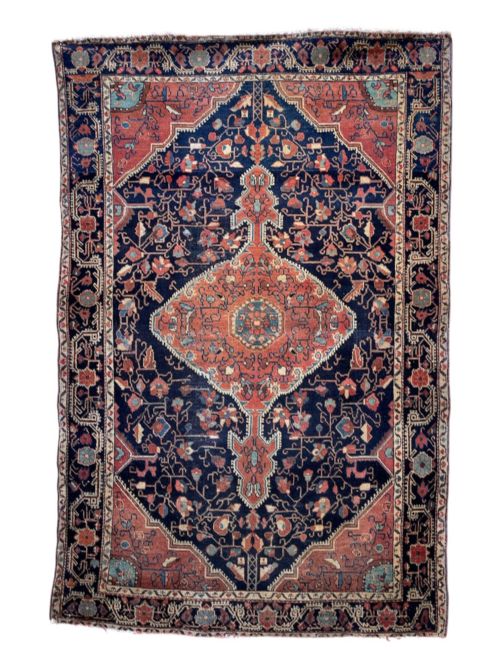
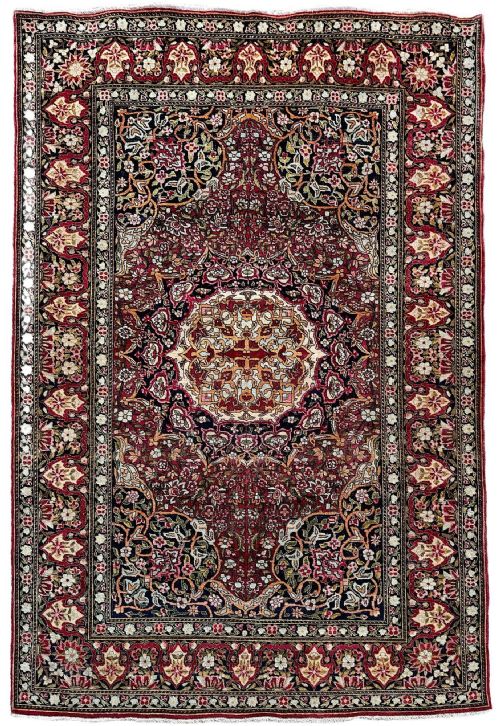
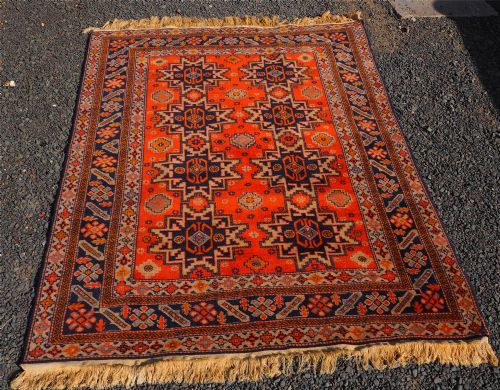
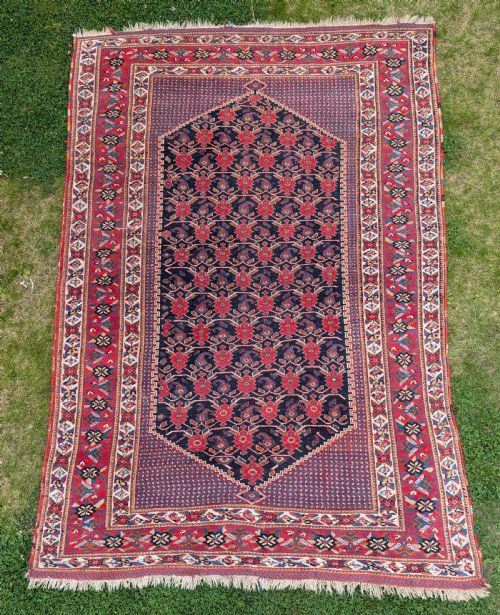
A navy oriental carpet brings deep indigo tones and intricate tribal geometry into a room, offering centuries of woven heritage.
Navy Oriental Carpet
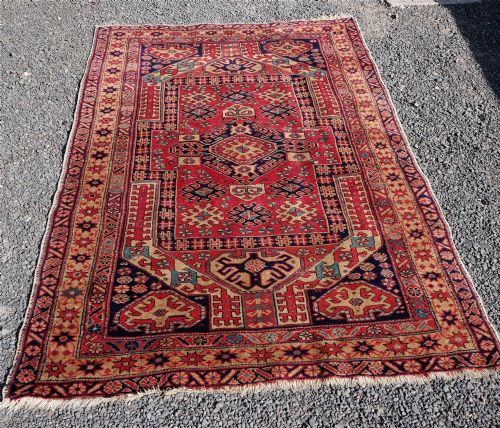
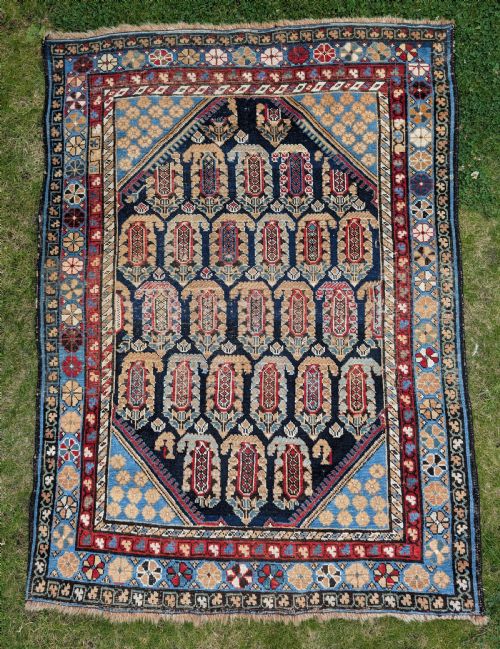
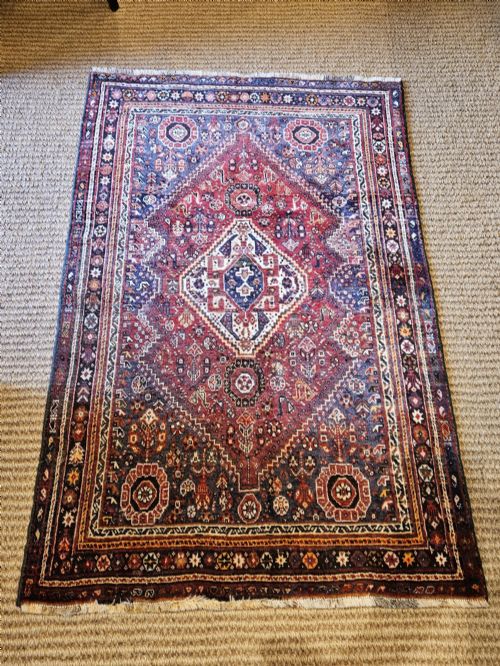
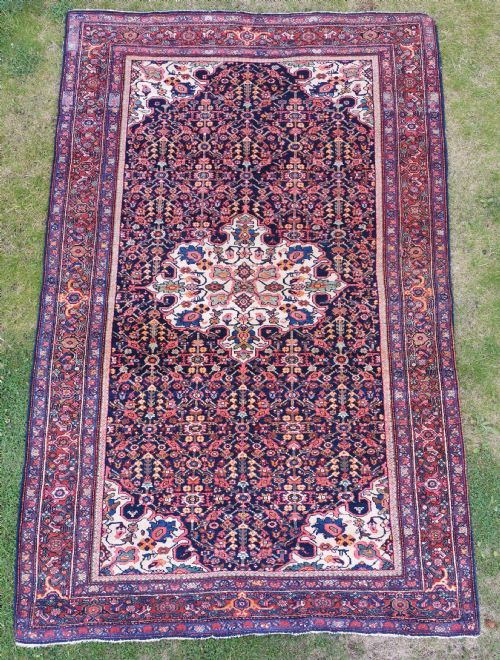
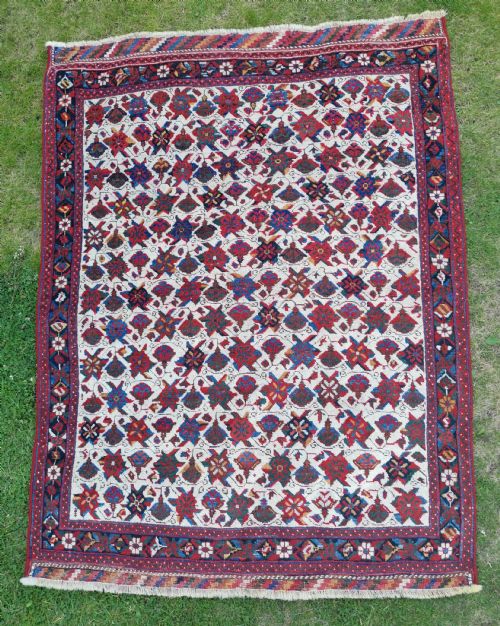
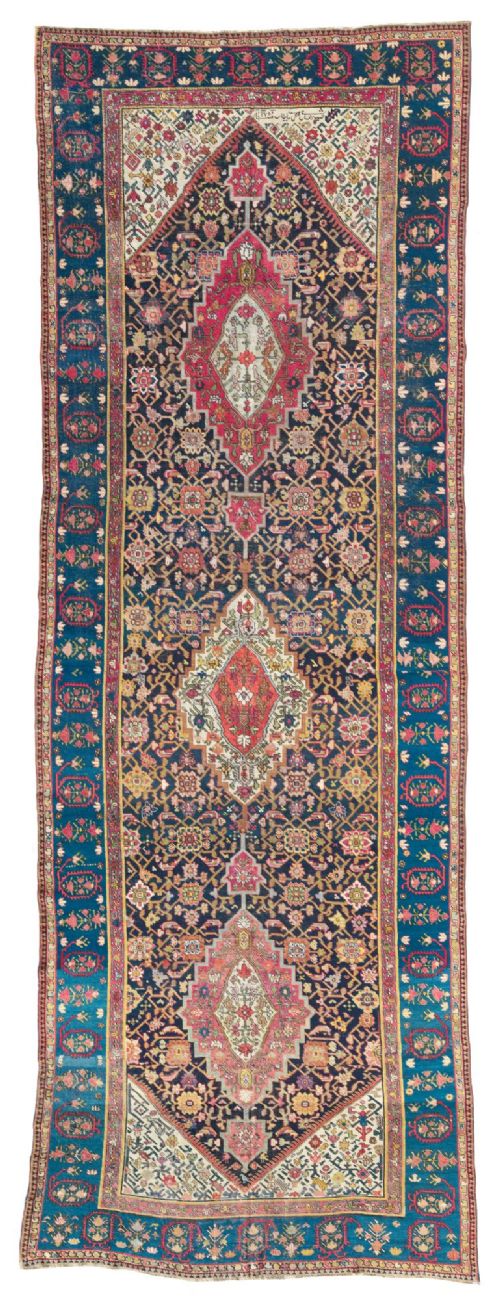
When someone searches for a navy oriental carpet, they are looking at heavy floor coverings spanning the nineteenth and early twentieth centuries, originating from Persia and the Caucasus. These pieces include large area rugs, long hallway runners, and smaller prayer rugs or cushions.
The selections on this page draw from traditional styles such as Heriz, Mahal, Isfahan, and Baluch tribal weaves. Buyers will frequently encounter room-sized carpets alongside narrow runners and village formats displaying rich indigo fields.
Makers from various regional confederacies and towns produced these textiles, utilising distinctive geometric medallions, all-over lattice patterns, and tree of life motifs. Each piece reflects the specific weaving traditions of its district.
How they were made
These carpets rely on hand-spun wool and cotton foundations, with occasional silk highlights woven by hand. Artisans knotted the pile tightly by hand onto vertical or horizontal looms.
Natural dye stuffs provided the deep navy blues and contrasting madder reds, grounding the geometric and floral compositions. The interaction of hand-spun fibres with traditional dye baths creates the subtle abrash tonal variations seen across the surface.
Listings feature pieces spanning from the mid nineteenth century through the 1930s, utilising wool, cotton, and hand-spun wool.
What varies in quality
Knot density and the precision of the design execution set the finer workshop pieces apart from coarser village or tribal work. A tighter weave allows intricate curved motifs and crisp geometric lines to hold their definition over decades of use.
The integrity of the foundation and the preservation of the original hand-knotted borders determine the structural merit of a carpet. Uniform pile height and stable cotton or wool warps indicate careful past maintenance.
The Navy Oriental Carpet Glossary
- Abrash
- Natural variations in colour depth across a rug, caused by shifts in dye batches or hand-spun wool lots.
- Kelleh
- A long, narrow format carpet traditionally suited to specific room layouts.
- Mihrab
- A niche design element found in prayer rugs, often indicating the direction of prayer.
- Medallion
- A central ornamental motif dominating the field of the carpet.
- Runner
- A long and narrow carpet format designed for hallways and corridors.
Navy Oriental Carpet: Frequently Asked Questions
How do I place a navy carpet in a modern room?
A navy oriental carpet anchors contemporary furniture by providing a dark, grounding base that balances neutral walls and minimalist timber floors.
The deep blue tones act as a neutral backdrop while the traditional patterns introduce texture and historical character to the space.
How do I care for an antique wool rug?
Regular gentle vacuuming without a rotating brush roll prevents dust from settling into the hand-knotted pile.
Professional specialist cleaning remains essential every few years to preserve the lanolin in the wool and protect the natural dyes.
What is the difference between village and workshop carpets?
Village and tribal rugs typically display bolder, geometric memory-based designs woven on household looms by nomadic or village groups.
Workshop carpets involve formal cartoon designs, finer knot counts, and urban production centres like Isfahan or Tabriz.
How do I distinguish Persian from Caucasian rugs?
Persian weaving frequently employs flowing floral curves, central medallion layouts, and intricate border systems developed in established towns.
Caucasian carpets lean towards starker geometry, bold primary colours, and angular tribal motifs originating from the Caucasus mountain region.