

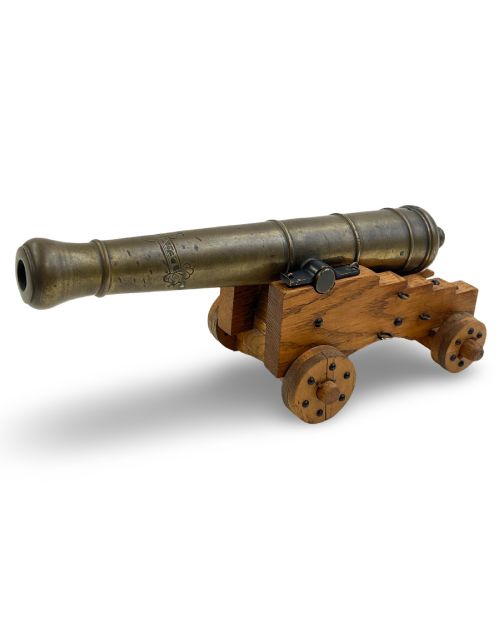


Naval Signalling Cannon
Naval signalling cannon pieces are sturdy maritime artillery models designed to fire blank charges, highly sought after by collectors of historic nautical militaria.
Naval Signalling Cannon
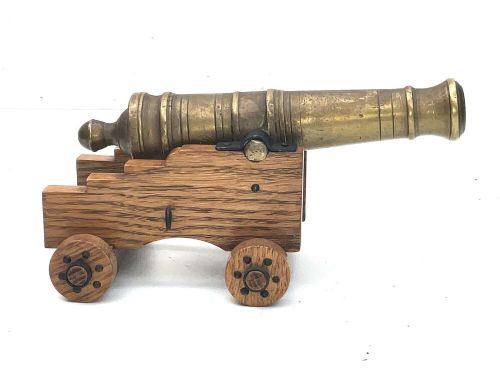
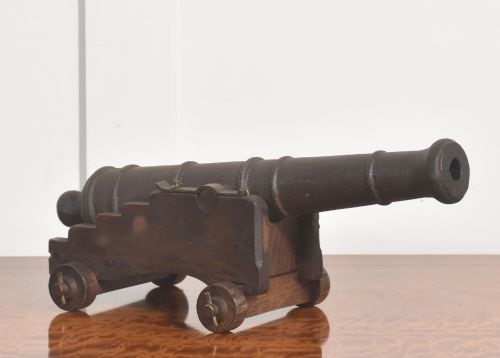
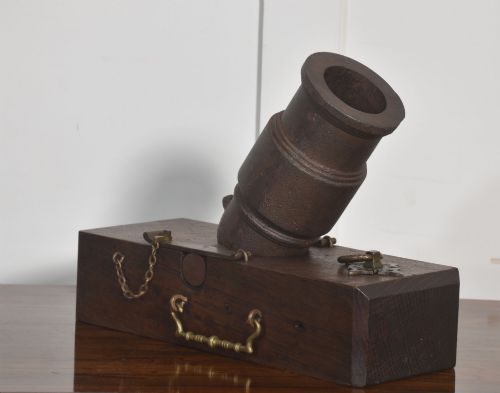
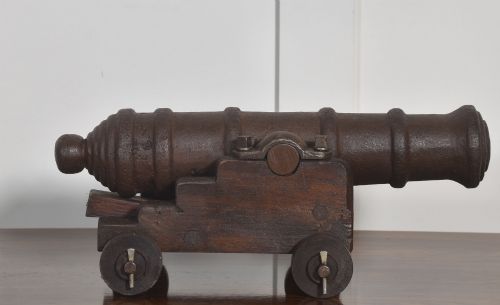
Naval signalling cannon items encompass historic ordnance models and signal mortars from the eighteenth and nineteenth centuries. These pieces were utilised at sea or ashore to fire blank charges for communication, ceremony, or timekeeping. When searching for a naval signalling cannon, buyers typically encounter sturdy desk ornaments and brass models mounted on timber carriages.
How they were made
Foundries cast these heavy barrels using durable metals such as bronze, brass, cast iron, and polished steel. Metalworking techniques produced both utilitarian ordnance and refined decorative models intended for display.
Gunsmiths and cabinetmakers mounted the metal barrels onto wooden carriages shaped from oak and mahogany. These timber undercarriages provided a stable base for the artillery and completed the miniature shipboard aesthetic.
Naval Signalling Cannon Retail Price Guide 2026
Typical asking prices for naval signalling cannon among the pieces listed under this phrase on Sellingantiques today, from the lower quarter to the upper quarter. They describe what is for sale here now, not the wider market.
Listings feature items cast in bronze, brass, cast iron, and steel, mounted on oak and mahogany carriages across the eighteenth and nineteenth centuries.
What varies in quality
Quality in a naval signalling cannon rests on the crispness of the metal casting and the fidelity of the proportions. Finer examples display sharp factory or foundry inscriptions, clean bore finishing, and balanced carriage construction.
The choice of materials and the condition of the wooden undercarriage strongly influence the character of each piece. Well-preserved timbers paired with heavy bronze or cast iron demonstrate superior craftsmanship compared to plain utility models.
The Naval Signalling Cannon Glossary
- Signal cannon
- A small piece of ordnance utilised to fire blank charges for communication or celebration. These artillery models were commonly employed on vessels and at coastal stations.
- Carriage
- The mounting frame that supports the cannon barrel. These are typically fashioned from sturdy hardwoods such as oak or mahogany.
- Militaria
- Antiques and collectables connected with military history, warfare, and armed forces. This category encompasses naval ordnance and commemorative items.
- Mortar
- A short, thick-walled piece of artillery designed to fire projectiles at a high angle. Signal mortars served a similar communicative purpose to standard cannons.
Naval Signalling Cannon: Frequently Asked Questions
What was a naval signalling cannon used for?
These pieces were employed aboard ships and at shore stations to communicate across distances through loud reports and smoke. They also served ceremonial functions and acted as timepieces.
Captains utilised them to signal other vessels in poor visibility or to summon assistance. Ashore, they frequently marked the opening or closing of the working day.
How do I date a signal cannon?
Dating relies upon examining the metal alloy, casting style, and the construction methods of the wooden carriage. Inscriptions and commemorative markings often provide direct chronological clues.
Comparison with documented nineteenth-century and eighteenth-century examples helps confirm the period. Experts also inspect the tooling marks on the metal surface.
Are these cannons still operational?
Most antique signal cannons found on the market are sold as decorative objects or historic artefacts. Firing antique ordnance requires rigorous professional inspection and testing.
Collectors generally preserve them in static collections rather than attempting to discharge them. Modern safety standards make firing historic cast iron or bronze unsafe without specialist restoration.
What woods were used for carriages?
Cabinetmakers and military carpenters utilised durable hardwoods that could withstand the recoil and weight of the metal barrel. Oak and mahogany are frequently encountered in these listings.
These timbers were often polished or finished to complement the bronze or iron components. The grain and colour of the wood vary according to the origin of the piece.