


Nautical Wall Artwork
When you search for nautical wall artwork, you are looking at centuries of maritime history captured on paper and canvas.
Nautical Wall Artwork
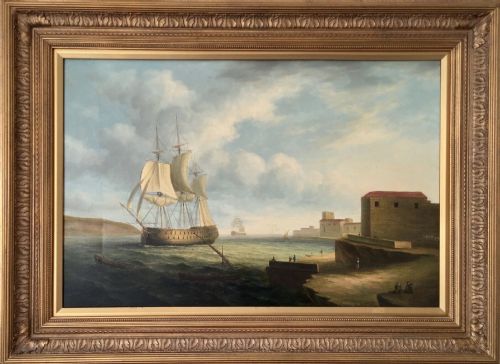
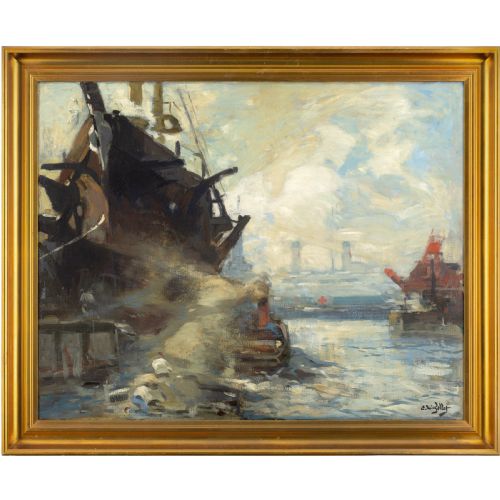
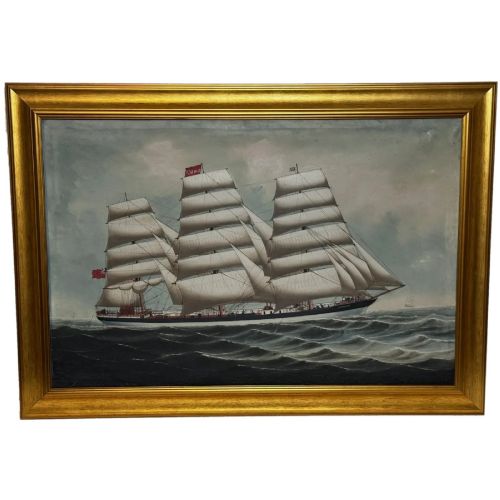
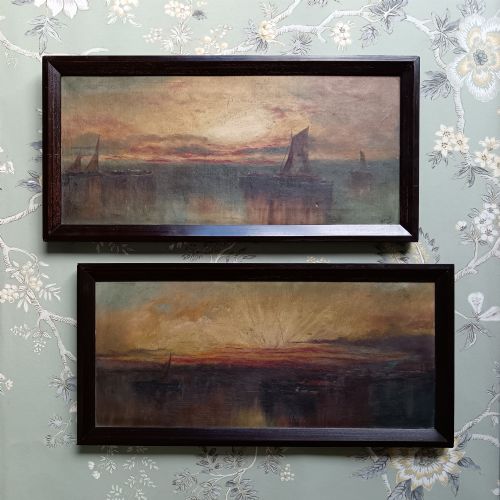
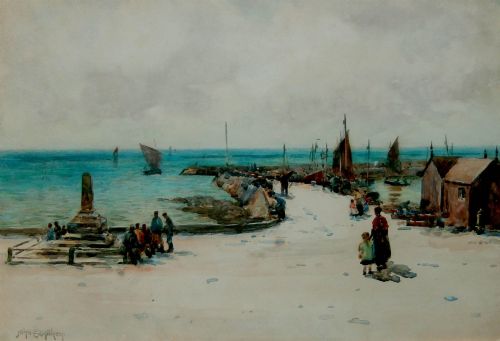
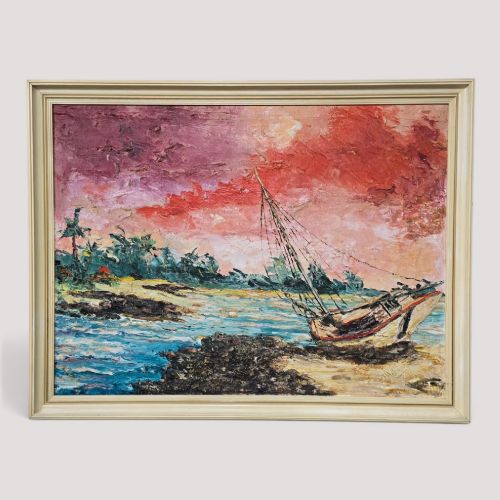
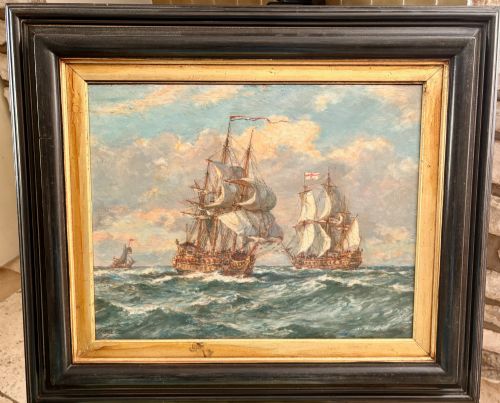
Nautical wall artwork encompasses oil paintings, watercolours, gouache, and etchings depicting ships, harbours, and coastal scenes. The selections on this page span from the nineteenth century through the mid twentieth century, featuring British, European, and colonial subjects.
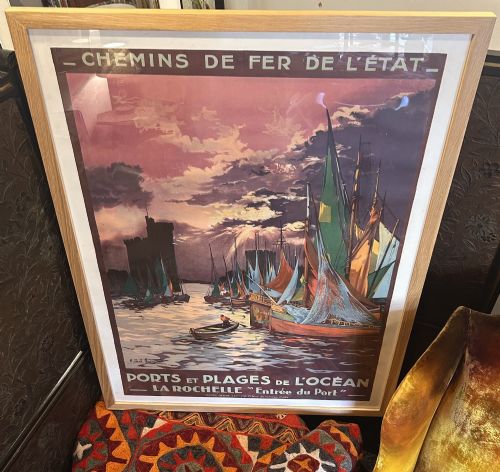
Most pieces you will encounter are framed works on canvas, board, or paper, often reflecting Victorian or Edwardian maritime traditions. You will find everything from detailed historical vessel portraits to atmospheric impressionist seascapes and railway posters.
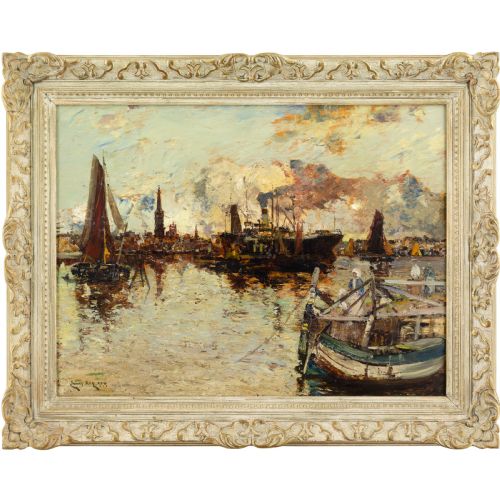
Subjects range from merchant barques and warships to local fishing boats and bustling ports like Valletta or Dublin Bay. These works document the maritime heritage of an era when shipping dominated international trade and transport.
How they were made
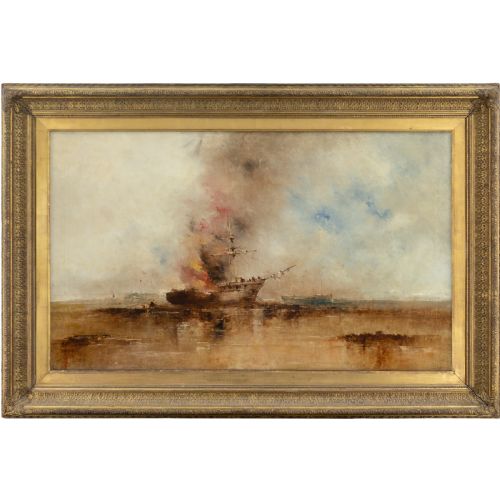
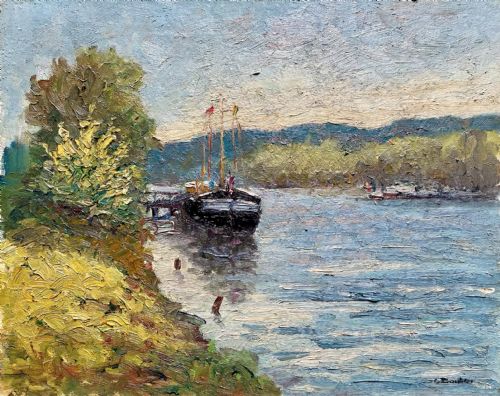
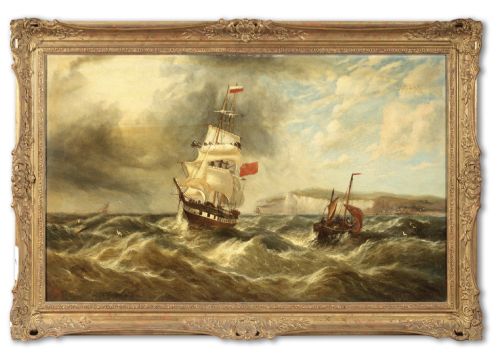
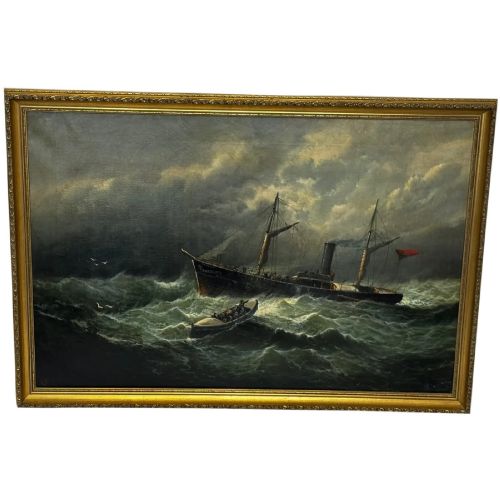
Artists utilised oil paint on canvas or wooden panel to build rich, textured surfaces capable of rendering turbulent seas and atmospheric skies. Watercolours and gouache on paper offer a lighter, more transparent medium frequently employed for coastal views and harbour scenes.
Many works are housed in their original gilt frames, which complement the maritime subject matter. Etchings provide a linear, monochromatic alternative created through inked metal plates pressed onto fine paper.
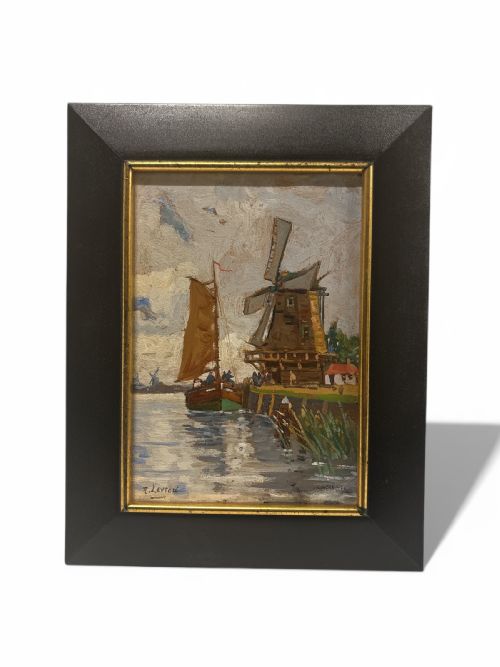
A hospital ship in wartime shares space with tranquil Dutch boats in a gale.
What varies in quality
The sophistication of brushwork and the artist's understanding of maritime anatomy define the upper tier of these works. A skilled hand accurately portrays rigging, hull construction, and the interaction of light on water.
Provenance and documentation also influence standing, as signed works by recognised marine painters carry stronger historical attribution than anonymous pieces. The preservation of the original paper, canvas, and framing contributes significantly to the integrity of the piece.
James Hardy·Kenneth Cozens·James Orrock·Eugène-Louis Gillot·William McAlpine·Reginald Arthur Borstel·John E. Aitken·John Rose Miles·James Kay·William Broome·Bernard Gribble·William Lionel Wyllie·Bonaventura Peeters·F. Corpuz·Peter Brannan·Paul Bret·Lucy Pratt·Willem Bos·TB Hardy·John Wilson Carmichael·Richard B. Spencer·William Henry Williamson·Bernard Benedict Hemy
The Nautical Wall Artwork Glossary
- Gouache
- An opaque watercolour paint that dries to a matte finish, often used for crisp detail in maritime illustrations.
- Barque
- A sailing vessel with three or more masts, commonly depicted in nineteenth-century maritime art.
- Etchings
- Prints produced by scratching an image into a metal plate coated with acid-resistant ground, then submerging it in acid before printing.
- Post-Impressionism
- An art movement extending beyond impressionism that focused on symbolic content and vivid colours.
- Provenance
- The chronological history of ownership of a piece, establishing its authenticity and origin.
Nautical Wall Artwork: Frequently Asked Questions
How do I care for antique watercolours?
Keep watercolours away from direct sunlight to prevent the pigments and paper from fading over time. Glazing them with UV-filtering glass provides an extra layer of protection.
Ensure they are hung in rooms with stable humidity levels to avoid moisture damage to the paper and the backing materials.
How can I tell the period of a maritime painting?
Look at the type of vessel depicted, as steamships, three-masted schooners, and modern merchant barques correspond to specific decades of technological development. Clothing styles of figures on the shore or deck also offer strong chronological clues.
Artist signatures, framing styles, and stretcher construction provide further physical evidence for dating.
Are these works original or reproductions?
The listings on this page consist of original period paintings, watercolours, gouache works, and vintage prints rather than modern mass-produced reproductions. Close inspection under magnification reveals the brushstrokes, ink distribution, or plate marks characteristic of period production.
Signatures and historical exhibition labels often accompany these authentic pieces.
What is the difference between a marine oil and a watercolour?
Marine oils are painted on canvas or wooden boards using thick, slow-drying pigments that allow for rich layering and dramatic texture. Watercolours use water-soluble pigments on paper, resulting in a luminous and transparent finish.
Oils were typically chosen for grand, stormy seascapes, while watercolours captured lighter coastal atmospheres.