


Nautical Oil Wall Painting
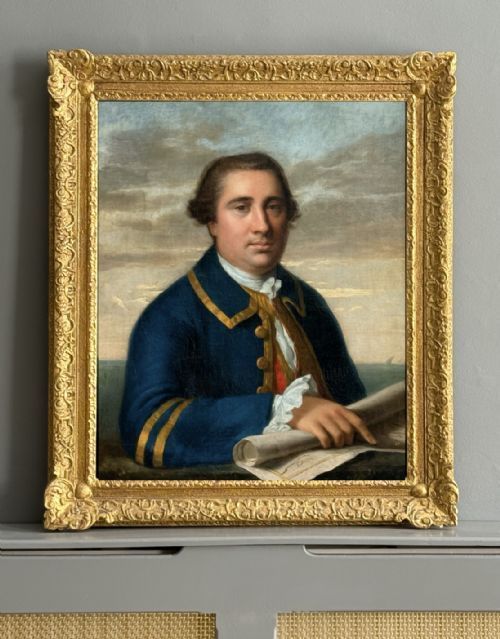
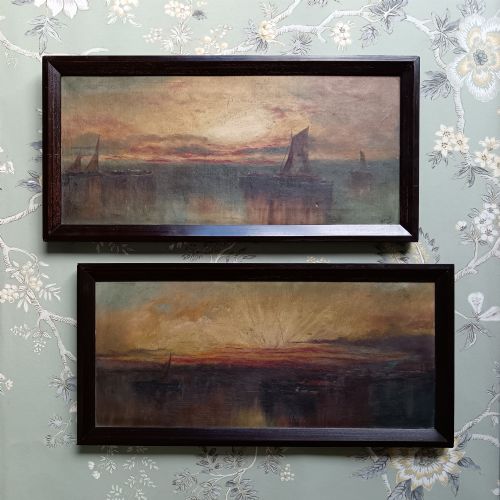
When you search for a nautical oil wall painting, you uncover centuries of maritime history captured on canvas and panel by skilled marine artists.
Nautical Oil Wall Painting
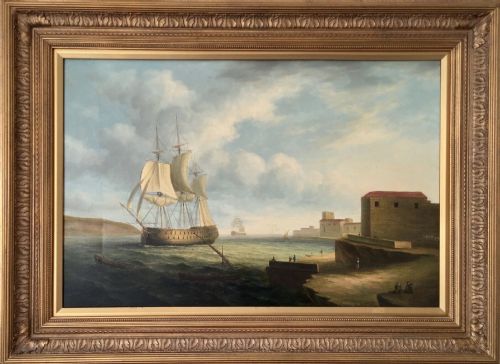
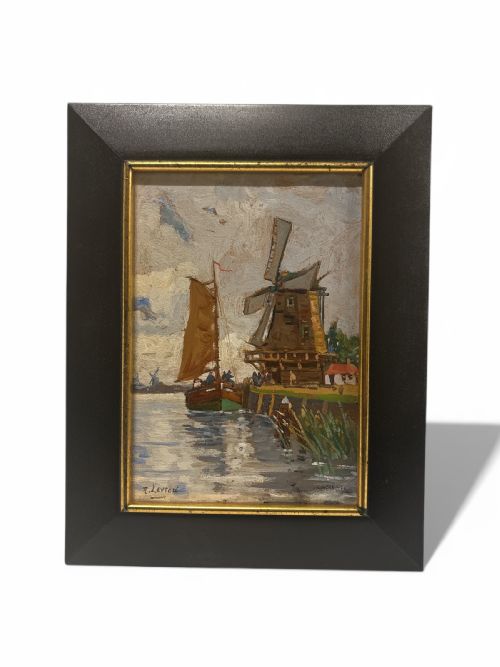
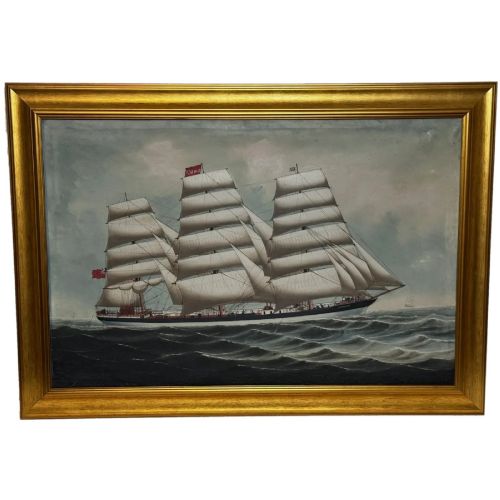
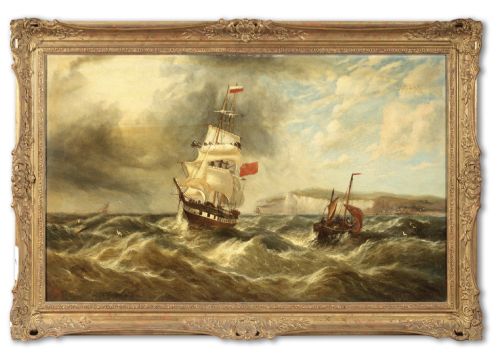
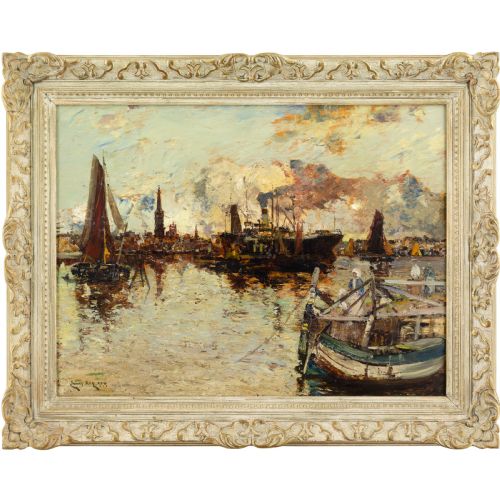
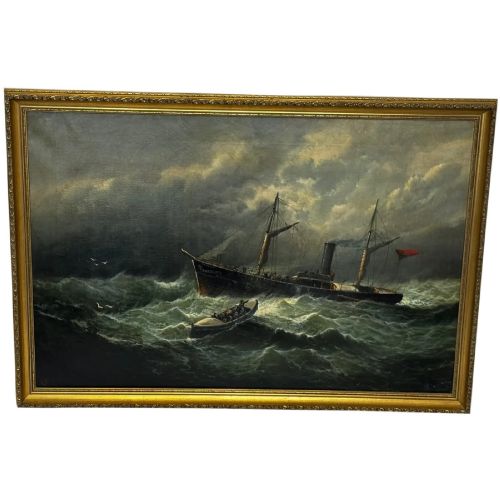
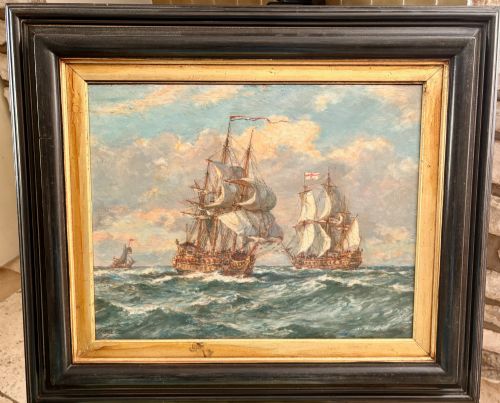
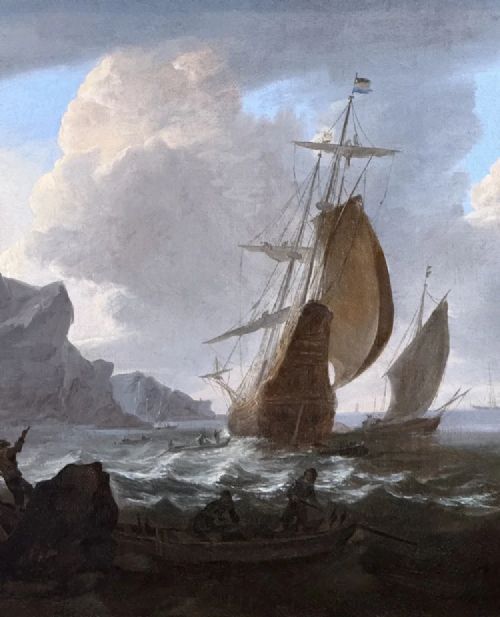
A nautical oil wall painting captures maritime subjects, ranging from naval battles and merchant ships to quiet coastal landscapes and busy harbour scenes. These works appear across various periods, including Victorian, Edwardian, and mid-twentieth-century eras, reflecting changing artistic interpretations of the sea.
The most common examples encountered on this page date from the nineteenth and early twentieth centuries, often rendered in traditional academic styles or later impressionist approaches. Artists frequently depict specific vessels, dramatic storms, or peaceful anchorages using oil paint on canvas, board, or panel.
Subjects stretch from grand historical warship portrayals to modest fishing boats off local coasts. Buyers select these paintings to bring authentic maritime heritage and historical narrative into domestic or institutional interiors.
How they were made
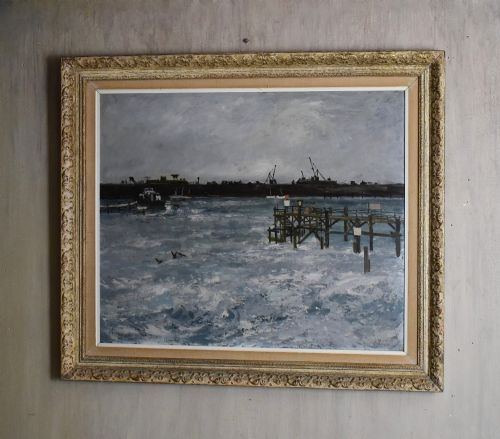
Makers rely primarily on oil paint applied to woven canvas supports or wooden panels, utilising brushes and palette knives to build texture and depth. Many surviving examples retain their original gilt or giltwood frames, which complement the maritime subject matter.
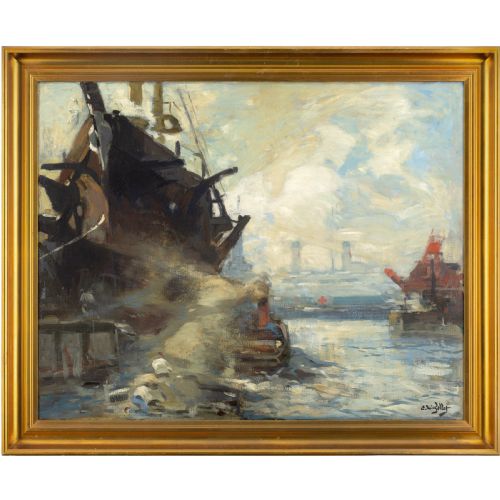
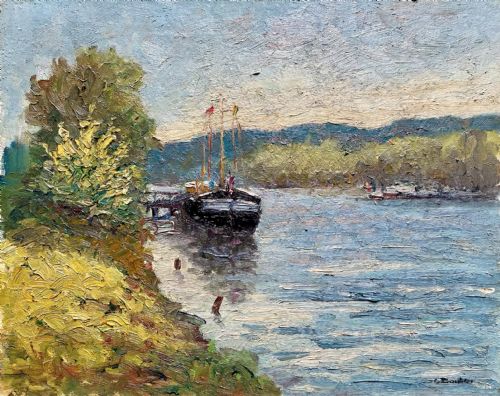
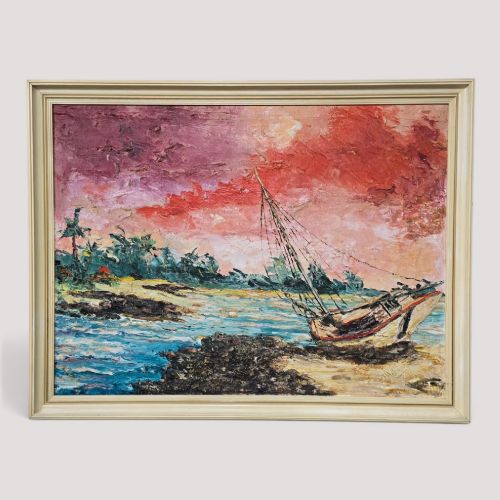
Techniques range from smooth, highly detailed realism favoured by nineteenth-century marine specialists to looser, impasto brushwork seen in later post-impressionist and twentieth-century works. Pigments are layered to capture the shifting light on water, turbulent storm seas, and atmospheric coastal skies.
Styles represented include Victorian Maritime, Maritime Realism, and Post-Impressionism.
What varies in quality
Quality rests on the artist's command of perspective, anatomy of vessels, and the fluid movement of water and light. Superior works demonstrate a precise understanding of maritime rigging and structural detail combined with confident brushwork.
Condition and originality also dictate standing, with works retaining their untouched surfaces and period frames commanding greater appreciation. The ability of the painter to evoke atmosphere and drama separates standard decorative records from accomplished fine art.
James Hardy·Kenneth Cozens·R Leyton·Eugène-Louis Gillot·William McAlpine·Reginald Arthur Borstel·Lemuel Francis Abbott·B. Nash·John Rose Miles·James Kay·William Broome·Bernard Gribble·Bonaventura Peeters·F. Corpuz·Peter Brannan·Paul Bret·Lucy Pratt·Willem Bos·John Wilson Carmichael·Nicholas Condy·Richard B. Spencer·William Henry Williamson·Bernard Benedict Hemy·Abraham Hulk I·Elisabeth Bardon
The Nautical Oil Wall Painting Glossary
- Marine painting
- A work of art depicting ships, the sea, or coastal views. These pieces document naval history and maritime commerce.
- Impasto
- Paint applied thickly to a canvas or panel so that the brush or palette knife marks stand out. This technique adds tactile dimension to waves and skies.
- Panel
- A rigid flat surface made of wood used as a support for painting before canvas became dominant. Many early works utilise prepared wooden boards.
- Giltwood
- Wood carved and covered with a thin layer of gold leaf or gilt. Antique frames are frequently constructed in this manner to house fine art.
Nautical Oil Wall Painting: Frequently Asked Questions
How do I date an old marine painting?
Dating relies heavily on the style of the vessels depicted, artist signatures, and the physical composition of the canvas and frame. Uniformity in materials often points to specific periods like the Victorian or Edwardian eras.
Examining the stretcher bars, backing boards, and any handwritten inscriptions on the reverse provides further clues. Expert opinion helps align stylistic traits with documented working dates of known painters.
What subjects are most common in maritime art?
Common subjects include sailing ships in rough seas, merchant vessels, naval engagements, and quiet coastal harbours. Artists frequently recorded actual historical ships and documented naval expeditions.
Lesser-known vessels like local fishing boats and tugs also appear frequently. These scenes offer a direct record of historical seafaring trades and coastal life.
How should I care for an oil painting on canvas?
Keep paintings away from direct sunlight, high humidity, and rapid temperature fluctuations to prevent the canvas and paint from cracking. Dust the surface gently with a soft, dry brush without applying pressure.
Avoid using water, chemical cleaners, or damp cloths on the painted surface. Professional conservators should handle any deep cleaning or structural repairs.