


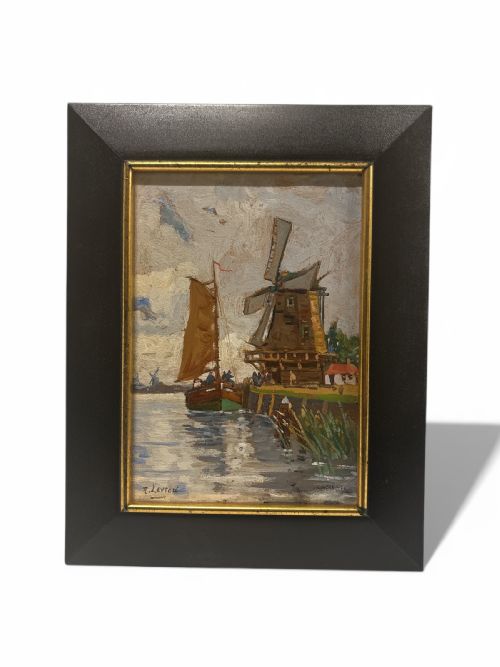

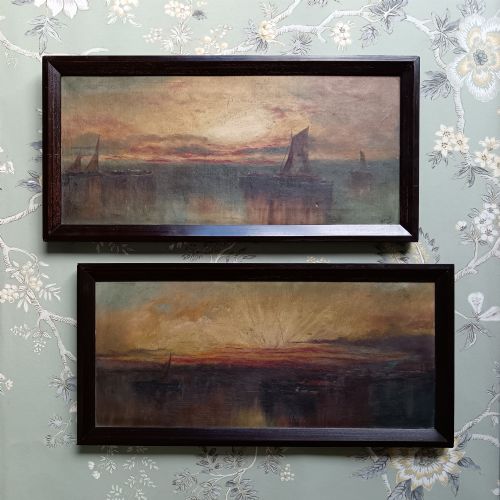

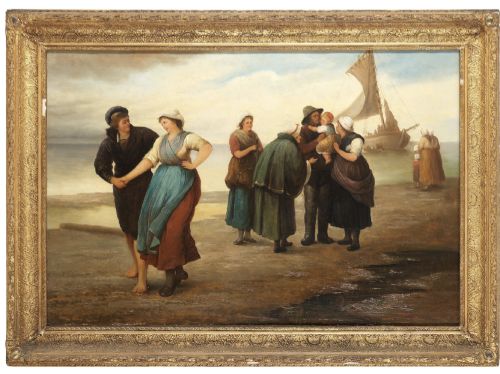
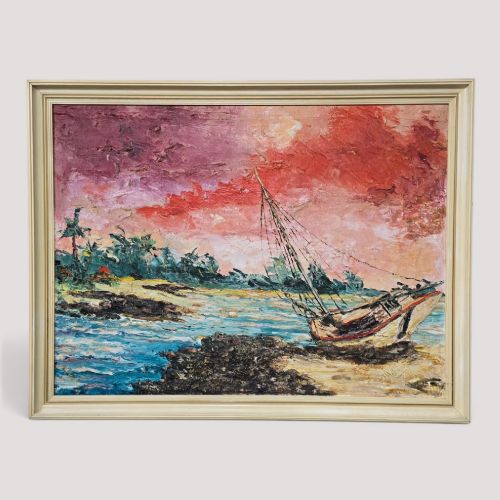

Nautical Coastal Landscape Painting
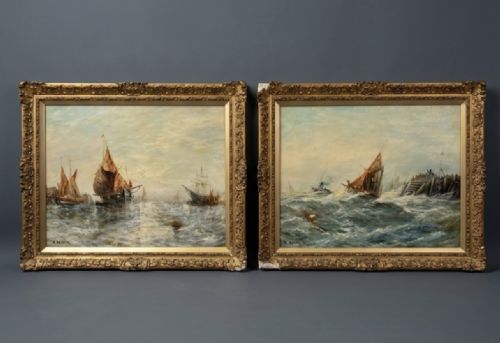
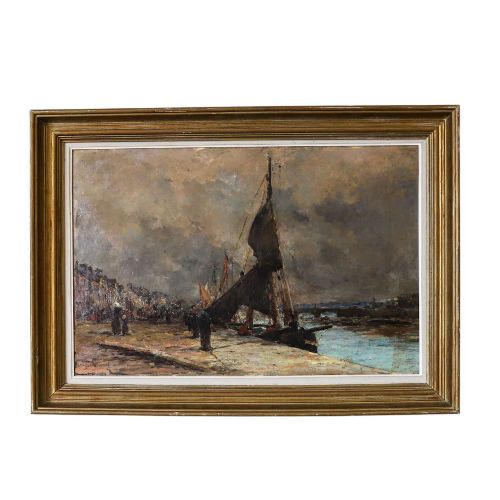
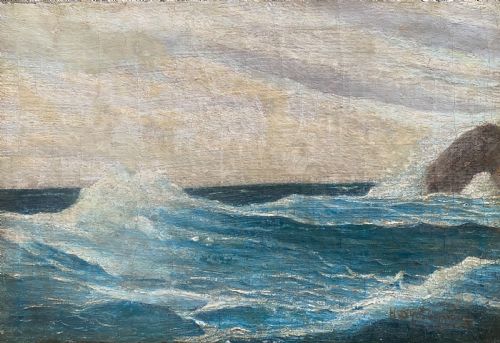
These works capture maritime subjects and coastal views, offering buyers authentic depictions of historical shipping and shores.
Nautical Coastal Landscape Painting
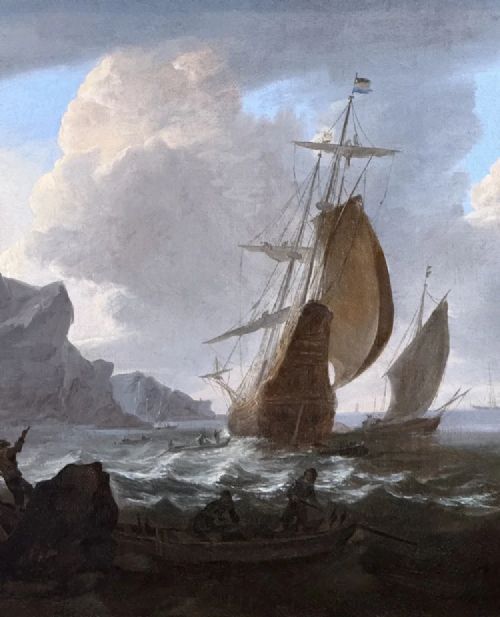
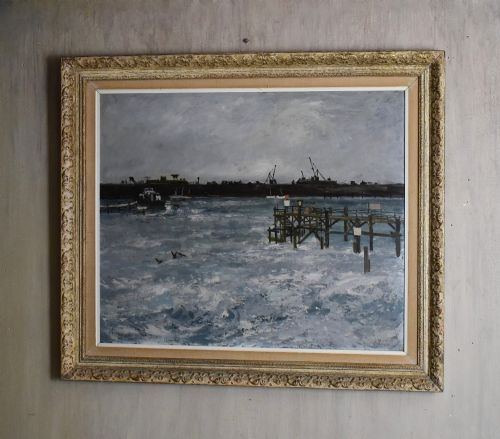
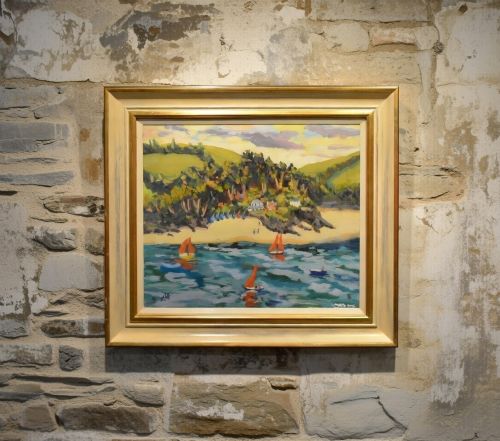
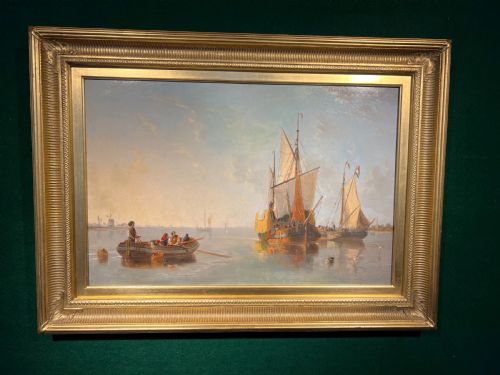
A nautical coastal landscape painting depicts marine views, harbour scenes, and coastal activities through various historical periods. The works appearing here span from the 17th century through the Victorian era and into the mid 20th century.
Buyers encounter oil paintings on canvas or board alongside detailed watercolours on paper. Many pieces feature sailing ships, fishing boats, and coastal towns rendered by named artists and regional schools.
Materials and Technique
Artists relied primarily on oil paint applied to stretched canvas or wooden boards, allowing for rich textures and layered depictions of sea and sky. Watercolours on paper provide lighter, translucent effects for coastal atmospheres.
Surviving examples frequently retain their original gilt wood frames, which complement the maritime subjects. Pigments and brushwork reflect the academic and impressionist techniques of their respective periods.
The selection includes works executed in oil on canvas, oil on board, and watercolour on paper, spanning multiple centuries.
Evaluating Quality
Quality rests upon the artist's ability to render light, movement, and maritime architecture convincingly. Works by accomplished painters display confident brushwork and precise atmospheric conditions over formulaic compositions.
Condition of the canvas, stability of the oil paint or watercolour pigments, and the integrity of the frame influence the standing of an individual piece.
Kenneth Cozens·James Orrock·Bonaventura Peeters·Peter Brannan·John Wilson Carmichael·John Moore of Ipswich·William Henry Williamson·Thomas Bush Hardy·Abraham Hulk Snr·George Gregory
The Nautical Coastal Landscape Painting Glossary
- Oil on Canvas
- Pigment mixed with drying oil applied to a woven fabric support stretched across a wooden frame. This method was standard for durable, large scale maritime works.
- Watercolour
- A paint consisting of colour suspended in a water soluble vehicle, typically used on paper. It allows artists to capture translucent effects in coastal scenes.
- Seascape
- A work of art depicting the sea, coastal views, shipping, or marine engagements. These subjects formed a major category in 19th century British and European art.
- Gilt Wood
- Wood carved and coated with gold leaf or metallic powder, commonly used for framing historical paintings. Original frames enhance the period context of the artwork.
Nautical Coastal Landscape Painting: Frequently Asked Questions
What subjects appear in these paintings?
The works display sailing ships, fishing vessels, harbours, and coastal scenery under varying weather conditions. Scenes range from calm shores to dramatic gales at sea.
Artists recorded specific locations across Britain, Europe, and beyond, documenting maritime life and coastal topography from past centuries.
How do I hang a heavy oil painting?
Large oil canvases in gilt wood frames require secure wall fixings into masonry or timber studs. Heavy pieces need appropriate picture wire and multiple load bearing hooks.
Position the work away from direct sunlight and fluctuating heat sources to protect the canvas and paint layers.
Are watercolours different from oil paintings?
Watercolours use water soluble pigments on paper and require glass protection when framed. They offer delicate tonal variations suited to luminous coastal atmospheres.
Oil paintings utilise viscous pigments on canvas or board, presenting heavier textures and richer colour depths that do not require glass.
How can I tell the age of a painting?
Dating relies on stylistic evidence, artist signatures, framing materials, and the physical substrate. Historical clothing on figures or vessel types often provides a clear chronological marker.
Exhibition labels, stretcher construction, and inscriptions on the reverse offer additional clues to a work's origin.