





Natural Wood Carved Statue
A natural wood carved statue brings tactile warmth and organic form into a room, spanning centuries of global artisan tradition.
Natural Wood Carved Statue
A natural wood carved statue encompasses sculptural figures shaped from timber, root, burr, and lindenwood across various global traditions. When you search for a natural wood carved statue, you encounter everything from religious fragments and folk art figures to decorative animals and human forms.
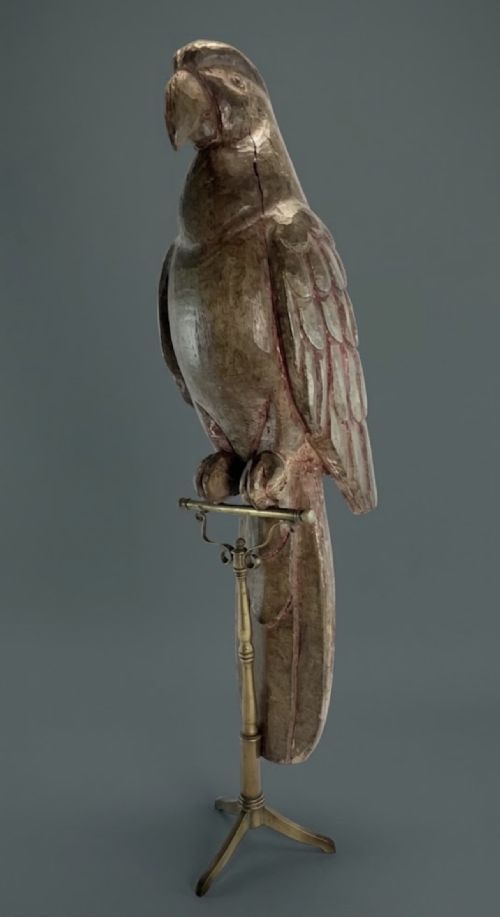
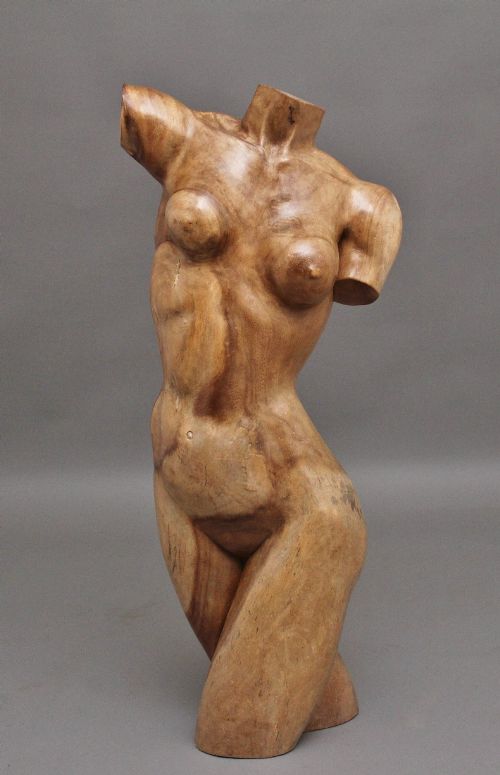
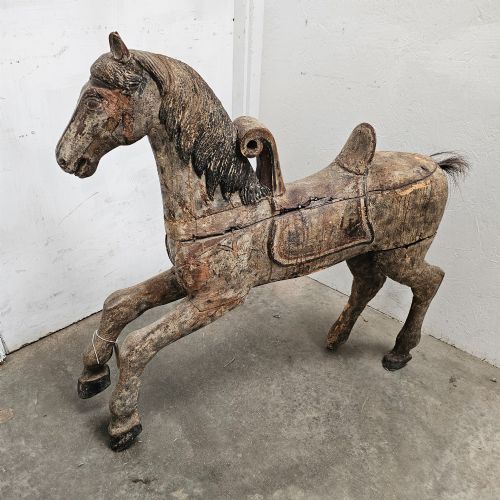
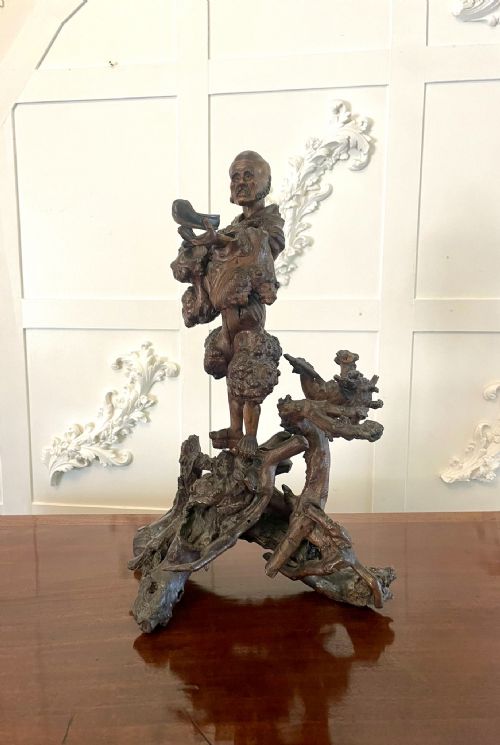
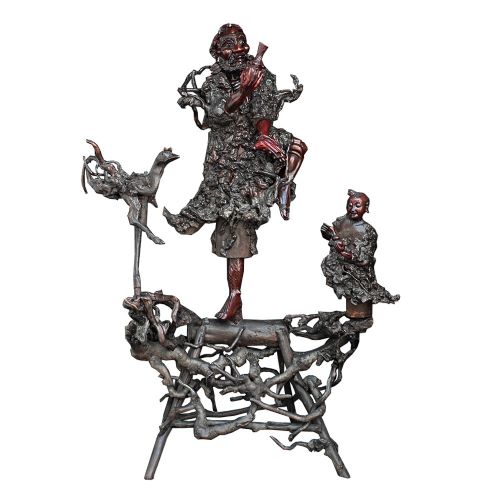
The versions most commonly met on this page date from the nineteenth century, ranging from French folk art carousel horses to Chinese root carvings of scholars. Pieces vary widely in scale, from intimate tabletop figures to life-size torsos and processional statues.
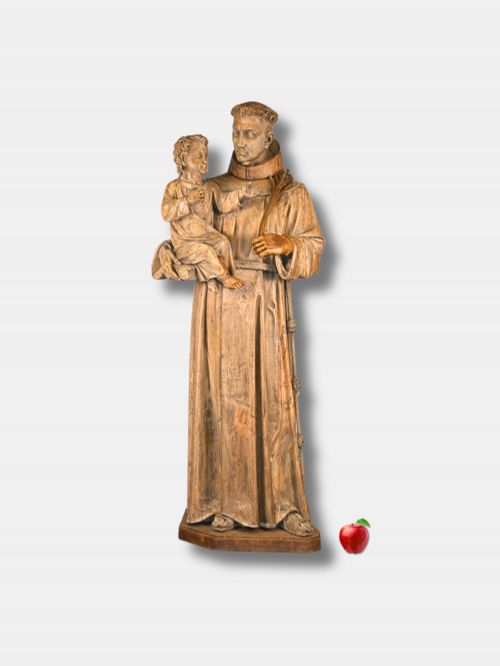
Origins stretch across European and Asian workshops, incorporating styles such as Qing Dynasty carvings, South German Baroque figures, and Victorian folk art. Each piece reveals the distinct sculptural vocabulary of its period, whether religious devotion or secular whimsy.
Materials and construction methods
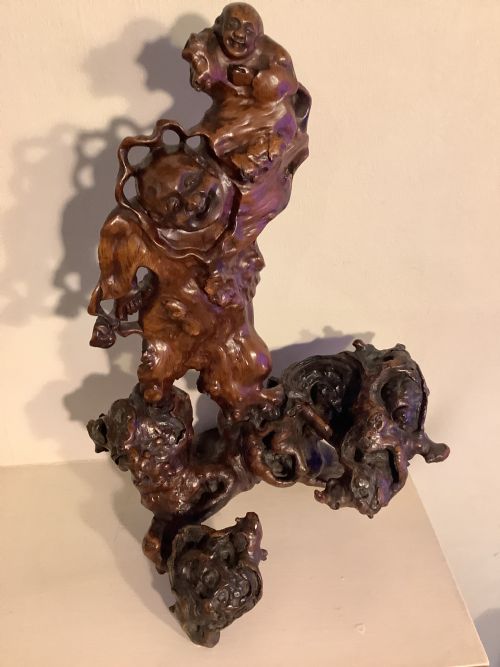
Carvers utilise diverse timber varieties, selecting dense oak, tactile lindenwood, or gnarled burr and root wood depending on the desired form. The natural contours of root and burr wood frequently dictate the final shape of the sculpture, guiding the carver's hand.
Traditional hand-carving techniques involve chisels and gouges applied directly to seasoned timber, sometimes complemented by polychrome paint or mounted on brass stands. Fragments retain tool marks that evidence the primary removal of material from the solid block.
Current listings feature materials ranging from traditional oak and lindenwood to expressive burr root timber.
Assessing sculptural quality
Quality rests primarily upon the anatomical confidence and expressive depth of the carving, distinguishing skilled atelier work from simpler rustic production. Superior pieces demonstrate a mastery of drapery, gesture, and proportion that brings vitality to the static material.
The intrinsic character and figuring of the chosen wood significantly influence the desirability of the piece, particularly in root and burr carvings where natural gnarled growths are exploited. Condition also plays a role, with sixteenth and seventeenth-century fragments retaining their structural integrity showing particular longevity.
The Natural Wood Carved Statue Glossary
- Burr wood
- A growth on a tree where the grain has grown in a deformed manner, producing intricate patterns prized by carvers. It creates highly textured surfaces on decorative figures.
- Polychrome
- Painted in several colours, often found on wooden religious figures and ritual statues to add realistic detail. This surface treatment can show significant historic patina.
- Root wood
- Timber sourced from the underground root system of a tree, displaying contorted and gnarled shapes. Carvers often incorporate these organic forms directly into figurative sculptures.
- Processional figure
- A statue created to be carried during religious festivals or processions, typically featuring hollow construction or specialised mounting. These pieces often originate from Italian or Spanish traditions.
- Lindenwood
- A pale, fine-grained wood favoured by European carvers for its even texture and suitability for intricate detail. It remains stable over centuries, making it ideal for baroque religious sculpture.
Natural Wood Carved Statue: Frequently Asked Questions
How do I clean a wooden statue?
Dust the surface gently with a soft, dry brush to prevent accumulation in the carved crevices. Avoid using liquid cleaners or polishes that might damage historic wood finishes.
Keep the piece away from direct sunlight and sudden temperature shifts to protect the timber from splitting or drying out over time.
Where should I place a large wooden figure?
Position statues away from radiators and fireplaces, as extreme heat causes natural wood to warp and crack. Stable indoor humidity preserves the structural integrity of older timber.
Consider sightlines and lighting to highlight the depth of the carving and the natural grain of the wood within your interior space.
How can I tell the age of a wooden carving?
Examine the tool marks left by the carver, as hand-chiselled surfaces differ visibly from later mechanical production methods. Patina and oxidation of the exposed timber also offer clues to the passage of time.
Compare the stylistic conventions, such as drapery folds or subject matter, with documented examples from periods like the seventeenth or nineteenth century.
What is a root carving?
A root carving utilises the natural, twisting formations of tree roots as the foundation for sculptural subjects like scholars or mythical figures. The artisan works with the pre-existing contours of the wood rather than starting from a block.
This technique highlights the organic qualities of the material, resulting in unique pieces where no two statues share the same form.