


Natural History Display
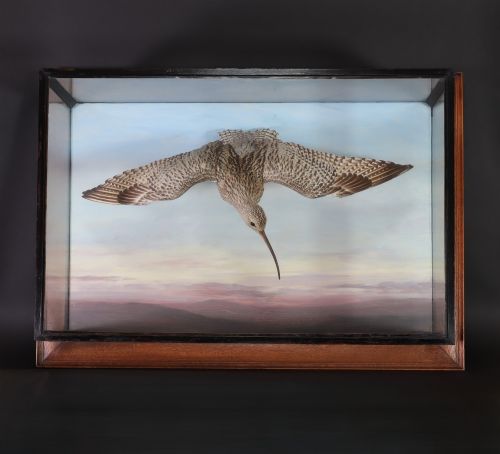
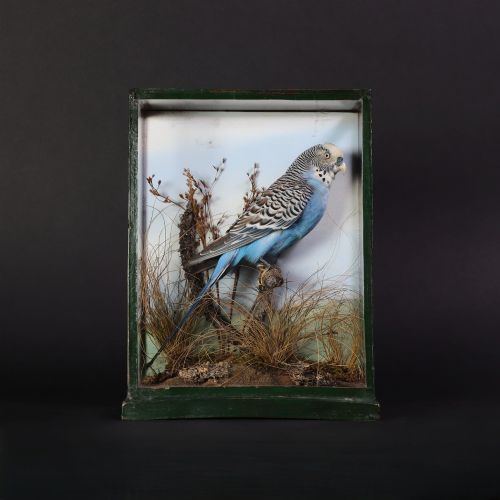
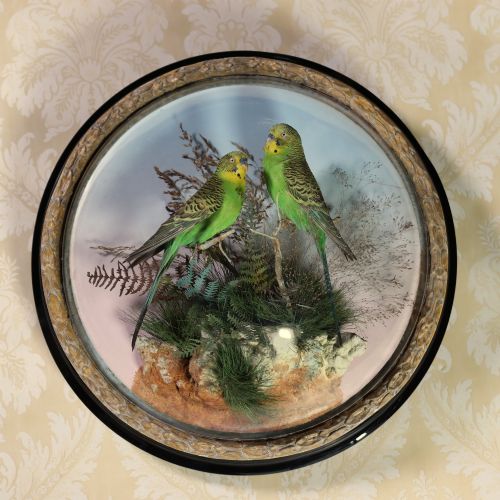
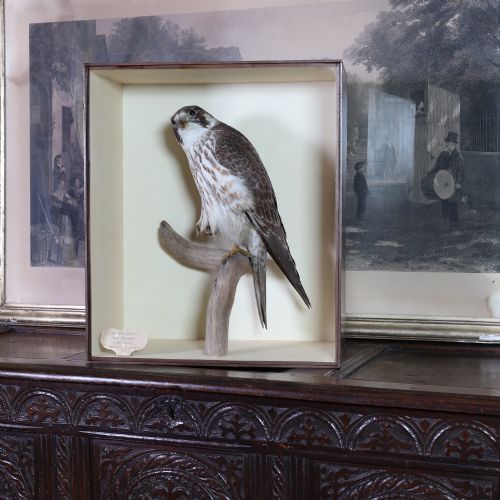
Natural history display brings together preserved specimens, geological finds and scientific models housed in glass and wood.
Natural History Display
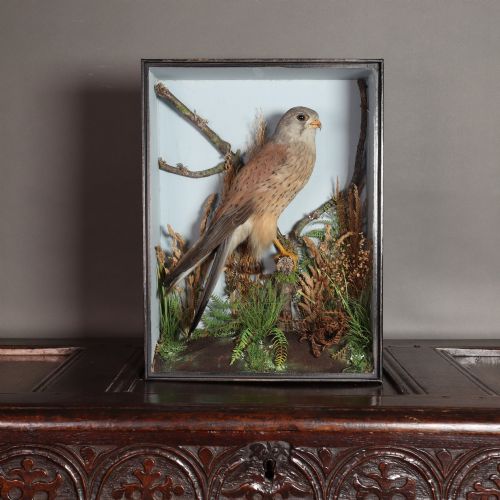
Natural history display encompasses taxidermy specimens, skeletal remains, geological specimens and botanical preparations arranged for study or decoration. These objects reflect the Victorian and Edwardian fascination with natural science, exploration and the classification of the natural world.
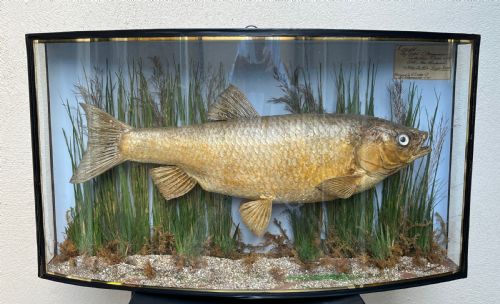
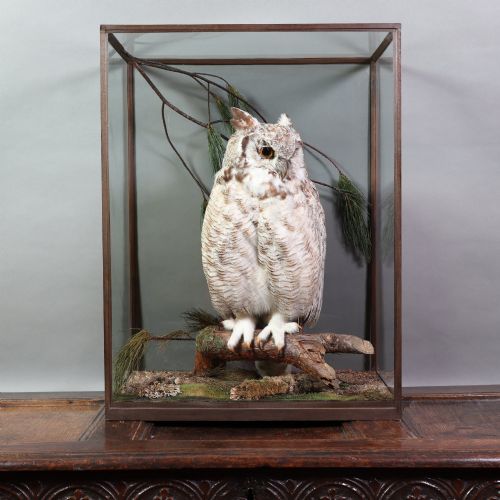
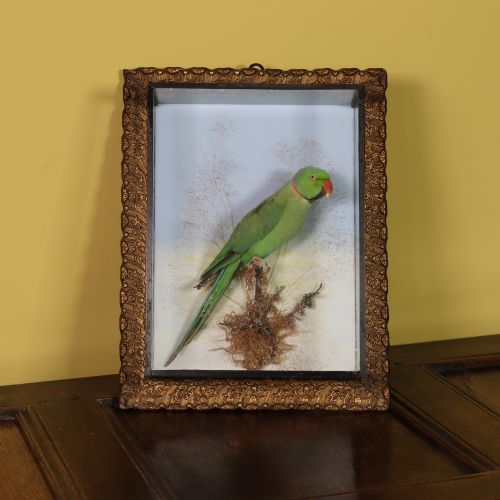
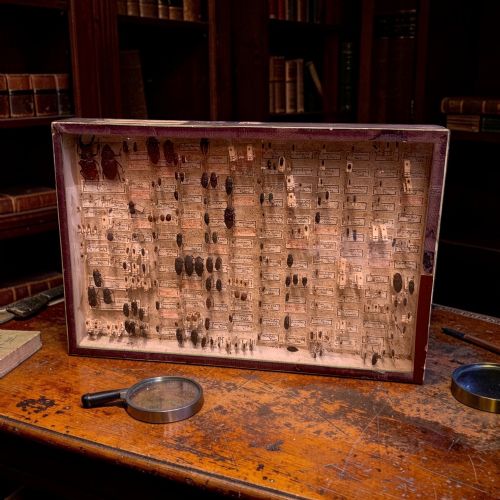
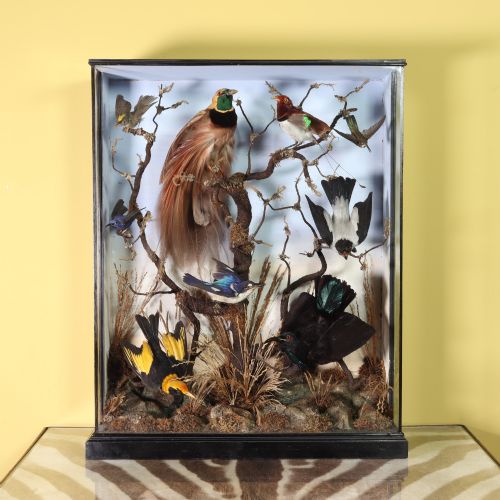
The most common forms found in these collections are taxidermy birds and mammals housed in glass cases or domes, alongside cabinet specimens such as coral, shells, fossils and entomology cases. These pieces range from solitary fish and birds to elaborate multi-species dioramas set in painted or naturalistic backgrounds.
Materials and Construction
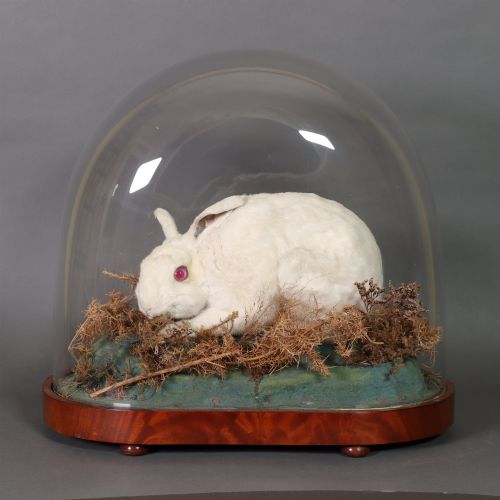
Taxidermy specimens are typically mounted over wire and plaster armatures within timber frames or ebonised wood bases, enclosed by blown or drawn glass domes and front-facing display cases. Internal settings frequently incorporate preserved moss, painted backdrops, paper foliage and artificial snow to mimic natural habitats.
Cabinets and display frames utilise dense hardwoods such as mahogany and oak, often fitted with tight-closing glass doors or removable lids to protect delicate feathers, paper entomology labels and soft organic specimens from dust and insect damage.
Natural History Display Retail Price Guide 2026
Typical asking prices for natural history display among the pieces listed under this phrase on Sellingantiques today, from the lower quarter to the upper quarter. They describe what is for sale here now, not the wider market.
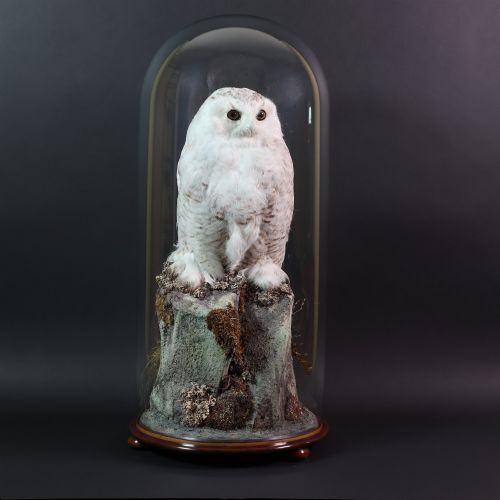
Victorian taxidermists occasionally dressed animals in human attire, though most preferred the quiet dignity of a snowy perch.
Assessing Quality and Execution
Quality in taxidermy display rests upon the anatomical accuracy and lifelike posture achieved by the preparator, alongside the complexity of the internal arrangement. Work by noted practitioners displays finer attention to feather and fur alignment, naturalistic taxidermy poses and detailed background painting.
The integrity of the enclosure equally dictates worth, where heavy blown glass domes, clean ebonised timber frames and well-preserved internal vegetation maintain the original aesthetic harmony of the scientific arrangement.
Little & Co·J Griffiths of Burford·James Gardner of London·Rowland Ward Ltd·T. E. Gunn·William Bazeley & Sons·Henry Ward London·S. King·A Pollard·Hutchings of Aberystwyth·James Jones of London
The Natural History Display Glossary
- Taxidermy dome
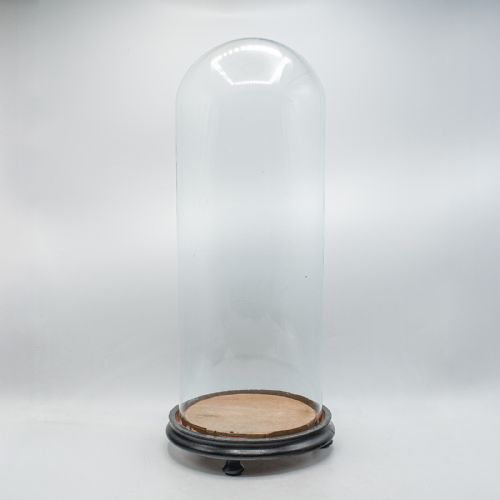
- A blown or drawn glass cover set upon a circular wooden or ebonised base to protect preserved specimens from dust and handling. These covers are frequently taller than they are wide to accommodate standing birds or branching foliage.
- Entomology case
- A shallow wooden box with a glass lid used to house pinned collections of insects such as butterflies and beetles. Such cases often feature paper-lined bases for handwritten specimen classification.
- Cabinet of curiosities
- An early form of display furniture or collection comprising a diverse array of natural history specimens, fossils and cultural artefacts. These groupings reflect the Renaissance and Victorian desire to catalogue the wonders of the natural world.
- Diorama
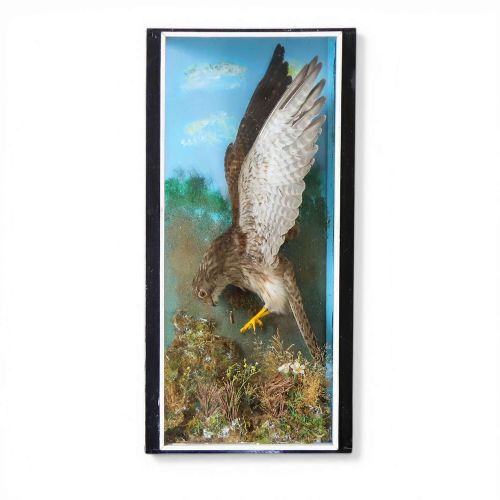
- A three-dimensional scene featuring taxidermy specimens posed against a painted backdrop and within a constructed naturalistic setting. This technique creates the illusion of animals in their native habitats.
- Preserved specimen
- An organic item treated with chemical solutions, drying agents or taxidermy methods to halt decomposition. This category includes birds, fish, coral, shells and botanical models.
Natural History Display: Frequently Asked Questions
What is a natural history display?
A natural history display is an arrangement of preserved animal specimens, plants, minerals or fossils housed within protective glass cases, domes or wooden cabinets.
These collections were originally assembled for scientific study, education and domestic decoration during the nineteenth and early twentieth centuries.
How should I care for taxidermy?
Taxidermy specimens require protection from direct sunlight, high humidity and temperature fluctuations to prevent feather fading, cracking skin and glue deterioration.
Dust glass exteriors gently with a soft cloth and avoid opening sealed cases to preserve the internal microclimate established for the specimens.
How do I date a display case?
Dating relies upon construction methods, timber types, glass manufacture techniques and original trade labels pasted inside or beneath the base. Hand-blown glass, ebonised wood finishes and handwritten ink identification labels typically point to nineteenth-century manufacture.
Later pieces often feature machine-drawn sheet glass, simpler pine or oak framing and printed paper labels detailing the taxidermist establishment.
Where were these pieces displayed?
Victorian and Edwardian households placed these displays in parlours, libraries and studies as conversation pieces that demonstrated an interest in science and exploration.
Schools and museums also utilised educational taxidermy and teaching models for classroom instruction and public exhibition.