



Natural History Curiosity
A natural history curiosity brings the wonders of the natural world indoors through preserved specimens, taxidermy, and fossils gathered during centuries of exploration.
Natural History Curiosity
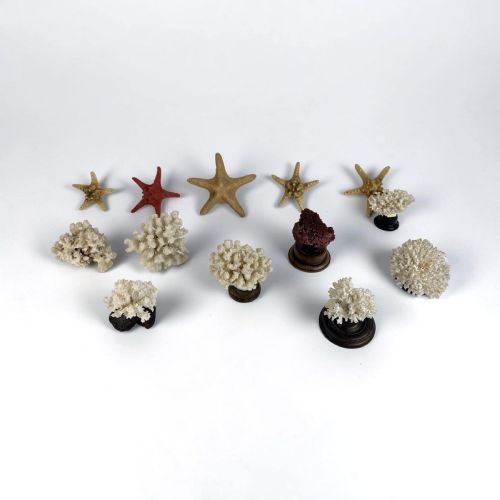
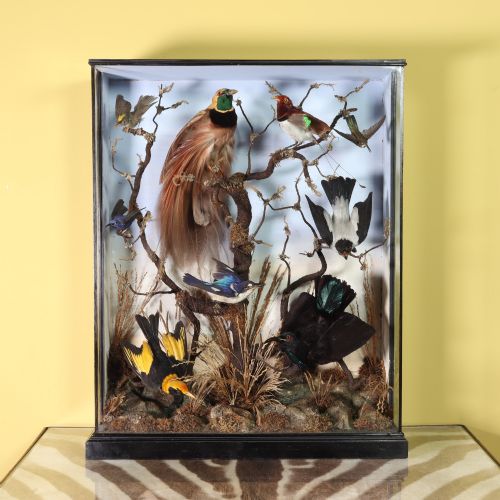
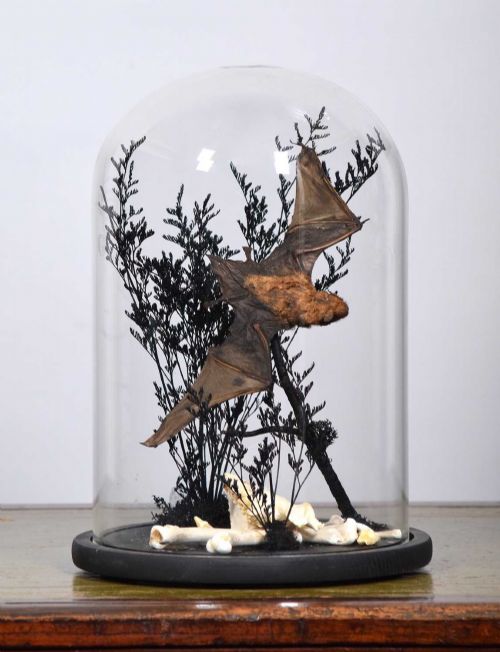
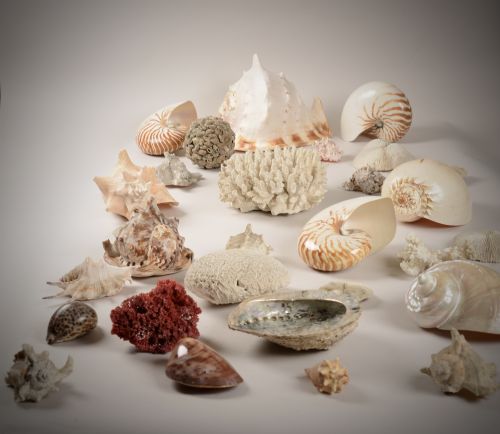
A natural history curiosity encompasses diverse objects ranging from taxidermy specimens and glass domes to framed prints, shells, and teaching models. Collectors seeking a natural history curiosity will frequently encounter Victorian taxidermy cases, coral collections, and osteological displays on this page.
The material record spans the eighteenth, nineteenth, and early twentieth centuries, reflecting changing scientific interests and domestic interior decoration. Common formats include wall-mounted displays, tabletop domes, and desk accessories derived from animal, plant, and mineral kingdoms.
Materials and Construction
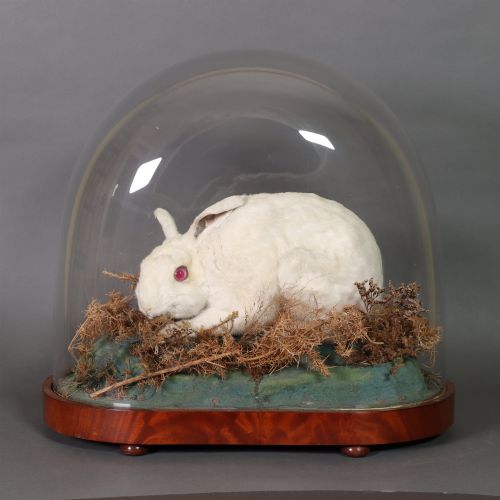
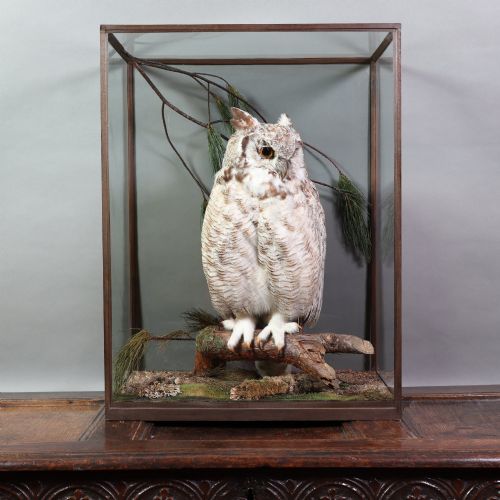
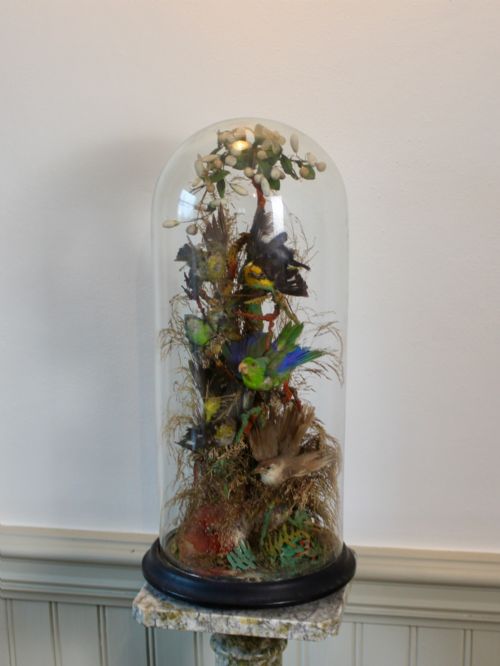
Taxidermy and specimen preservation relied on taxidermists mounting birds and mammals over wire and wooden armatures within glass-fronted wooden display cases or blown glass domes. Ebonised wood frames, papier-mâché, and painted plaster provided structural support for botanical models and educational teaching aids.
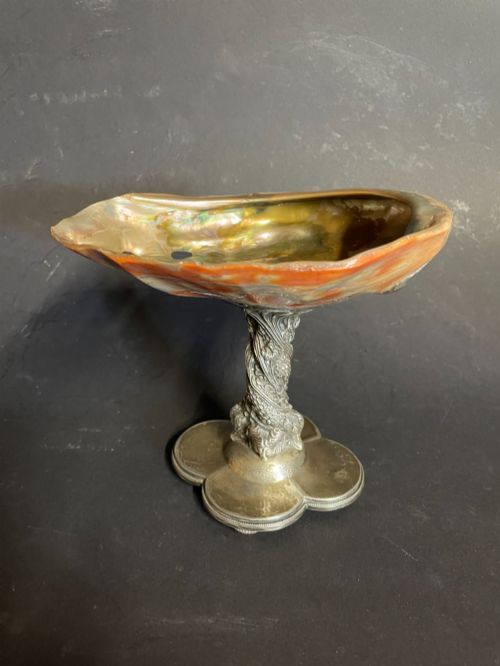
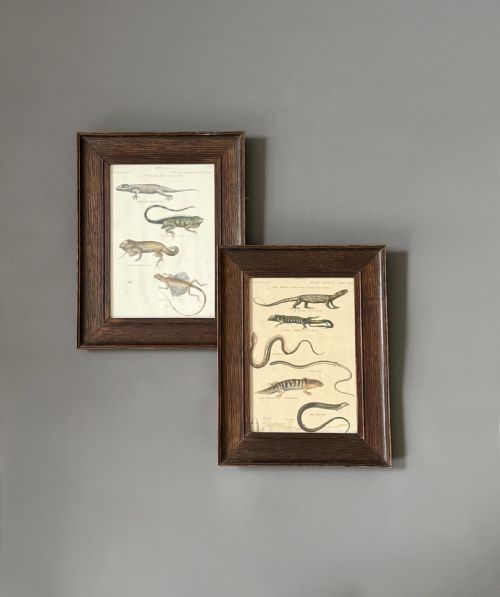
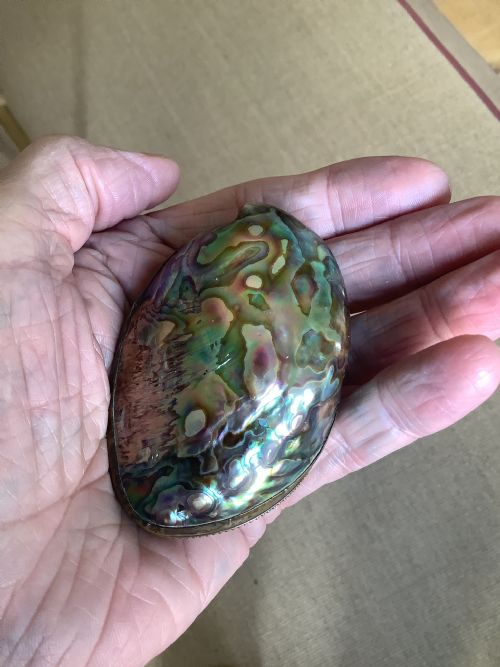
Organic materials such as bone, horn, feathers, shell, and tortoiseshell were cleaned, carved, and mounted in metal or wood. Engravings utilised hand-coloured paper techniques framed behind glass to preserve detailed biological illustrations.
Natural History Curiosity Retail Price Guide 2026
Typical asking prices for natural history curiosity among the pieces listed under this phrase on Sellingantiques today, from the lower quarter to the upper quarter. They describe what is for sale here now, not the wider market.
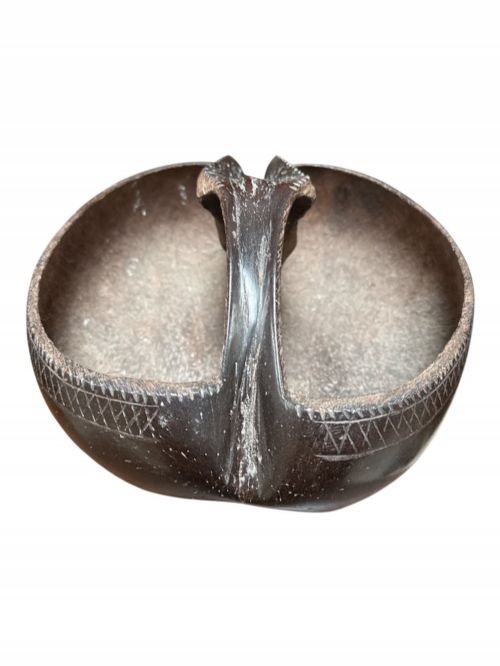
Nineteenth-century naturalists occasionally turned giant seed pods into exotic desk accessories for Victorian scholars.
Judging Quality
Quality rests upon the taxidermist's anatomical accuracy, taxidermy posture, and the original condition of the display housing. Pieces attributed to established practitioners often demonstrate superior biological realism and complex compositional arrangements within their glass enclosures.
The longevity of organic materials depends on stable historical preservation, original structural integrity, and the clarity of associated glass domes or mounting cases.
James Gardner of London·Rowland Ward Ltd·Henry Ward London·A Pollard·Hutchings of Aberystwyth
The Natural History Curiosity Glossary
- Taxidermy
- The art of preparing, stuffing, and mounting the skins of animals for display. Historical examples often incorporate naturalistic groundwork inside glass cases.
- Dome
- A blown glass cover placed over a wooden base to protect delicate specimens from dust and humidity. These enclosures frequently house birds of paradise or complex floral compositions.
- Carapace
- The upper shell of a crustacean or turtle. Antique specimens display natural golden and brown figuring.
- Coco de Mer
- A double coconut native to the Seychelles famous for its large seed pod. Collectors valued these distinctive natural shells as cabinet curiosities.
- Entomology
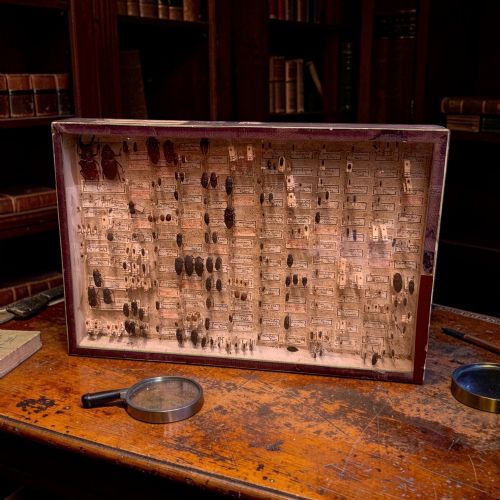
- The branch of zoology relating to insects. Cases contain arranged butterflies and beetles pinned inside glazed wooden boxes.
Natural History Curiosity: Frequently Asked Questions
What is a natural history curiosity?
A natural history curiosity is an antique specimen, taxidermy mount, fossil, or shell collected for scientific study or domestic display during the eighteenth, nineteenth, and early twentieth centuries.
These objects reflect historical fascination with the natural world, combining biological science with decorative arts inside cabinets and parlours.
How should I display taxidermy?
Taxidermy specimens and delicate mounts require placement away from direct sunlight and high humidity to protect feathers, fur, and paper components.
Keeping glass domes and glazed wooden cases intact preserves the internal environment and shields the fragile contents from environmental damage.
How do I date an antique specimen?
Dating relies on construction methods, framing styles, and materials used in the mounting cases, such as ebonised wood or hand-blown glass.
Makers' labels pasted inside display cases or handwritten paper tags on the underside of specimens also provide clear chronological evidence.
Are fossils and shells antiques?
Fossils and shells found in historic collections are natural objects preserved, mounted, and traded as cabinet specimens during the Victorian era and earlier.
Their antique status derives from the historical mounting, early nineteenth-century documentation, and period presentation cases rather than the geological age of the specimen.