


Victorian Shell Box
These Victorian shell box items combine natural marine materials with precise period craftsmanship to hold personal treasures.
Victorian Shell Box
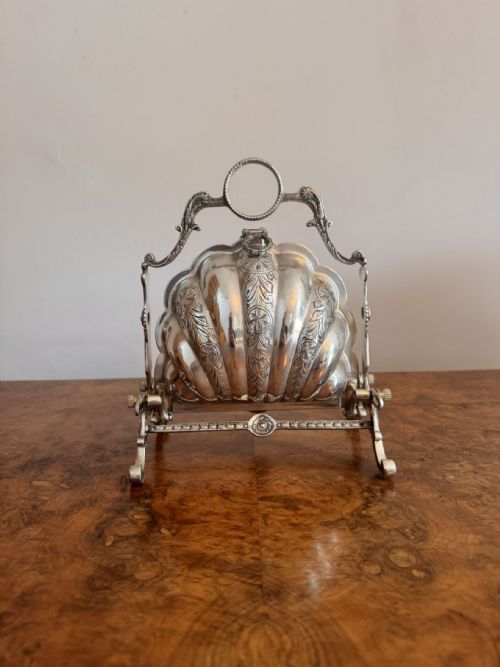
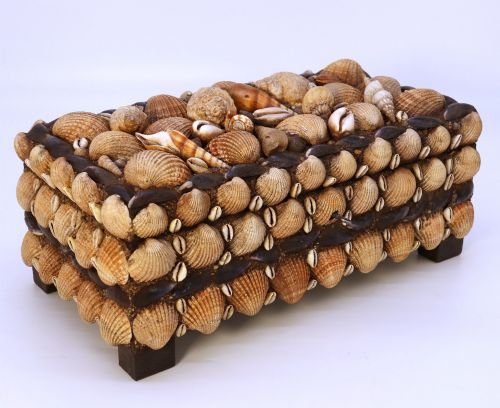
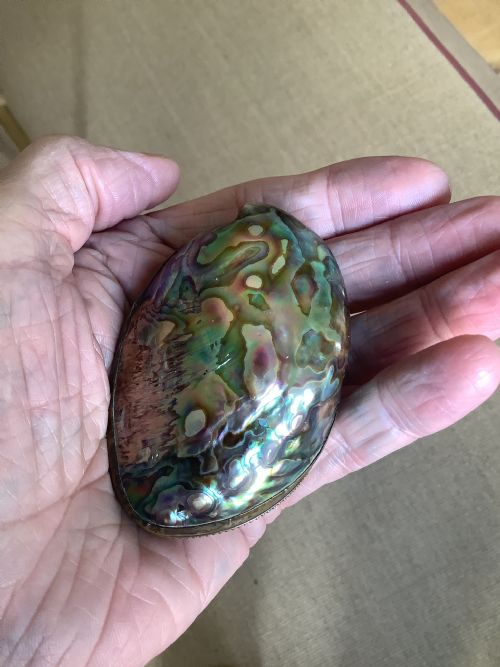
A victorian shell box encompasses a range of small storage containers, from table top jewellery boxes and tea caddies to folding biscuit boxes and snuff boxes. The material focus shifts between marine shellwork, tortoiseshell mounted in silver, and silver-plated vessels shaped directly as natural shells.
The pieces reflect varied aesthetic currents, spanning English folk art shell dioramas, Anglo-Indian Vizagapatam pieces, and French Napoleon III designs. Most examples encountered in daily handling date from the nineteenth century, though related objects stretch from the mid-eighteenth century into the interwar period.
How They Were Made
Constructed largely from wood bases overlaid with thin plates of tortoiseshell or applied directly with seashells, these boxes rely on precise adhesive and pinning methods. Metal elements incorporate sterling silver hinges, brass mounts, and silver-plated frames shaped to mimic natural marine forms.
Interiors often utilise silk linings, mirror glass, or fitted compartments designed for needles, stationery, or sweetmeats. Folk art examples rely on meticulous placement of tiny seashells and dioramas arranged behind glass.
The inventory spans English folk art shell dioramas, French Napoleon III designs, and Anglo-Indian Vizagapatam work from the eighteenth to twentieth centuries.
What Varies in Quality
Quality depends largely on the integrity of the tortoiseshell plates and the precision of the silver or gold pique inlay. Pieces retaining complete shellwork structures without losses demonstrate superior original construction.
Makers' marks from notable silversmiths elevate the standing of metal-mounted vessels, whilst balanced proportions and intact interior silk or velvet linings distinguish finer dressing table boxes from utilitarian containers.
Fenton Brothers·Elkington·The Alexander Clark·Walker And Hall·William Comyns·Charles Boyton
The Victorian Shell Box Glossary
- Tortoiseshell
- The mottled brown and amber keratin material derived from the shell of certain marine turtles, widely used for veneering small boxes. It takes a high polish and contracts or expands with atmospheric humidity.
- Pique
- A decorative technique involving tiny pins or strips of gold and silver inlaid into a tortoiseshell or ivory ground to form delicate patterns. This painstaking method defines luxury nineteenth-century dressing cases.
- Biscuit Box
- A hinged or folding container designed for holding dry baked goods on the dining table, often fashioned in silver plate as a nautilus or natural seashell. These items became popular during the later Victorian decades.
- Snuff Box
- A pocket-sized container manufactured to hold ground tobacco, frequently lined with precious metal or carved entirely from shell, horn, or tortoiseshell. Their scale demanded exceptional miniature joinery.
- Tea Caddy
- A lidded vessel intended to store loose tea leaves securely, often featuring internal compartments and lockable lids. Period examples frequently employ exotic veneers and tortoiseshell mounts.
- Diorama
- A three-dimensional scene constructed inside a shallow box or shadow frame, utilising arranged shells and dried materials. Folk art variations of this type capture maritime subjects.
Victorian Shell Box: Frequently Asked Questions
What is a victorian shell box used for?
These containers served varied domestic purposes, holding jewellery, sewing implements, snuff, tea, or biscuits.
Smaller examples rested in pockets or on dressing tables, whilst larger folding biscuit vessels occupied formal dining rooms.
How do you clean tortoiseshell boxes?
Dust surfaces gently with a soft, dry cloth without applying modern chemical polishes or soaking the object in water.
Because tortoiseshell reacts to moisture and heat, keeping pieces away from direct sunlight preserves the material.
Are all these boxes from the Victorian era?
While the majority originate in the nineteenth century, the selection includes related items from the eighteenth century up to nineteen thirty.
Folk art pieces and silver-plated biscuit boxes often extend past the strict Victorian reign into the early twentieth century.
What metals are found on these pieces?
Mounts and hinges typically utilise sterling silver, silver plate, brass, or gold accents.
Many boxes pair translucent tortoiseshell directly with hallmarked silver shields, bezels, or intricate pique inlay.