


Shell Trinket Box
These shell trinket box examples combine natural marine materials with precious metals to hold small keepsakes, offering a tactile connection to past centuries.
Shell Trinket Box
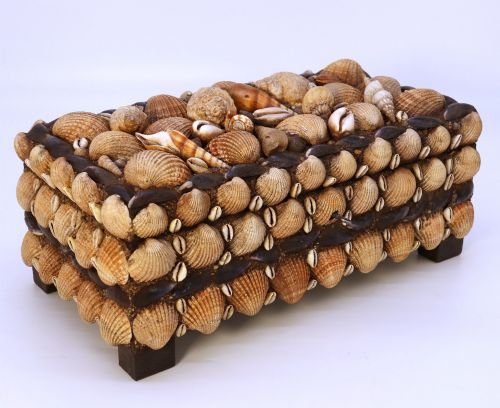
A shell trinket box brings together natural materials and domestic function across several centuries of craftsmanship. The pieces found here span eras from the eighteenth century through the Edwardian period, manifesting as small receptacles intended for keepsakes, snuff, or jewellery.
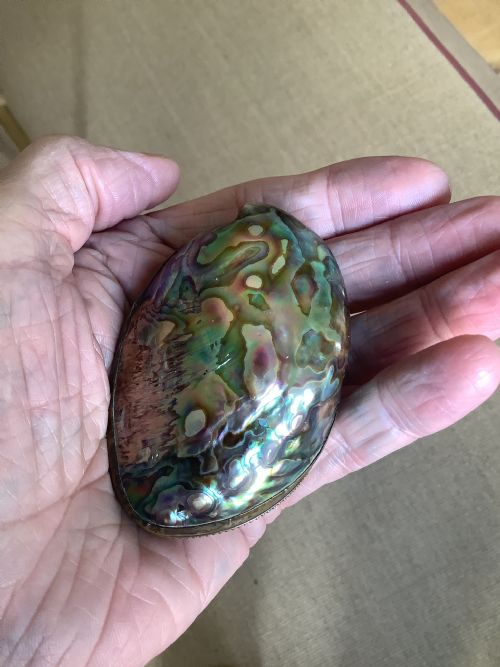
The most common iterations pair silver mounts with tortoiseshell or mother of pearl lids, reflecting popular tastes from the Victorian and George V eras. Makers also utilised abalone shell, hardwood, and satinwood to construct these compact containers.
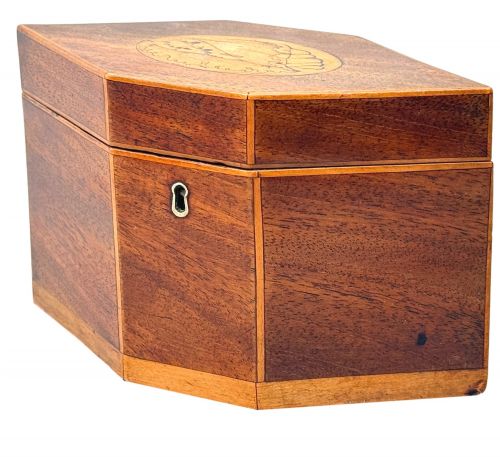
Stylistic influences range from English folk art and Sheraton revival designs to Chinese Export and Middle Eastern decorative traditions. Such variety means collectors encounter both simple geometric tea caddies and elaborately mounted tabletop jewellery cases.
Evaluating the Pieces
Quality rests primarily on the integrity of the organic materials and the precision of the metal mounts. Pieces featuring intact, unwarped tortoiseshell paired with heavy sterling silver display superior craftsmanship compared to those utilising faux materials.
The finesse of the internal fittings, such as original gold or silk linings and working silver hinges, distinguishes standard utility pieces from exceptional commissions. Preservation of fine inlay work, like pique patterns, further separates ordinary containers from finer examples.
The inventory records pieces spanning from the eighteenth century to the 1930s, utilising silver, mahogany, tortoiseshell, and mother of pearl.
William Comyns·Edward Souter Barnsley·Mappin & Webb
The Shell Trinket Box Glossary
- Tortoiseshell
- The translucent mottled shell of certain marine turtles, historically utilised for box lids and decorative veneers. It provides a rich amber and brown ground for silver inlay.
- Mother of pearl
- The iridescent internal layer of certain mollusc shells, carved into thin plates for decorative surfaces. Its shimmering quality made it popular for nineteenth-century necessaires and small cases.
- Pique
- A decorative technique involving the precise inlay of tiny gold or silver wire and pins into tortoiseshell. Artisans formed intricate geometric or floral motifs using this method.
- Snuff box
- A small pocket receptacle designed to hold powdered tobacco. Many examples utilise abalone or carved shell for the lid.
- Tea caddy
- A container designed to store tea leaves securely, often featuring compartments and lockable lids. Georgian and Victorian iterations occasionally incorporated shell inlays or mahogany construction.
Shell Trinket Box: Frequently Asked Questions
What were shell trinket boxes used for originally?
These small containers held precious personal items such as rings, pins, and visiting cards. Their compact nature suited dressing tables and pockets alike.
Over the centuries, similar receptacles also served to store luxury commodities like snuff or dry tea leaves securely away from moisture.
How do I care for tortoiseshell and silver?
Keep these boxes away from direct sunlight and extreme temperature fluctuations to prevent the organic shell from warping or cracking. Gentle dusting with a soft, dry cloth preserves the polished surface.
Avoid harsh chemical cleaners on the metal mounts, as these substances can damage adjacent shell panels and delicate inlay work.
How can I tell the period of a box?
Hallmarks stamped on the silver mounts provide the most reliable dating evidence, linking the piece to specific assay offices and years. Stylistic indicators like Sheraton revival lines or Qing dynasty influences also point towards particular eras.
Construction methods, such as the type of wood used for the interior lining or the style of the hinges, help differentiate Georgian examples from Edwardian ones.
What is the difference between real and faux tortoiseshell?
Real tortoiseshell displays natural variegation, warmth, and a fibrous organic structure under close magnification. It reacts distinctively to heat and touch compared to synthetic alternatives.
Faux versions, often produced in later periods using celluloid or plastics, lack the depth of colour and natural irregularities found in eighteenth and nineteenth-century examples.