




Mother of Pearl Trinket
When you handle a mother of pearl trinket, you hold a piece where iridescent shell meets fine cabinet woods and lacquer to secure small treasures.
Mother of Pearl Trinket
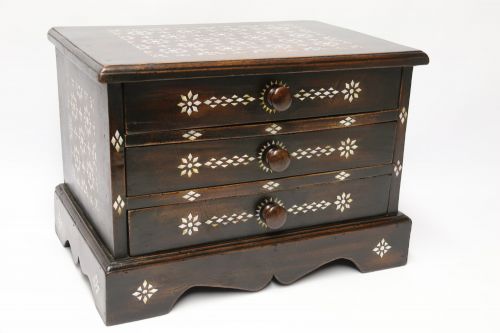
A mother of pearl trinket encompasses small containers designed to hold jewellery, keepsakes, and personal items. Buyers encounter pieces ranging from Regency and Victorian boxes to Edwardian examples and oriental caskets.
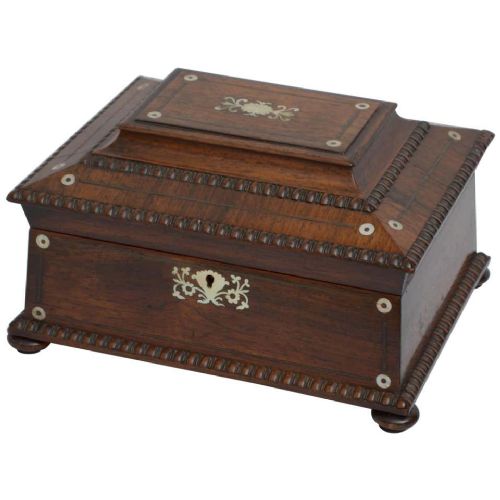
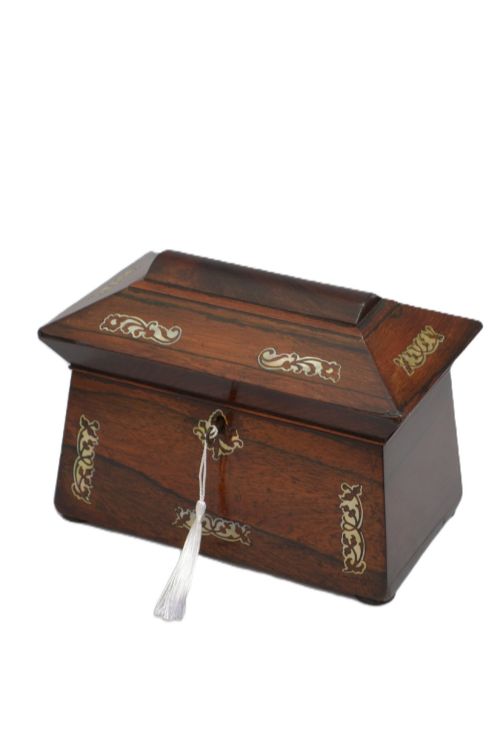
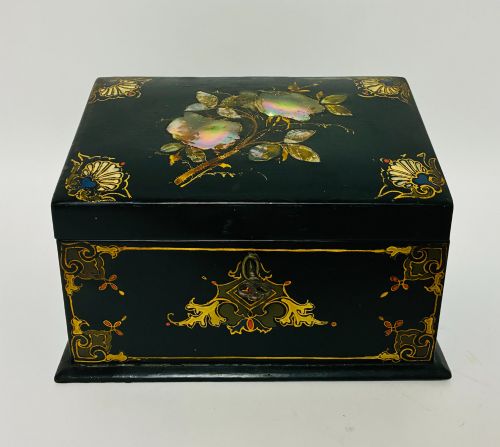
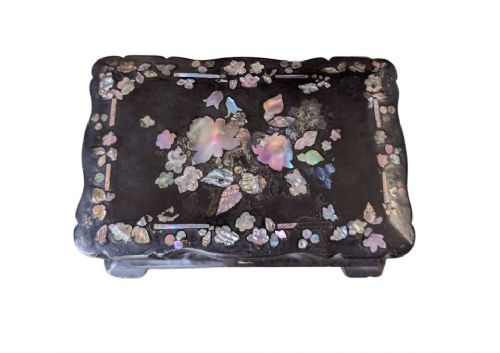
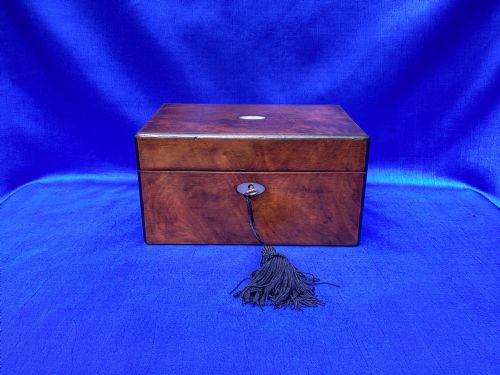
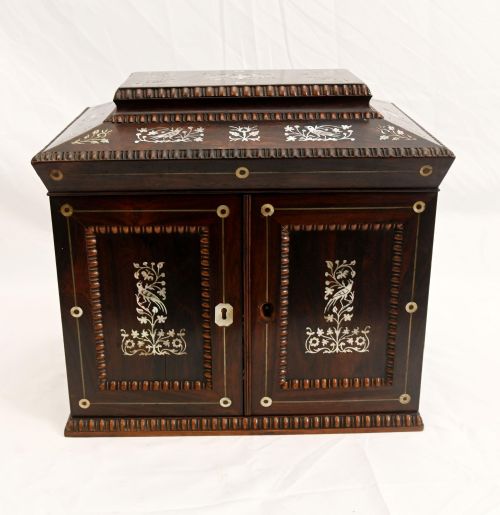
The selection on this page centres on lidded boxes, card cases, and small chests. Rosewood, papier-mâché, and hardwood dominate the forms, frequently enriched with meticulous shell inlays.
How they were made
Artisans combined dense timbers such as rosewood, walnut, and coromandel with delicate sections of marine shell. The mother of pearl was shaped, engraved, and set flush into wood or lacquered papier-mâché surfaces.
Metal elements like brass and silver frequently reinforce hinges, escutcheons, and borders. Interiors often receive silk linings, fitted compartments, and mirrors to suit personal grooming and storage.
What varies in quality
The standard of a mother of pearl trinket rests on the precision of the inlay work and the selection of the primary material. Finely cut shell segments fit tightly into their beddings without excessive filler.
Structural integrity of the timber body and the complexity of the interior fittings separate standard containers from exceptional pieces. Superior examples retain original paper linings, working locks, and crisp exterior carving.
The Mother of Pearl Trinket Glossary
- Mother-of-pearl
- The iridescent inner layer of mollusc shells used for decorative inlay. It reflects shifting tones of pink, green, and silver under light.
- Papier-mâché
- A composite material made from paper pulp or layers of paper mixed with glue, then lacquered. It provides a smooth dark ground for shell inlays.
- Tea caddy
- A box originally manufactured for storing dry tea leaves. Many surviving examples double as decorative storage or jewellery containers.
- Coromandel
- A heavy, dark brown exotic hardwood with contrasting black streaks used for luxury boxes. It originates from Asia and appears frequently on mid-nineteenth-century items.
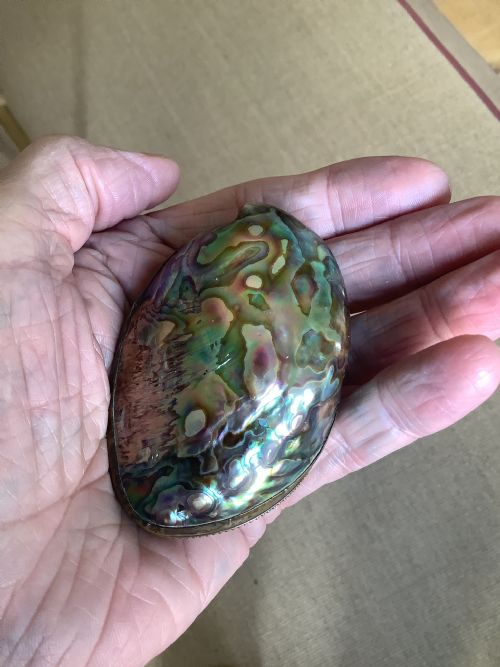
- Abalone shell
- A marine mollusc shell known for intense blue and green iridescence. It differs from standard white mother of pearl through deeper colouration.
Mother of Pearl Trinket: Frequently Asked Questions
What were mother of pearl trinket boxes used for?
These containers served Victorian and Regency owners as secure spots for rings, pins, and personal keepsakes. They sat upon dressing tables, writing desks, and mantelpieces in private parlours.
Their interior compartments accommodated fragile accessories away from dust and light. Many doubled as miniature storage chests for letters or visiting cards.
How do I date a mother of pearl trinket box?
Dating relies on observing the timber species, construction methods, and hardware styles. Regency pieces often utilise rosewood with delicate geometric lines, while Victorian examples favour heavier burr walnut and elaborate mother of pearl floral motifs.
Paper linings and maker marks inside the lid offer additional clues. Comparing the hinge type and lock mechanism further narrows the decade of production.
Are papier-mâché and wood boxes cleaned differently?
Wooden surfaces require gentle dusting and occasional wax feeding to maintain the grain. Papier-mâché demands dry maintenance because moisture damages the lacquer and lifts the delicate shell inlays.
Harsh chemical polishes destroy both the aged patina and the adhesives holding the pearl pieces. A soft, dry cloth preserves the original surface sheen.
Why do some boxes feature abalone instead of pearl?
Abalone provides deep oceanic blues and greens compared to the silvery white of standard pearl. Makers selected it for contrast within floral or geometric patterns.
Both materials share similar durability when set into timber or lacquer grounds. The choice depends entirely on the decorative effect desired by the maker.