


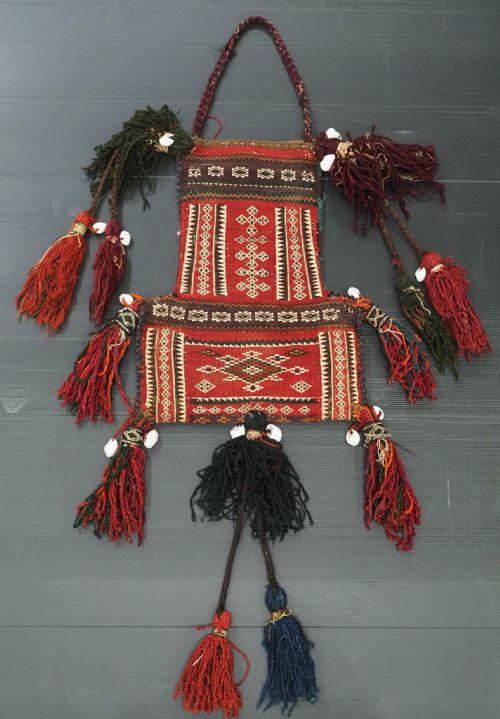


Antique Shell Container
An antique shell container holds history in natural materials, bringing organic texture and centuries of craft straight to your desk.
Antique Shell Container
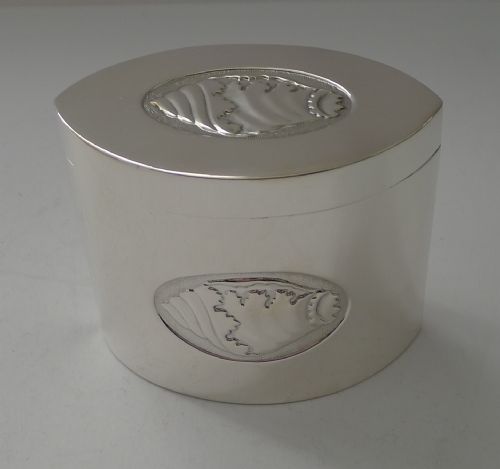
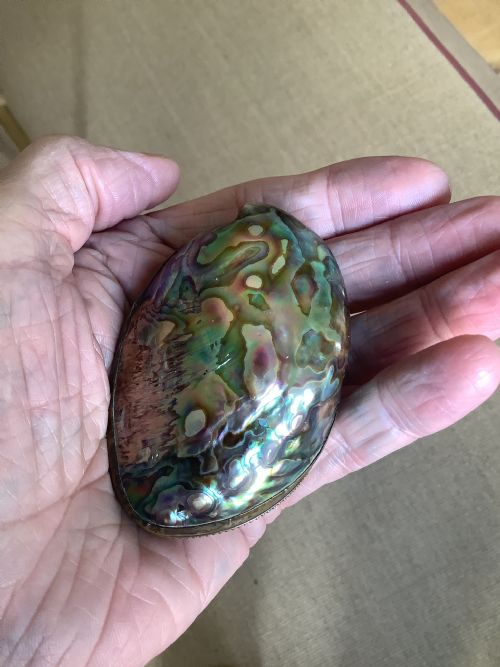
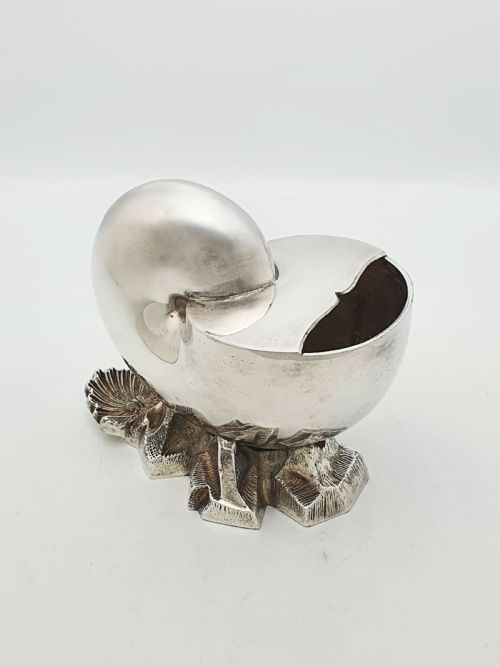
The version you are most likely to encounter here is the small tabletop box or utilitarian vessel fashioned from natural shell or mounted in precious metals. Examples range from abalone snuff boxes to tortoiseshell tea caddies and silver-plated nautilus shell spoon warmers. Each object reflects the prevailing tastes of its respective period, from Edwardian refinement back to eighteenth-century domestic life.
Materials and construction
Makers utilised organic materials such as abalone, tortoiseshell, coconut shell, and nautilus, often pairing them with solid sterling silver, silver plate, or leather mounts. These natural mediums required careful cutting, shaping, and polishing to highlight their iridescent qualities and complex patterns.
Metalwork components, including tea caddy linings and mustard pot mounts, were cast, hammered, or engraved by hand. Artisans also worked with canvas and textiles in military and tribal items, combining rigid metal casings with flexible woven structures.
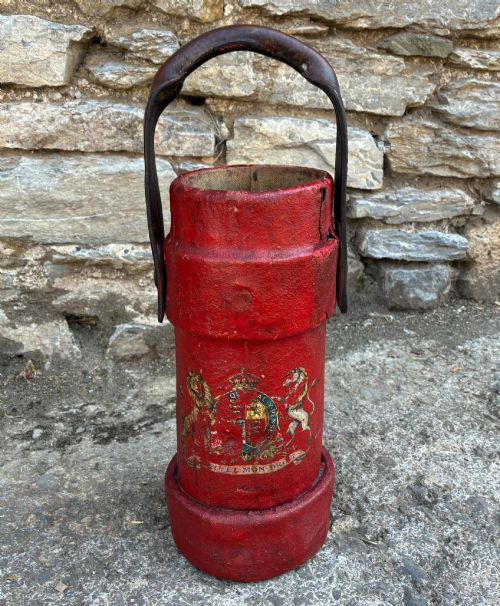
Someone once repurposed a naval artillery shell into a domestic umbrella holder, proving that a munitions carrier makes an unexpectedly practical hallway companion.
Assessing quality and execution
The distinction between standard examples and the finest pieces lies in the precision of the silver mounts and the structural integrity of the organic shell. Superior items display seamless joints between delicate natural materials and precious metals, with crisp, legible hallmarks.
Artistic execution also separates ordinary utility items from masterworks, particularly in carved coconut shells or intricately engraved silver-plated vessels. The depth and clarity of surface decoration dictate the overall distinction of the piece.
The Antique Shell Container Glossary
- Tortoiseshell
- The mottled brown and yellow keratin shell of certain marine turtles, historically utilised for luxury boxes and tea caddies. It takes a high polish and warps under excessive heat.
- Abalone shell
- A marine mollusc shell known for its vibrant, iridescent mother-of-pearl interior. Artisans used it extensively for small decorative snuff boxes and trinket containers.
- Spoon warmer
- A Victorian table vessel designed to hold hot water and warm silver spoons before serving soup or dessert. They frequently took organic forms such as nautilus shells.
- Cordite bucket
- A heavy metal container utilised during wartime to transport propellants safely to artillery guns. These industrial pieces often double as decorative umbrella stands or umbrella buckets today.
- Tea caddy
- A box or container designed to store dry tea leaves securely under lock and key. Early examples frequently featured tortoiseshell or precious metal mounts.
Antique Shell Container: Frequently Asked Questions
What is an antique shell container?
An antique shell container is a vessel fashioned either from organic marine or animal shells like abalone and tortoiseshell, or a metal container shaped to hold munitions like artillery shells.
These pieces served diverse historical functions, ranging from domestic tea storage and snuff preservation to military transport.
How do I care for tortoiseshell?
Tortoiseshell requires gentle handling away from direct sunlight and extreme temperature fluctuations to prevent warping or drying out.
Clean the surface only with a soft, dry cloth and avoid harsh chemical polishes or soaking in water.
Were shell containers used daily?
Domestic pieces like tea caddies and snuff boxes were handled daily by Georgian and Victorian households to store luxury commodities.
Military shell carriers saw rigorous field use during wartime before transitioning into decorative domestic objects.
How do I date an antique container?
Dating relies on examining the silver hallmarks, manufacturing techniques, and the specific stylistic cues of the period.
Materials like tortoiseshell and styles such as Edwardian military provide clear chronological markers for attribution.