




Antique Bird Specimen
An antique bird specimen brings the natural history of the Victorian and Edwardian parlour directly into a modern interior.
Antique Bird Specimen
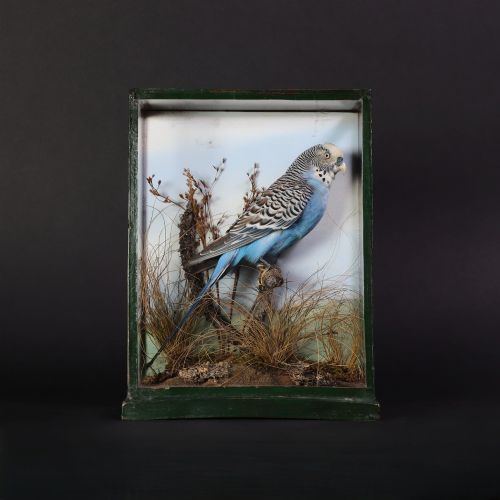
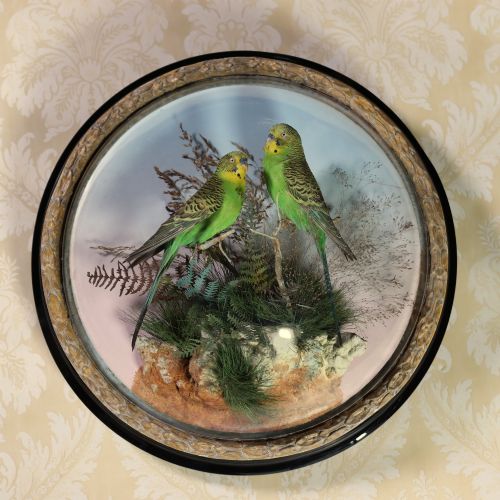
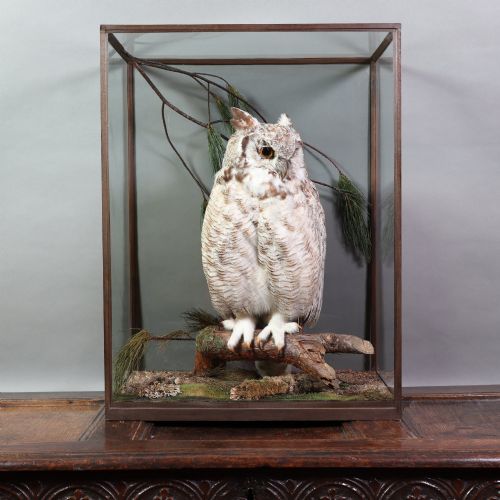
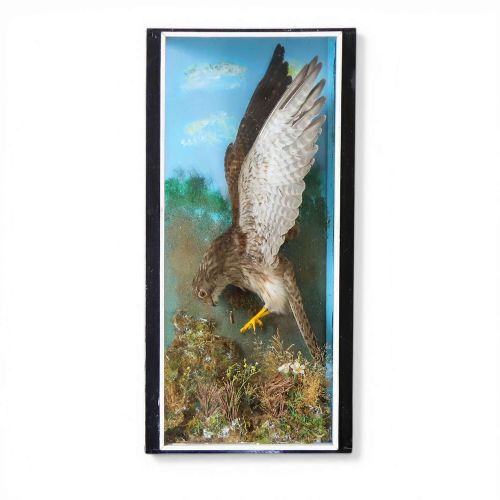
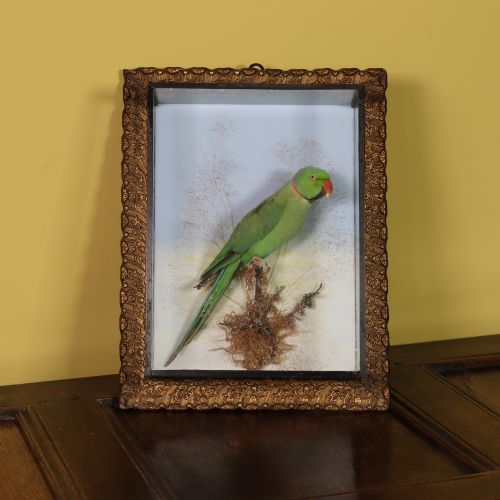
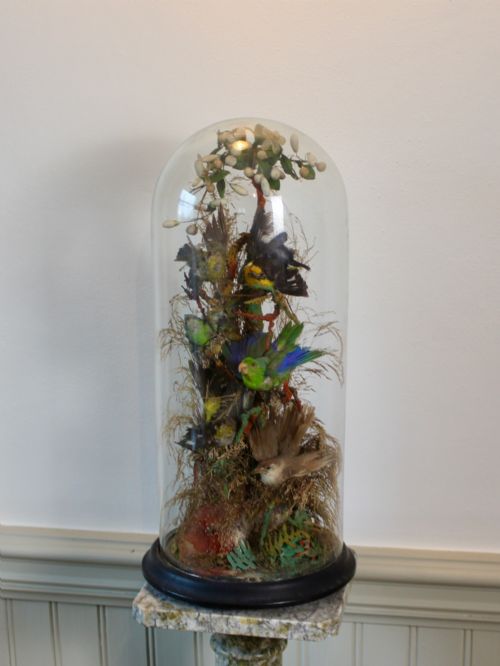
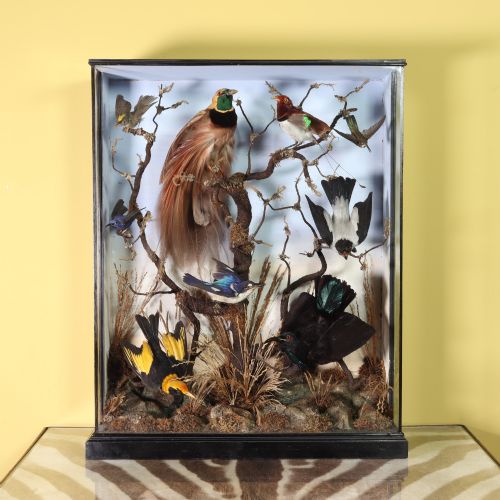
When you search for an antique bird specimen, you encounter preserved creatures mounted inside glass domes, wooden display cases, and picture frames, alongside occasional stone mosaic panels. These objects capture the Victorian enthusiasm for natural history and decorative display within the home.
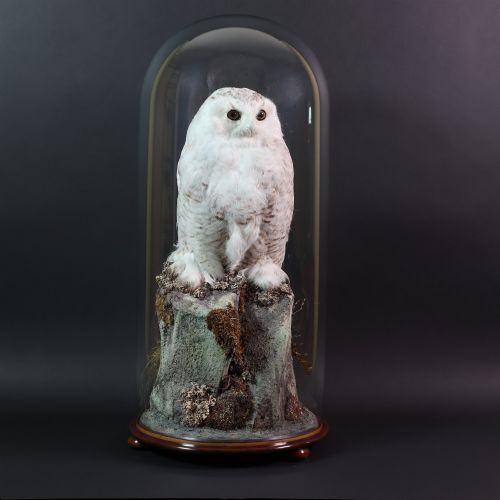
The version you are most likely to meet on this page is a cased taxidermy diorama or a glazed dome housing single birds and multi-species compositions. Originating across periods from the late nineteenth century into the early decades of the twentieth century, these pieces range from single birds like kingfishers and owls to complex groupings of exotic plumage.
Beyond traditional taxidermy cases, the category occasionally encompasses decorative stone work depicting avian subjects, reflecting the Grand Tour influence of the nineteenth century. Each piece demonstrates the period method of preserving and arranging natural specimens for study and interior decoration.
How they were made
Taxidermists utilised preserved biological specimens mounted on naturalistic bases constructed from moss, twigs, and paper, enclosing the arrangement within glass and timber protection. Cases frequently featured painted wooden frames with glass fronts, while rounded specimens sat beneath blown glass domes secured to wooden bases.
Makers housed these fragile interiors within oak, pine, and painted wood cabinetry, sometimes incorporating brass fittings and dedicated wall hanging fixtures. Alternatively, stone specimens employed inlaid marble using coloured stones to form pictorial compositions of birds.
Antique Bird Specimen Retail Price Guide 2026
Typical asking prices for bird specimen among the pieces listed under this phrase on Sellingantiques today, from the lower quarter to the upper quarter. They describe what is for sale here now, not the wider market.
The listings span from the Victorian era through the Edwardian period to the early twentieth century, utilising glass, wood, feathers, moss, and brass.
What varies in quality
The distinction between standard examples and exceptional pieces rests upon the artistry of the taxidermist and the preservation of the plumage. Skilled practitioners arranged specimens with lifelike posture and anatomical accuracy, whereas lesser examples show stiffness or fading from light exposure.
Quality also depends on the enclosure, with bespoke glass domes and painted architectural cases commanding greater interest than plain timber boxes. Signed work by known practitioners adds documented provenance to the visual appeal of the preserved birds.
J Griffiths of Burford·Rowland Ward Ltd·William Bazeley & Sons·A Pollard·James Gardner·W.F. Homer London
The Antique Bird Specimen Glossary
- Taxidermy
- The art of preserving, stuffing, and mounting the skin of animals for display. In antique pieces, this technique preserves avian subjects in naturalistic poses.
- Diorama
- A three-dimensional scene depicting animals in a simulated natural habitat. These displays usually sit inside a glazed wooden case featuring painted background scenery.
- Dome
- A rounded glass cover set upon a circular wooden base to protect delicate specimens. They allow all-round viewing while keeping dust away from feathers and moss.
- Grand Tour
- A cultural journey of Europe undertaken by wealthy young men in the eighteenth and nineteenth centuries. It resulted in the acquisition of souvenirs such as marble mosaic plaques.
- Pietra dura
- An artistic technique using cut and fitted polished coloured stones to create images. This method appears in antique table tops depicting avian subjects.
Antique Bird Specimen: Frequently Asked Questions
Where should I place a bird specimen in my room?
Position your cased bird or dome away from direct sunlight and damp environments to protect the fragile feathers and paper backgrounds from fading or deterioration.
Stable indoor temperatures help preserve the antique taxidermy and the wooden framing over many years.
How can I tell the age of a taxidermy case?
Examine the construction methods of the wooden frame, the type of glass used in the windows, and any maker labels pasted to the back or base.
Hand-blown glass panes, old-growth timber, and handwritten trade labels typically point towards Victorian or Edwardian origins.
Did taxidermists work alone or in workshops?
Many nineteenth-century practitioners operated as local tradesmen or worked within established urban taxidermy firms employing specialised mounters and case makers.
Signed pieces often bear the trade labels of these metropolitan workshops or provincial specialists.