
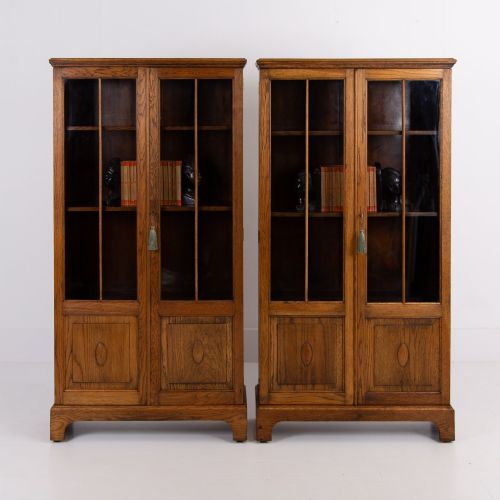
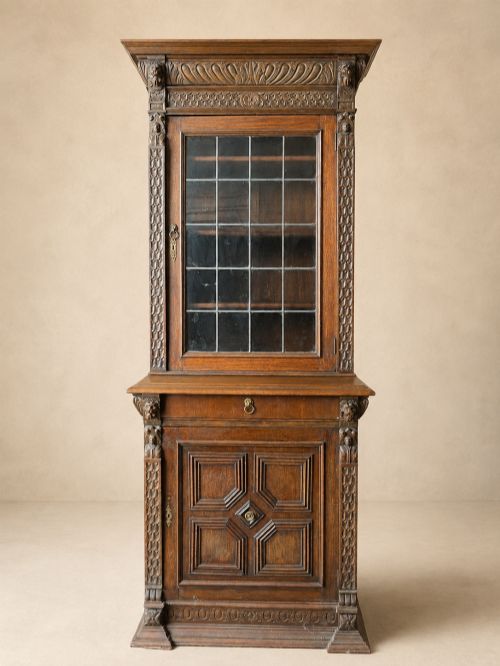
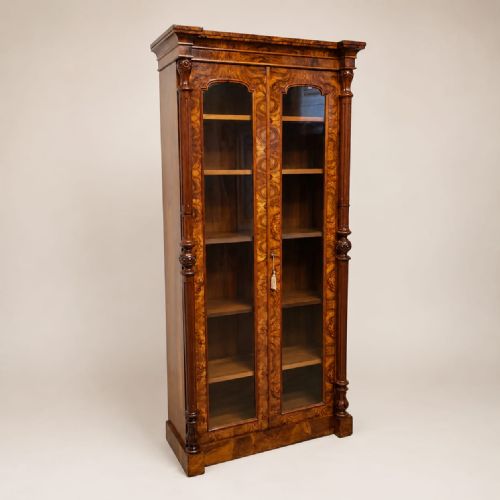
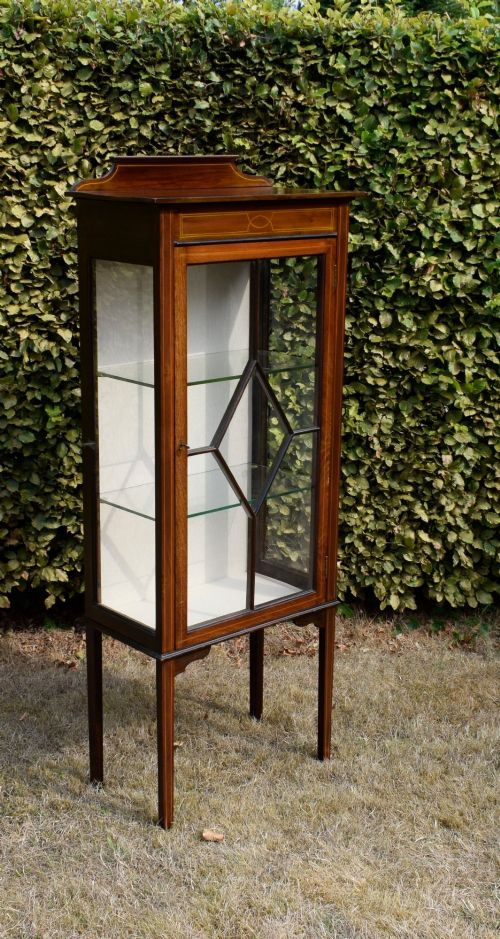
Narrow Glazed Display Cabinet
A narrow glazed display cabinet gives floor-standing presence without taking the room, keeping collections visible behind glass.
Narrow Glazed Display Cabinet
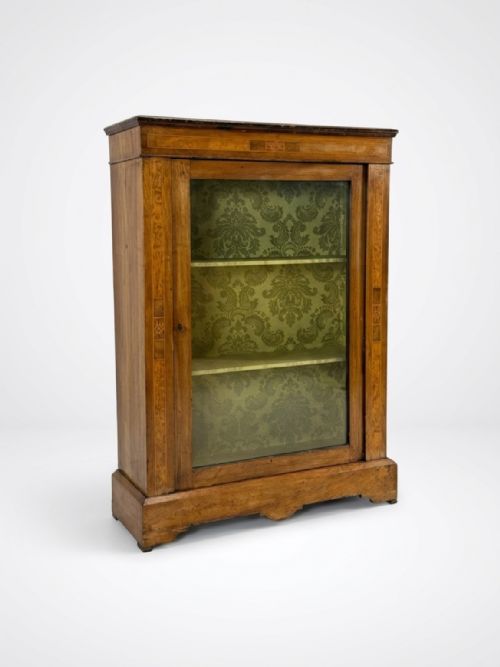
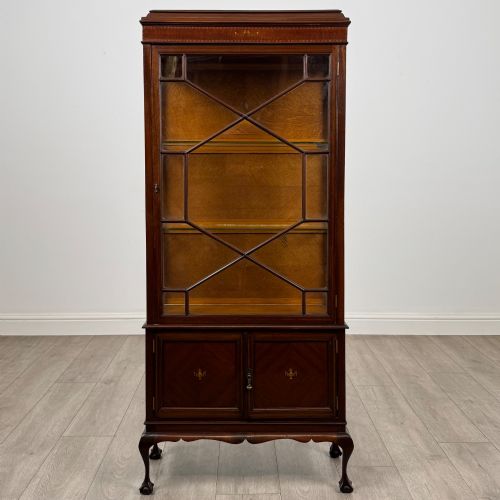
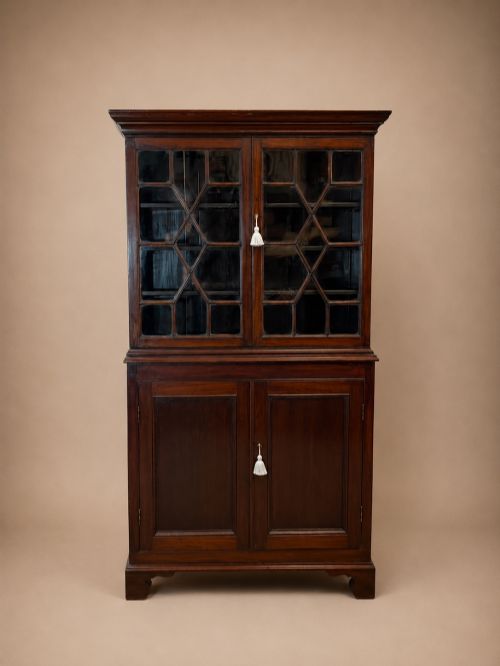
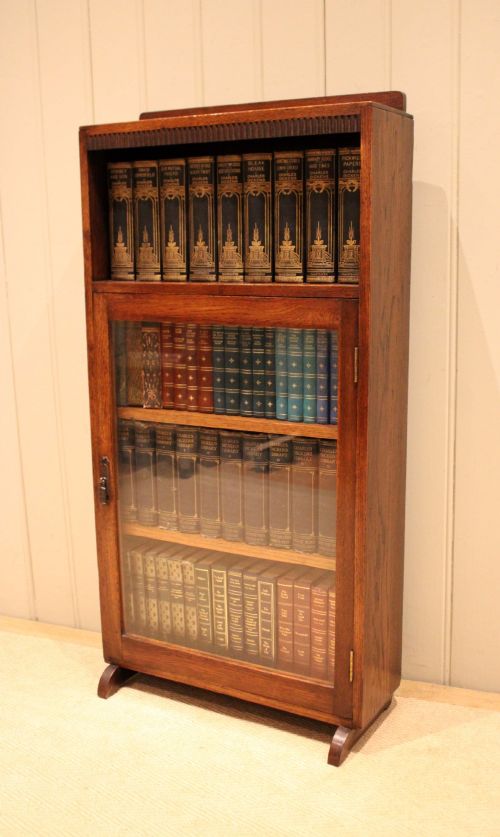
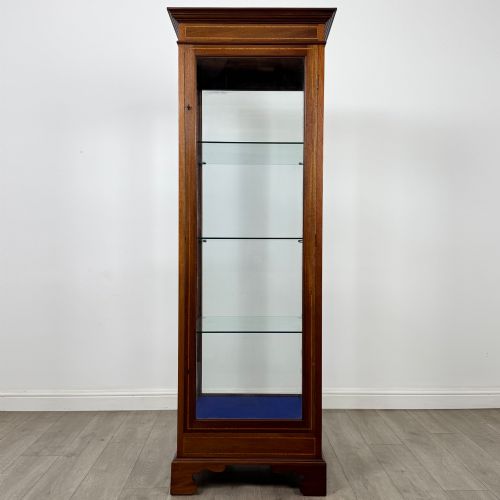
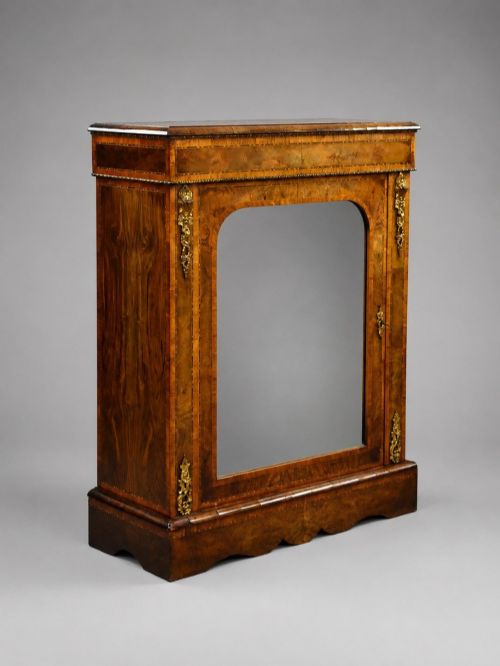
A narrow glazed display cabinet takes the form of tall, upright bookcases, pier cabinets, and slim storage pieces designed for restricted wall spaces. These pieces emerge from the nineteenth and twentieth centuries, spanning Victorian, Edwardian, and later periods.
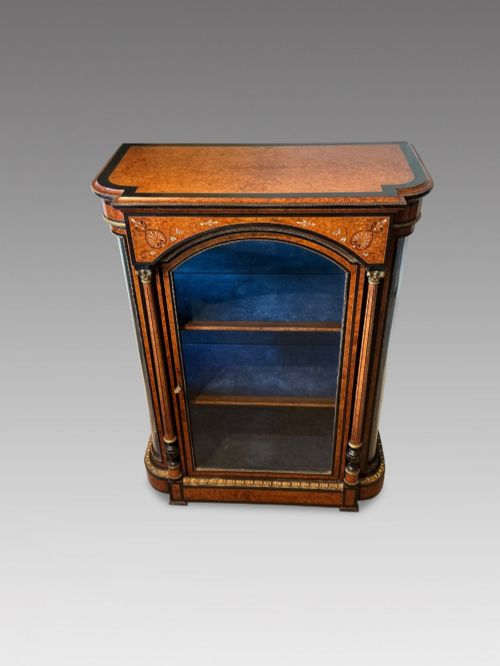
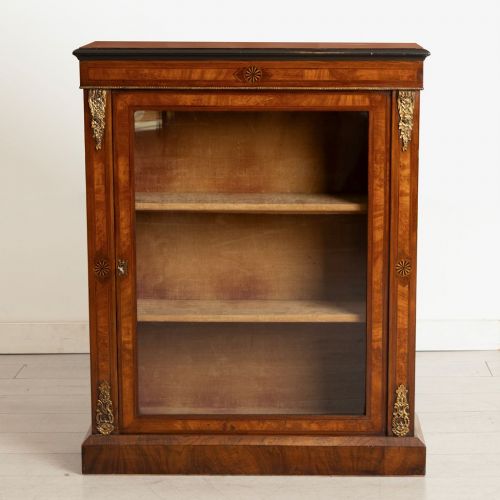
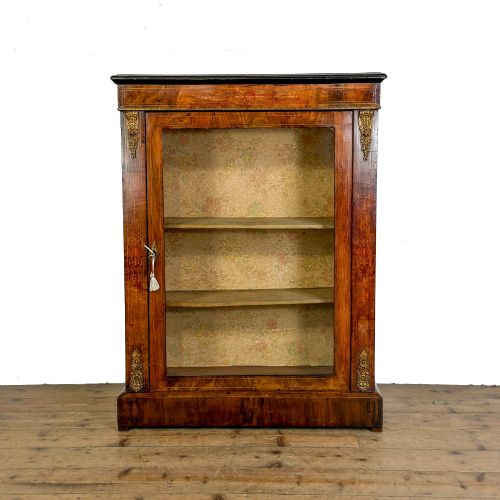
Victorian pier cabinets and tall nineteenth-century bookcases form the core of what appears here, alongside Edwardian satinwood and mahogany pieces. Makers built these slim proportions to fit tight corners and narrow pier walls between windows.
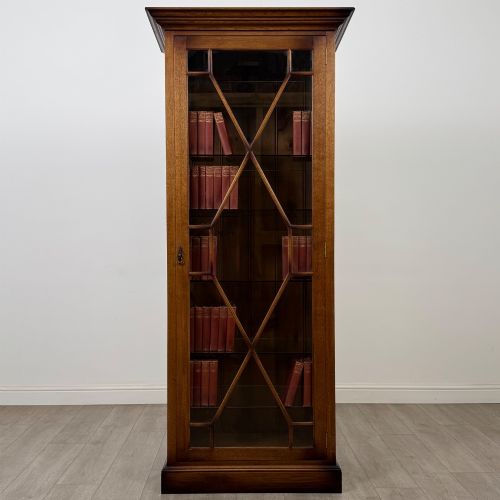
The objects serve primarily to house books and display porcelain or decorative items through glass doors. Single-door upright configurations and narrow double-door formats dominate the selection.
Materials and Technique
Cabinet makers built these pieces using solid timbers such as mahogany, walnut, oak, and pine, frequently applying burr walnut or mahogany veneers to principal surfaces. Secondary woods provide structural stability inside the carcasses.
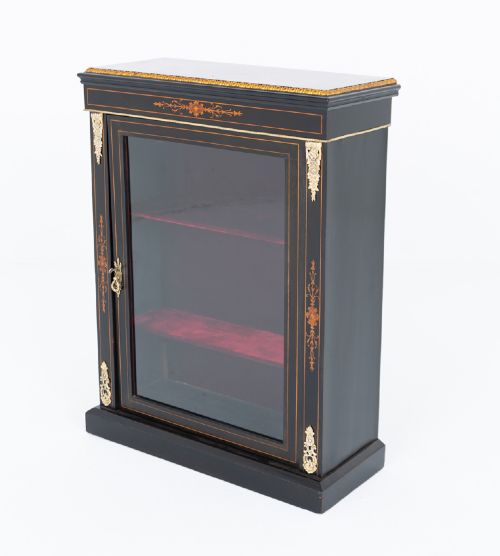
Glass panels are set into timber doors, sometimes featuring astragal bars or intricate framing. Brass hardware, ormolu mounts, and inlaid stringing in satinwood, ebony, and rosewood complete the decorative scheme on finer examples.
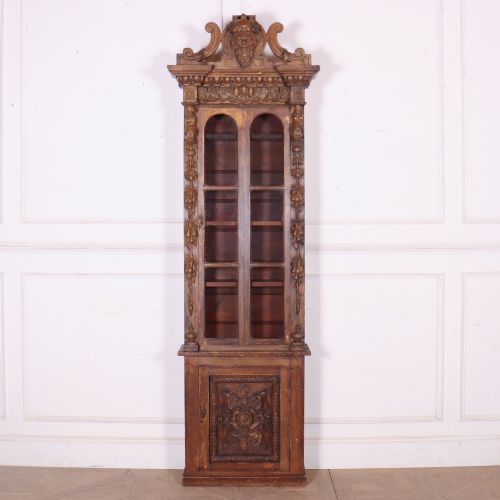
Surface treatments include traditional polishing, wax finishes, and ebonising. Carved details and marquetry panels appear on specific Victorian and Edwardian iterations.
Chimney cupboards tucked beside flues prove that historical tradesmen wasted not a single inch of awkward domestic architecture.
The Measure of Quality
The refinement of the timber selection dictates the distinction between standard and superior pieces, particularly where figured burr veneers or finely matched mahogany grains are concerned. Better workshops employed meticulous timber preparation that prevents warping over time.
The precision of internal joinery, including dovetailed drawer construction and the exact fit of glazed doors, separates utilitarian items from elite cabinet work. Finer examples integrate delicate inlay, hand-carved mouldings, and quality brass fittings rather than stamped metal replacements.
James Winter·Minty
The Narrow Glazed Display Cabinet Glossary
- Pier Cabinet
- A low or tall slim cabinet designed specifically to fit the wall space between windows, frequently featuring a single glazed door.
- Astragal Glazed
- Glass held within a framework of narrow wooden mouldings that divide the window into smaller panes.
- Ebonised
- Timber treated with a dark stain or finish to imitate ebony, popular during the Victorian period.
- Marquetry
- Decorative veneer work formed of inlaid pieces of wood, shell, or ivory to create detailed pictorial patterns.
- Ormolu
- Gilt bronze ornamentation applied to furniture mounts, hinges, and decorative trims.
Narrow Glazed Display Cabinet: Frequently Asked Questions
Where should I place a narrow glazed display cabinet?
These cabinets suit tight wall spaces, hallways, or corners where standard furniture overwhelms the room. Their restricted footprint allows them to stand between windows or beside larger pieces without blocking walkways.
The glass front also reflects light into darker corners, making them practical for smaller rooms that need functional storage without visual bulk.
How do I distinguish Victorian from Edwardian cabinets?
Victorian cabinets generally feature darker timbers like walnut and rosewood, often with heavier carved details, ebonised finishes, or elaborate marquetry. Proportions tend to be dense and solid.
Edwardian pieces shift towards lighter woods such as satinwood and lighter mahogany, frequently displaying Sheraton revival influences with delicate stringing and restrained inlay.
Can these cabinets hold heavy books?
Most narrow glazed display cabinets accommodate moderate book collections, though the interior shelving varies by original design. Pier cabinets and display pieces typically feature lighter timber shelves meant for porcelain and decorative objects rather than heavy folios.
Checking the thickness and support of internal wooden shelves determines whether a piece is better suited for library storage or display.
How do I care for the timber and glass?
Regular dusting with a dry, soft cloth prevents particulate buildup on both the wood and the glass panes. Avoid using modern silicone sprays, relying instead on traditional beeswax to nourish antique polished surfaces.
Keep the cabinet away from direct sunlight and steady heat sources to prevent timber shrinkage and veneer lifting.