
Napoleon III Table
A napoleon iii table brings nineteenth-century French elegance into a room through rich marquetry, gleaming ormolu, and refined forms.

Napoleon III Table
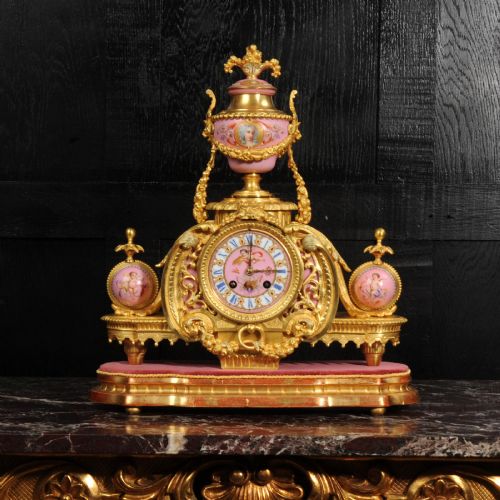
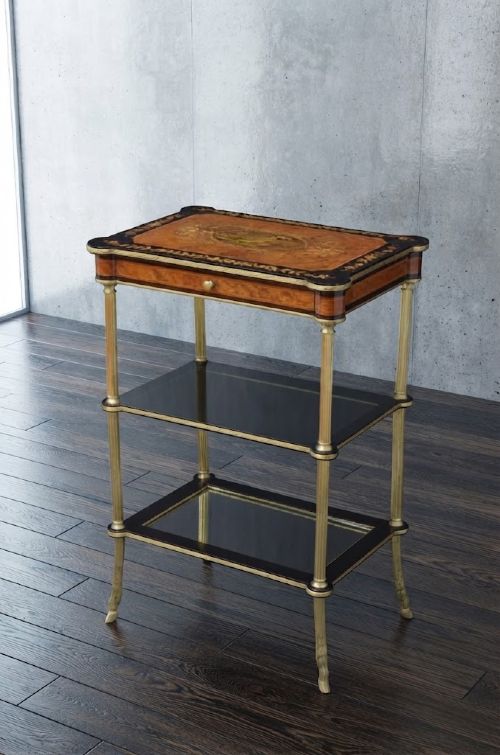
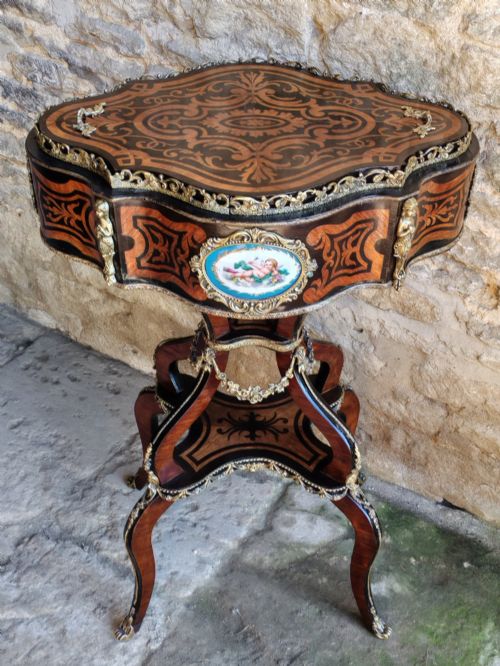
A napoleon iii table encompasses a diverse group of nineteenth-century French furnishings designed for writing, display, and social gatherings. The selection spans robust centre tables, intricate bureau plat writing desks, and tiered etageres.
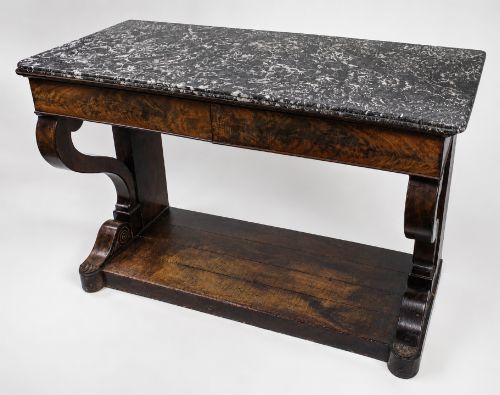
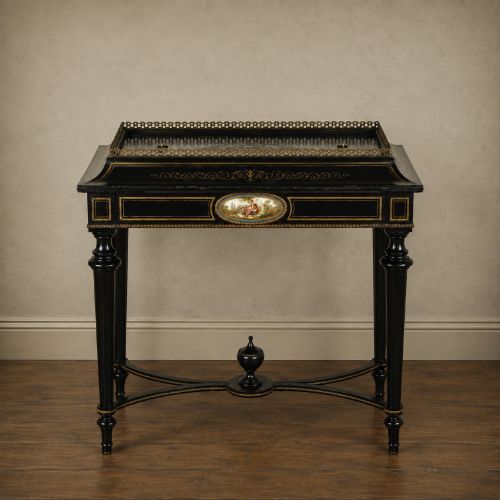
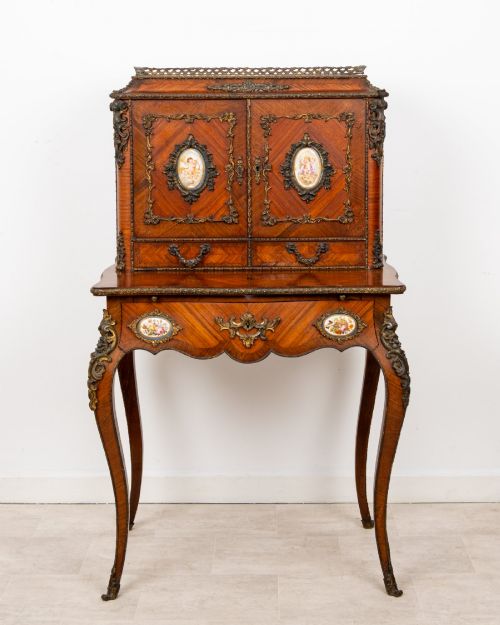
Buyers frequently encounter ebonised wood surfaces, elaborate brass inlays, and porcelain plaques reflecting revivals of earlier French royal styles. These pieces range from compact side tables to substantial console tables supported by gilt bronze mounts.
The objects demonstrate the eclectic tastes of the period, combining walnut, kingwood, and rosewood with decorative marquetry patterns. Surviving examples often serve as functional writing desks, occasional tables, or decorative plant stands.
How they were made
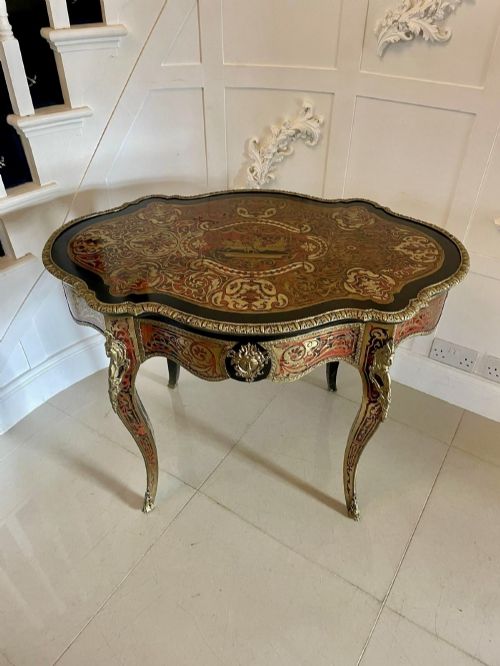
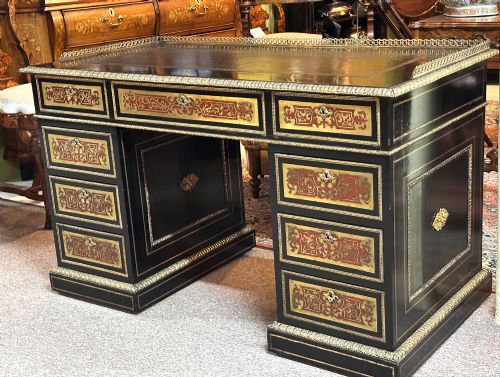
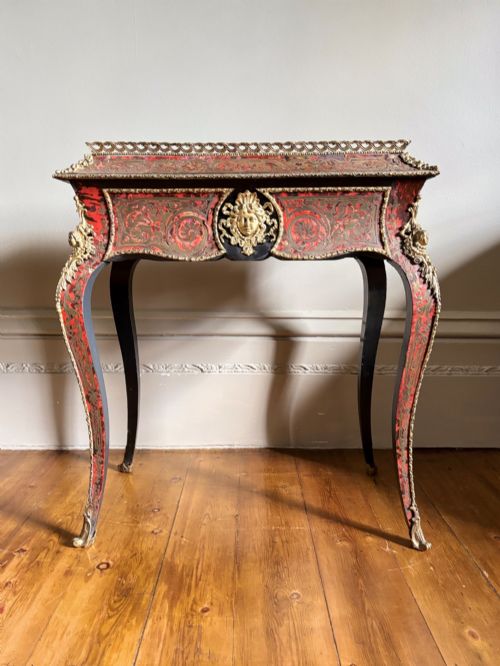
Cabinetmakers utilised dense timbers such as mahogany, walnut, and kingwood as foundations for intricate veneer work and contrasting ebonised finishes. Artisans applied delicate brass and tortoiseshell marquetry in the Boulle technique to create luminous geometric and floral patterns.
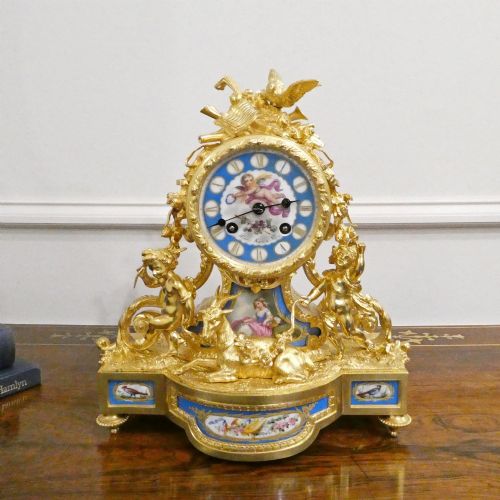
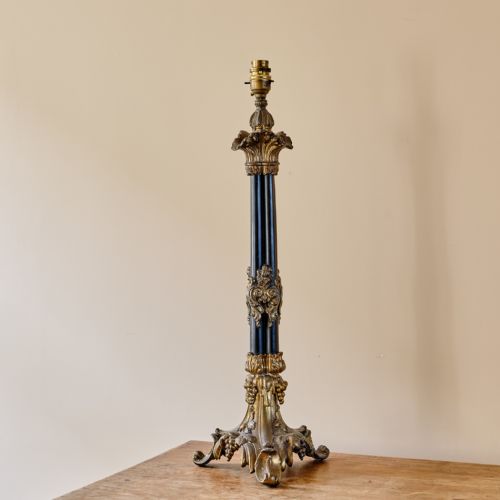
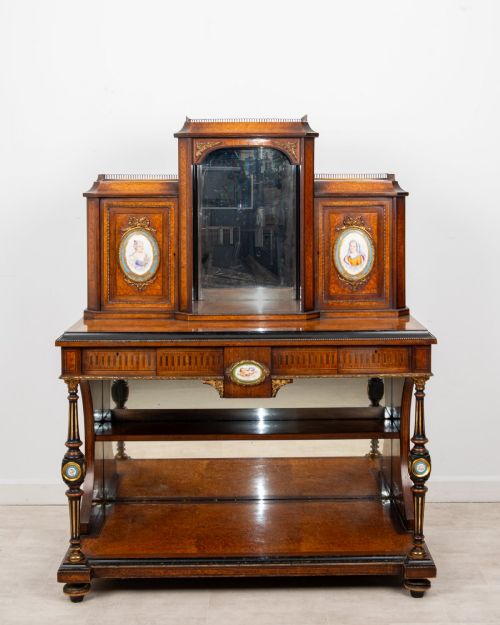
Gilt bronze and ormolu mounts were cast and chased to accentuate corners, legs, and borders, adding sculptural definition to the woodwork. Many surfaces incorporate hand-painted porcelain plaques or Vernis Martin panels secured within the overall design.
Napoleon III Table Retail Price Guide 2026
Typical asking prices for napoleon iii table among the pieces listed under this phrase on Sellingantiques today, from the lower quarter to the upper quarter. They describe what is for sale here now, not the wider market.
Listings feature extensive examples of ebonised wood, ormolu mounts, and intricate Boulle marquetry across various nineteenth-century forms.
What varies in quality
The calibre of a napoleon iii table depends heavily on the precision of the marquetry and the crispness of the bronze casting. Finer pieces display deeply chased ormolu mounts and seamless inlay work that integrates harmoniously with the primary timber.
Structural integrity and the retention of original decorative elements distinguish superior examples from standard production. The quality of secondary woods, hand-painted ceramic details, and the depth of the polish determine the overall standing of an individual piece.
Achille Brocot·Henry Marc·Etienne Lenoir·G. Trollope & Sons
The Napoleon III Table Glossary
- Ormolu
- Gilded bronze applied as decorative mounts on furniture and clocks. The technique involves a mercury amalgam process used extensively in nineteenth-century French ateliers.
- Boulle work
- A style of marquetry using brass and tortoiseshell inlaid in contrasting patterns. Named after the royal cabinetmaker André-Charles Boulle, it gained immense popularity during the nineteenth century.
- Bureau plat
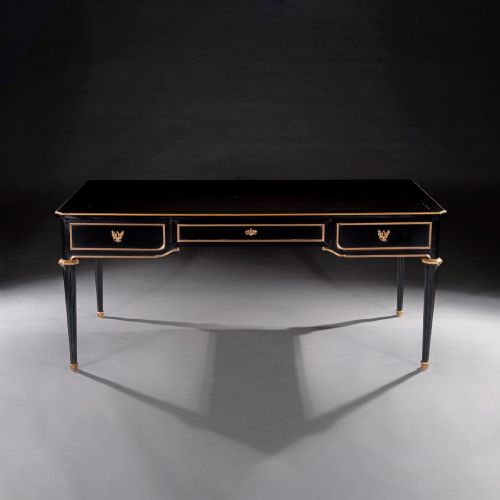
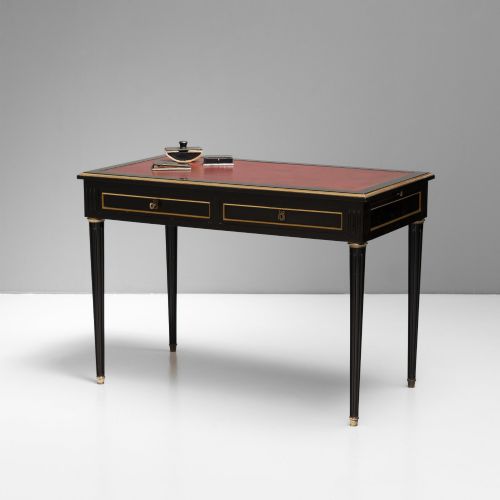
- A freestanding writing table featuring a rectangular top and drawers in the frieze. These desks often display elaborate leather inserts and corner mounts.
- Bonheur-du-jour
- A light ladies writing desk featuring a small cabinet or tiers superstructure above the main writing surface. These compact pieces frequently incorporate porcelain plaques and delicate legs.
- Étagère
- An open piece of furniture consisting of several levels or tiers used for display. They appear frequently as freestanding centre tables or corner stands.
- Champlevé
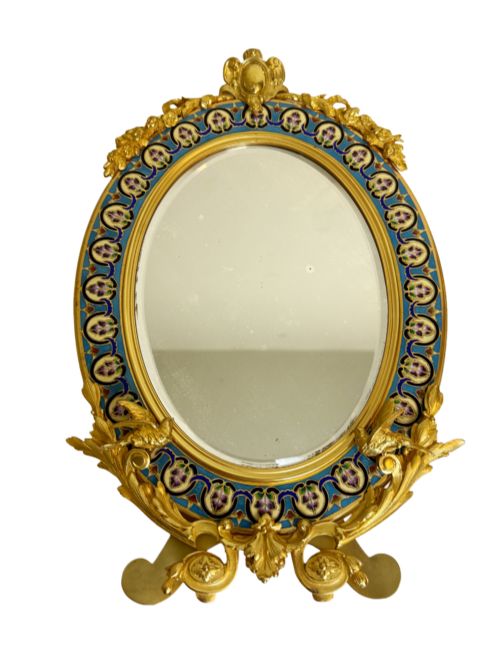
- An enamelling technique where troughs are carved into metal and filled with vitreous enamel before firing. It appears frequently on clock faces and decorative desk accessories.
Napoleon III Table: Frequently Asked Questions
What defines a napoleon iii table?
These tables are nineteenth-century French furnishings characterised by eclectic revivals of Louis XIV, XV, and XVI styles. They frequently combine dark ebonised woods with bright ormolu mounts and intricate marquetry.
They reflect the prosperous and decorative tastes of the Second French Empire. Common forms include writing desks, games tables, and tiered display stands.
How do I identify the wood used?
Cabinetmakers relied on exotic timbers like kingwood, rosewood, and walnut for their rich grains and natural colours. Many pieces feature an ebonised finish where fruitwood or beech was stained black to imitate ebony.
Contrasting veneers were often arranged in geometric patterns or floral marquetry across the top and sides. Secondary timbers inside drawers usually consist of oak or mahogany.
Were these tables used for writing?
Many examples, such as the bureau plat and bonheur-du-jour, were specifically designed for correspondence and administrative tasks. They incorporate fitted drawers, leather writing surfaces, and upper compartments for stationery.
Other variations served as occasional tables, card tables with folding tops, or decorative stands for porcelain and plants.
How do I care for ebonised wood?
Ebonised surfaces require gentle dusting with a soft, dry cloth to prevent micro-scratching on the dark polish. Avoid placing them in direct sunlight or near heat sources that can dry out the historic timber.
Application of appropriate furniture wax helps nourish the wood without clouding the delicate ormolu mounts and metal inlays.