



Naive Folk Art
Naive folk art gathers unpretentious portraits, carved animals, and domestic scenes made by self-taught hands across the centuries.
Naive Folk Art
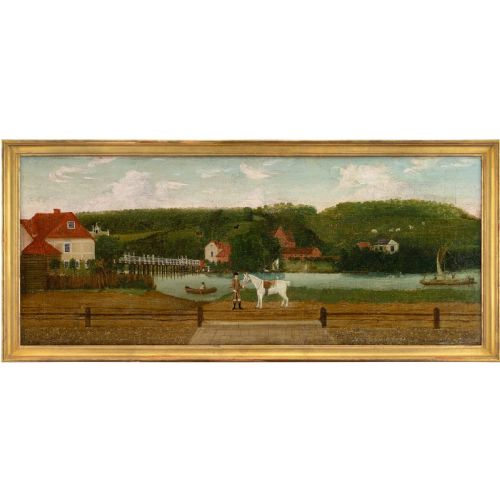
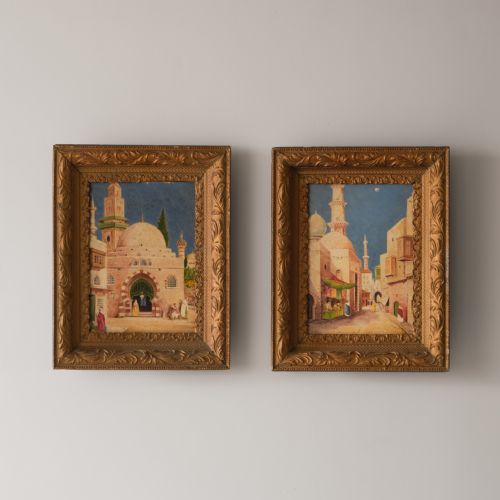
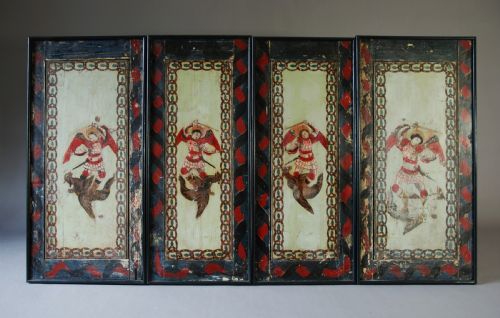
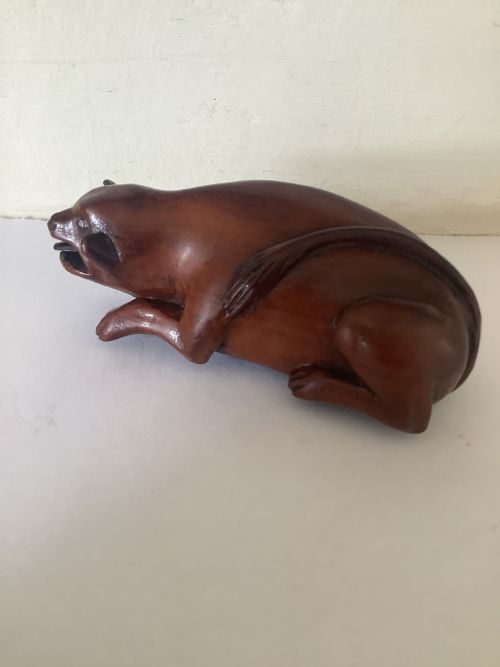
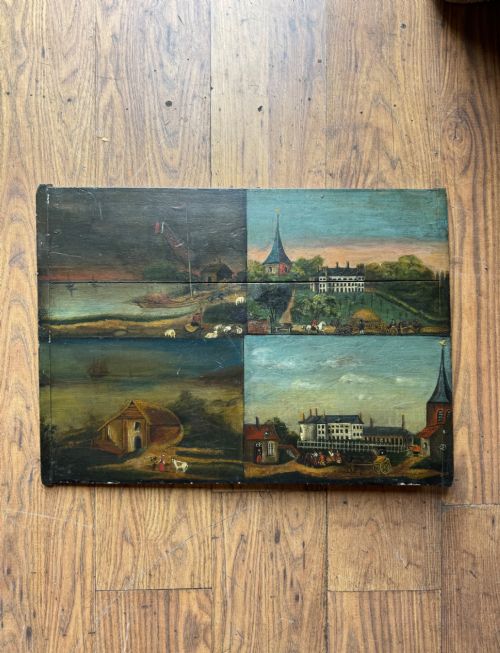
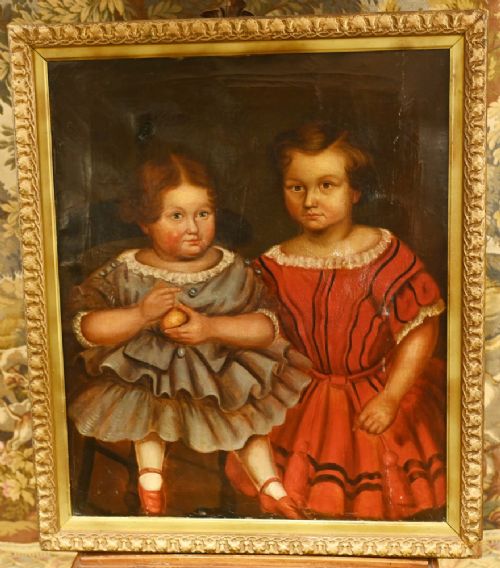
Naive folk art encompasses everything from 18th-century painted pine panels and oil portraits to 19th-century carved wooden horses, dioramas, and tin toys.
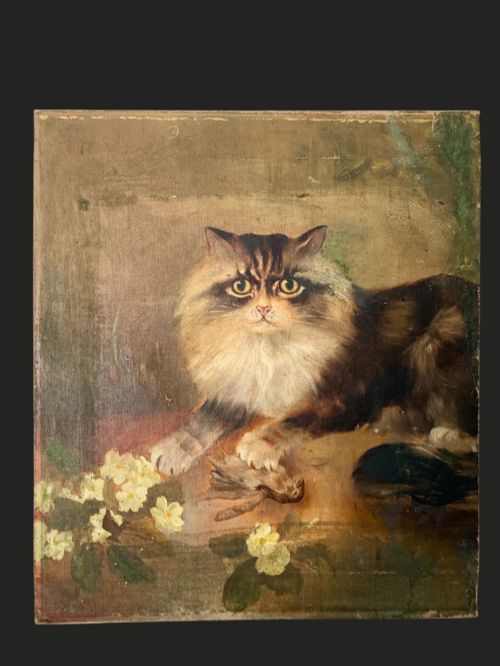
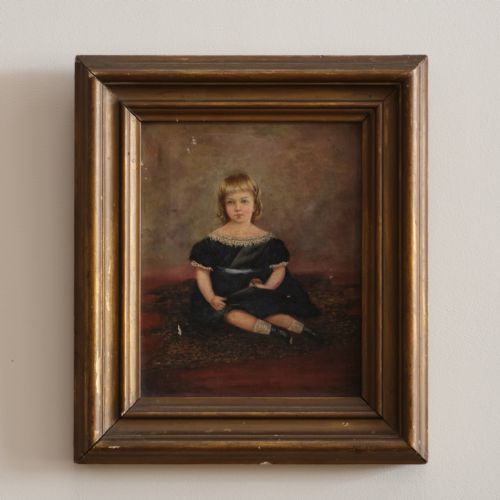
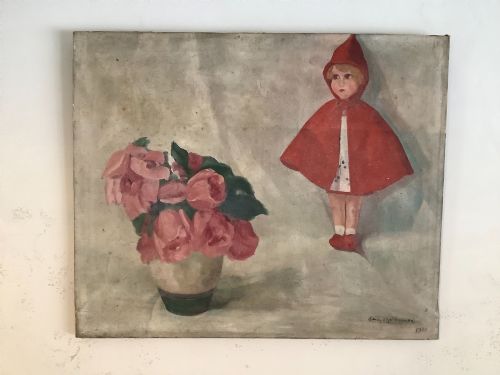
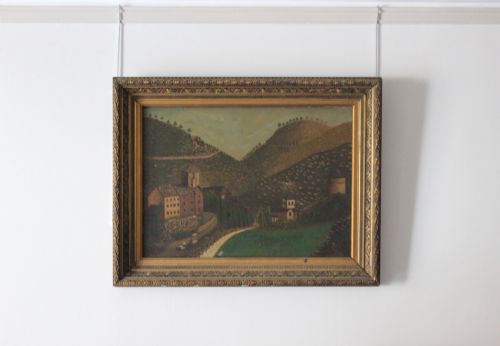
The objects on this page lean heavily toward 19th-century oil paintings on canvas and board, alongside provincial wooden sculptures and household items.
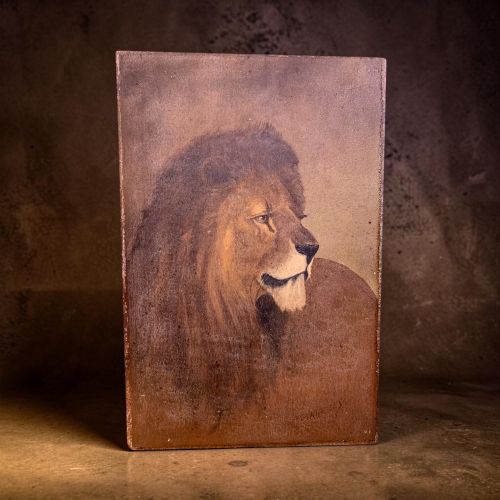
Makers ranged from untutored local painters recording gentlemen, children, and animals to sailors and domestic workers crafting boxes and figures from available materials.
How they were made
Many works utilise oil paint applied to canvas, wood panels, or boards, often showing direct brushwork without academic perspective.
Sculptural pieces rely on carved wood, sometimes enhanced with original paint, woolwork, shellwork, or patinated brass.
Makers used readily accessible domestic and maritime materials, turning pine panels, branches, coconut shells, and paper into lasting decorative objects.
Listings feature 19th-century oil paintings alongside carved wooden horses, woolwork, and dioramas.
What varies in quality
Quality rests on the strength of the untrained perspective and the character captured in a face, animal, or scene.
Surface preservation matters greatly, particularly whether old paint, patination, and canvas remain undisturbed by heavy restoration.
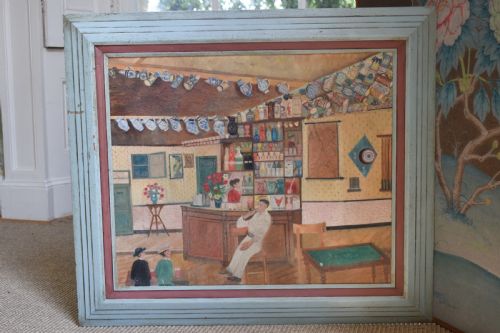
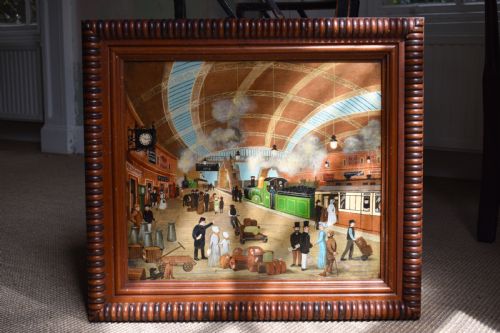
The ambition of the piece distinguishes standard items from exceptional survivals, such as large multi-figure dioramas or detailed architectural panels.
J Brown·E H Windred·Gertrude Halsband·W Charaton
The Naive Folk Art Glossary
- Folk art
- Art made by self-taught individuals working within a community tradition rather than an academic one. These items prioritize utility, personal expression, and direct visual storytelling over strict proportion.
- Primitive
- A descriptive term for early or untutored artistic styles that lack classical perspective and shading. It highlights the raw, foundational approach of the maker.
- Provincial
- Objects originating from regions outside the capital or major artistic centres. Provincial pieces often reflect local materials and regional tastes.
- Diorama
- A three-dimensional scene housed within a box or case, often incorporating painted backgrounds with carved or constructed figures. Sailors and hobbyists frequently built these to depict ships or houses.
- Mangle board
- A carved wooden board used historically in Scandinavia for smoothing linen. They frequently feature intricate folk carving and dates.
Naive Folk Art: Frequently Asked Questions
What defines naive folk art?
Naive folk art is distinguished by an absence of formal academic training in the maker. Artists prioritized direct observation and personal expression over correct perspective and anatomical accuracy.
This results in charmingly idiosyncratic portraits, sculptures, and household objects that capture the domestic and social life of their time.
How old are most pieces?
The majority of pieces date from the 18th and 19th centuries, reflecting a period when domestic craft and local portraiture flourished.
Earlier examples include 18th-century painted panels and carved horses, while 19th-century works expand into oil paintings, dioramas, and shellwork.
How were these objects used originally?
Many items served practical or decorative roles in homes, farms, and ships. Painted panels adorned interiors, while carved boxes, money banks, and stools fulfilled daily household needs.
Other works, such as portraits and dioramas, commemorated family members, pets, or significant trades.
How do I care for antique painted wood?
Antique painted wood requires stable indoor humidity and protection from direct sunlight to preserve fragile pigments. Dusting should be done gently with a dry, soft cloth.
Avoid chemical cleaners or moisture, which can lift original paint layers and patination.