


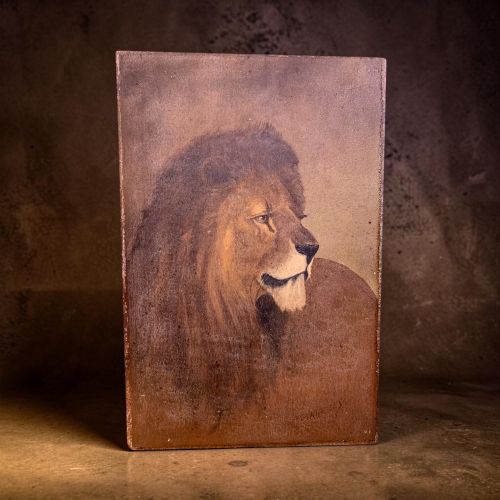

Naive Art Painting
When you search for a naive art painting, you are looking for unpretentious works that capture character and everyday life without formal academic polish.
Naive Art Painting
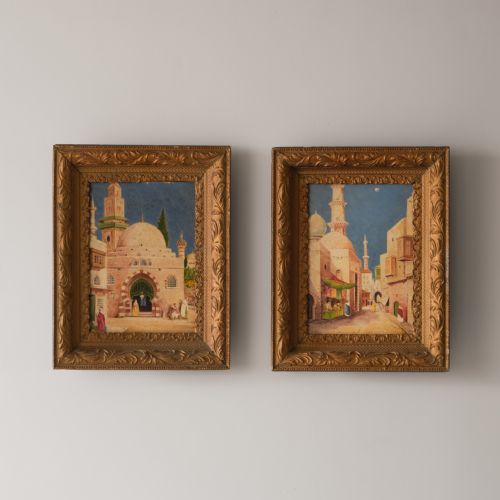
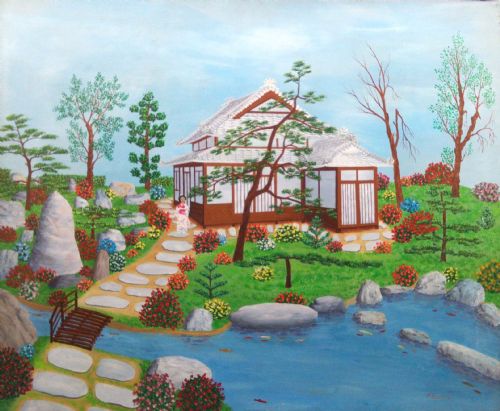
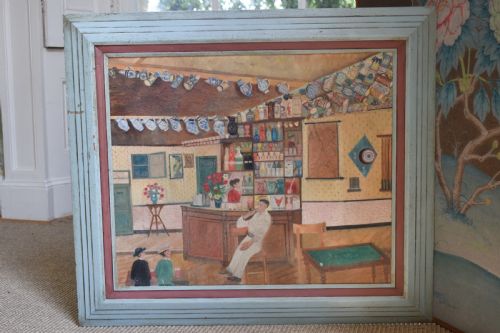
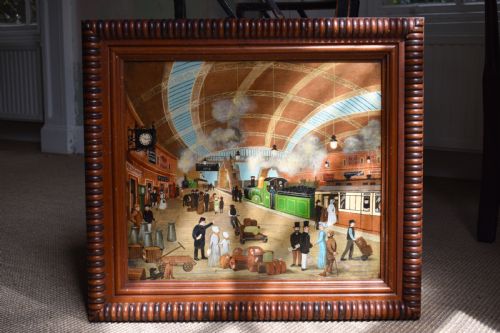
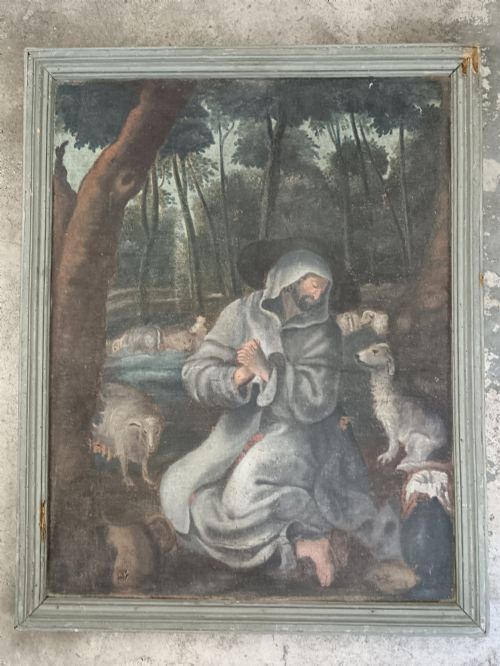
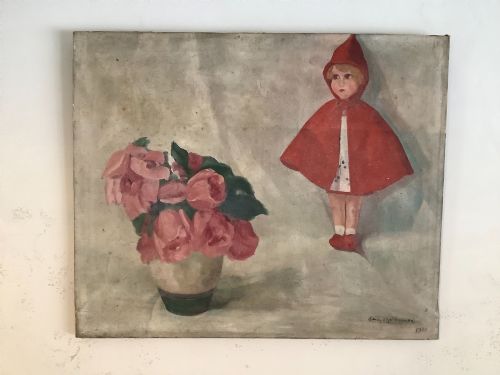
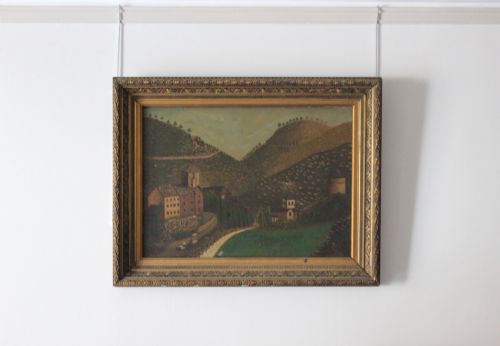
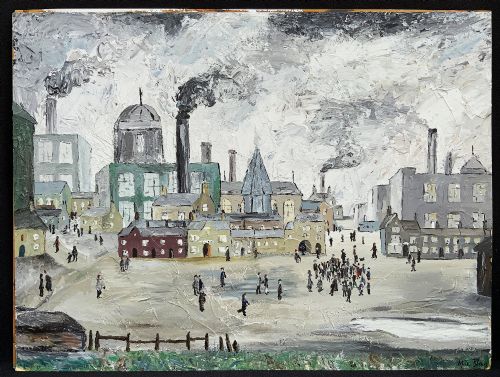
A naive art painting represents a distinct tradition of visual expression that bypasses traditional perspective and academic proportion in favour of direct observation and individual charm. The pieces available here span from the eighteenth century through to the mid-twentieth century, encompassing British, American, and European provincial schools.
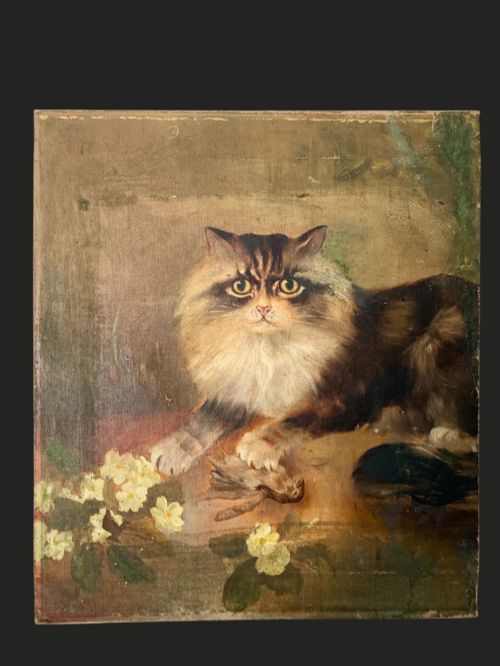
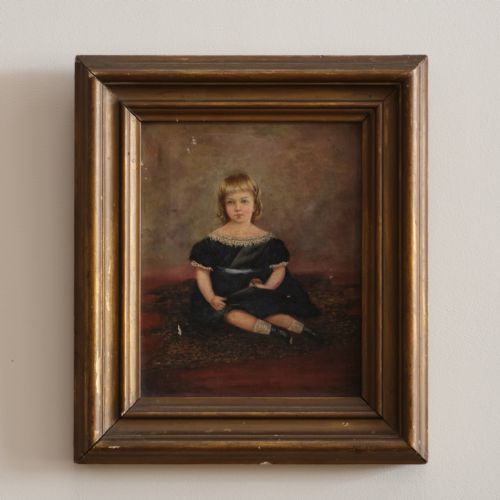
You are most likely to encounter nineteenth-century portraits of individuals, children, and animals, alongside topographical scenes and narrative compositions. These works frequently record domestic animals, local estates, and regional characters with a striking immediacy.
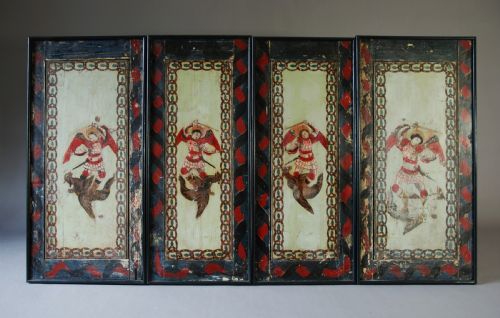
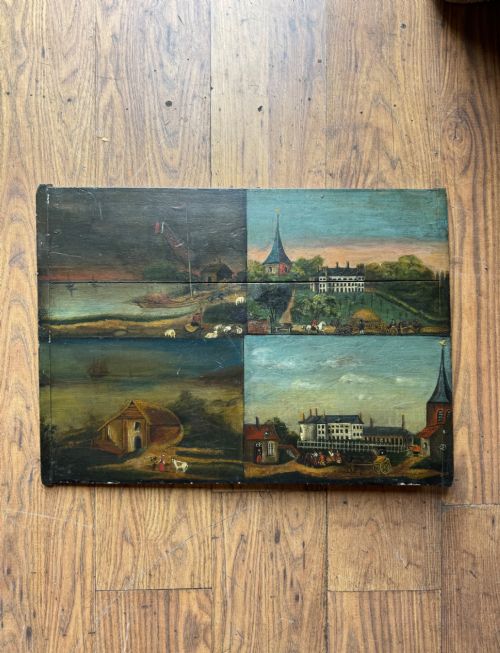
Beyond standard canvas paintings, the selection includes works executed on wood panels, board, and paper, alongside painted pine panels and occasional sculptural objects like wooden horses.
How they were made
Artists utilised oil paint as the primary medium, applying it directly to prepared canvas, wooden panels, or board using straightforward brushwork. Watercolour and ink also appear on paper supports, particularly in portraiture and illustrated records.
The physical construction often involves simple stretcher frames or direct mounting on wood and pine panels, reflecting the domestic and provincial environments in which the makers operated.
Several pieces preserve the specific likenesses of racing pigeons, wooden-legged gentlemen, and domestic pets.
What varies in quality
The distinction between ordinary and exceptional pieces lies in the strength of composition and the individuality of characterisation. Stronger works command attention through confident colour choices and an expressive handling of space that transcends mere technical limitation.
Condition and originality play a significant part in distinguishing the range, particularly the survival of untouched surfaces and original framing. Pieces that retain their early context without aggressive restoration offer a more direct connection to the period.
J Brown·Fred Yates·E H Windred·Gertrude Halsband·W Charaton
The Naive Art Painting Glossary
- Naive art
- Art produced by a person without formal training, typically characterised by a lack of perspective and a reliance on instinct and memory.
- Pentimento
- A visible trace of earlier painting beneath a layer or layers of paint, showing where the artist has changed their mind during composition.
- Provincial
- Originating from regions outside the capital city centre, often displaying local traditions and materials rather than metropolitan academic standards.
- Topographical
- Depicting a specific real-world place, building, or landscape rather than an imaginary or idealized scene.
Naive Art Painting: Frequently Asked Questions
What is a naive art painting?
A naive art painting is a work created by an artist without formal academic training who relies on personal vision rather than strict rules of perspective and proportion.
These pieces often display a direct and unvarnished approach to subjects like portraits, animals, and local landscapes.
How do I date a naive painting?
Dating relies heavily on the materials used, such as the type of canvas, stretcher construction, and the style of framing or panel preparation.
Costume, hair styles, and handwritten inscriptions on the reverse of the work also provide reliable clues to the period.
Where were these paintings made?
These works were produced across Britain, Europe, and America, often within regional communities and provincial towns rather than major metropolitan centres.
Local painters recorded the people, animals, and landscapes immediately surrounding them.
How should I display naive art?
These works suit a variety of interiors, pairing well with both period antiques and modern minimalist spaces due to their straightforward visual appeal.
Keep them out of direct sunlight to protect oil paint and paper from fading over time.