




Rustic Wall Decor Painting
These rustic wall decor painting pieces span centuries of rural life, offering tactile folk art, landscapes, and trade signs to ground modern interiors.
Rustic Wall Decor Painting
When you search for rustic wall decor painting, you encounter a varied selection of works ranging from primitive folk art to academic realisms and vintage commercial signs. The pieces found here cross multiple eras, including the 18th century, Victorian period, and early 20th century.
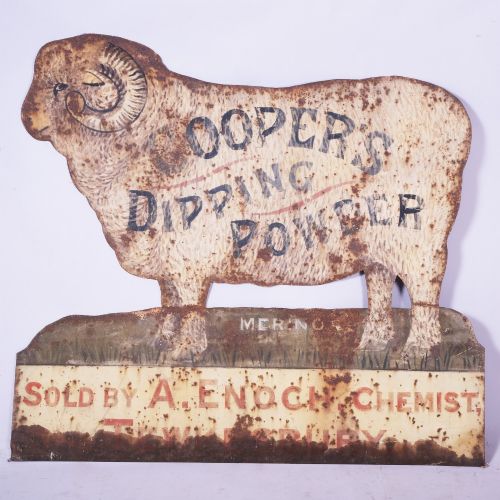
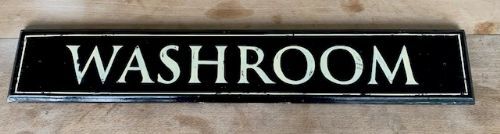
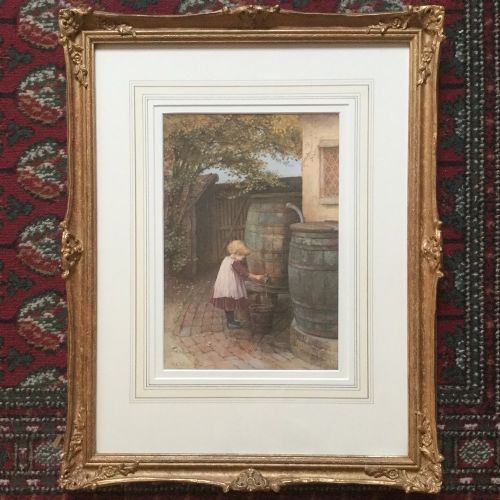
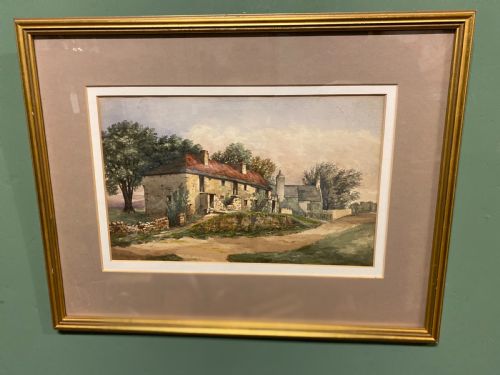
Most items combine paint and timber or canvas, taking the form of traditional oil paintings, watercolours, lithographs, and hand-painted wooden washroom or advertising signs. These objects capture agrarian scenes, rural street views, and domestic animals through the hands of period artists and vernacular makers.
Originating from British, French, and wider European traditions, these works bring historical narrative and earthy textures directly into domestic spaces. The selection moves effortlessly from pastoral landscapes to industrial trade relics, reflecting the practical and decorative needs of past households.
Materials and construction methods
The construction of these pieces relies heavily on traditional supports such as canvas laid onto board, wooden panels, and heavy paper, often housed within period gilt or timber frames. Pigments applied include oil paint and watercolour, utilising techniques passed down through generations of academic and vernacular workshops.
Metal elements like iron appear frequently in signage and structural fixtures, combining with gesso and glass to create durable pieces designed for everyday use. Reclaimed wood and painted pine serve as common backdrops for hand-lettered commercial graphics and folk art scenes.
The listings show a strong presence of oil paint and canvas alongside painted wood, iron, and paper across the 18th, 19th, and early 20th centuries.
Factors that separate quality tiers
The degree of artistic execution and the handling of perspective separate standard decorative items from works of higher academic skill. Pieces linked to specific schools or circles demonstrate a surer command of tone and composition than anonymous primitive works.
Material survival and the integrity of the original surface dictate the standing of each piece, with untouched painted pine and early canvas holding greater authenticity. The weight of framing, the crispness of hand-painted lettering, and the depth of the oil layers all contribute to the overall impact.
The Rustic Wall Decor Painting Glossary
- Folk art
- Art produced from an indigenous cultural tradition, often by self-taught makers focusing on domestic or rural subjects. These works prioritise direct expression over academic rules of perspective and proportion.
- Gesso
- A paint mixture consisting of a neutral binder mixed with chalk, gypsum, or pigment used to prepare surfaces for painting or gilding. It provides a smooth base for delicate detail work on frames and panels.
- Vernacular
- Everyday architecture, objects, or art created by local makers using traditional methods and regional materials. Such pieces reflect the practical requirements of rural communities rather than high-style metropolitan fashions.
- Lithograph
- A print made from a design drawn on a flat stone or metal plate with a greasy crayon. The method allows for the faithful reproduction of original paintings and drawings.
- Still life
- A painting or drawing depicting mostly inanimate subject matter, typically everyday items. These compositions focus on texture, light, and arrangement.
Rustic Wall Decor Painting: Frequently Asked Questions
What periods do these paintings cover?
The available selection spans from the late eighteenth century through the Victorian era and into the early twentieth century. Pieces encompass Georgian items as well as Edwardian folk art.
This broad chronological range allows collectors to find items matching specific historical interiors, from rustic Georgian pine to vintage commercial signage.
How do I care for antique painted wood?
Keep painted wooden signs and panels away from direct sunlight and fluctuating humidity to prevent the timber from warping and the paint from flaking. Dust gently with a dry, soft cloth without applying modern chemical polishes.
Preserving the original surface requires maintaining stable indoor conditions and avoiding abrasive cleaning materials that might strip the historic pigment.
What is the difference between folk art and academic painting?
Folk art is typically produced by self-taught makers focusing on local subjects with a direct, unpretentious approach to form and perspective. Academic painting follows formal rules taught in art academies, emphasising strict proportions and realism.
Both styles appear within rustic wall decor, offering distinct visual textures depending on whether the maker was a local artisan or a trained artist.
Are these advertising signs original?
The signs listed include vintage hand-painted wooden washroom boards and nineteenth-century iron trade signs created for actual commercial use. They bear the marks and wear associated with their original working environments.
Such pieces functioned as practical notices or advertisements before being repurposed as decorative wall art.