





Multicolour Tribal Rug
When you select a multicolour tribal rug, you choose a textile born from nomadic traditions, woven with geometric patterns and dyed with earthy hues.
Multicolour Tribal Rug
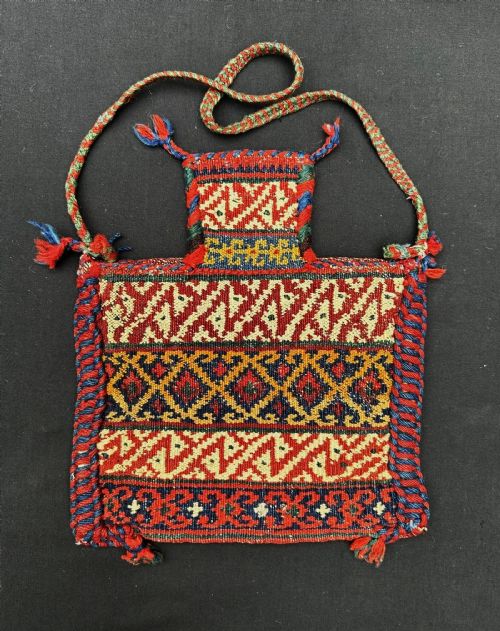
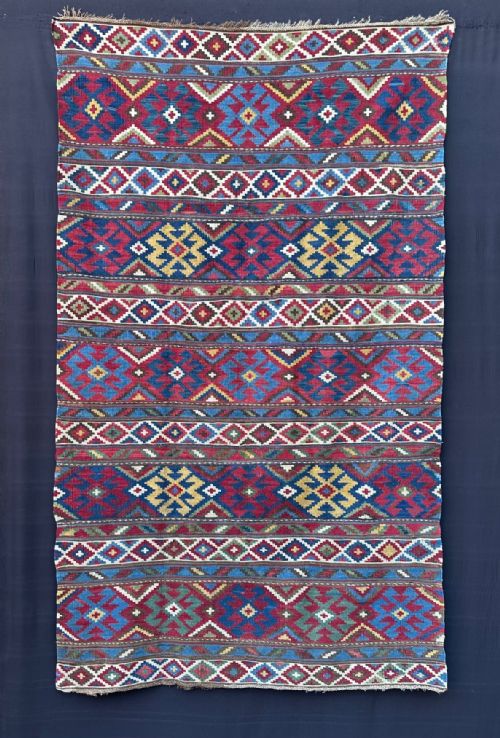
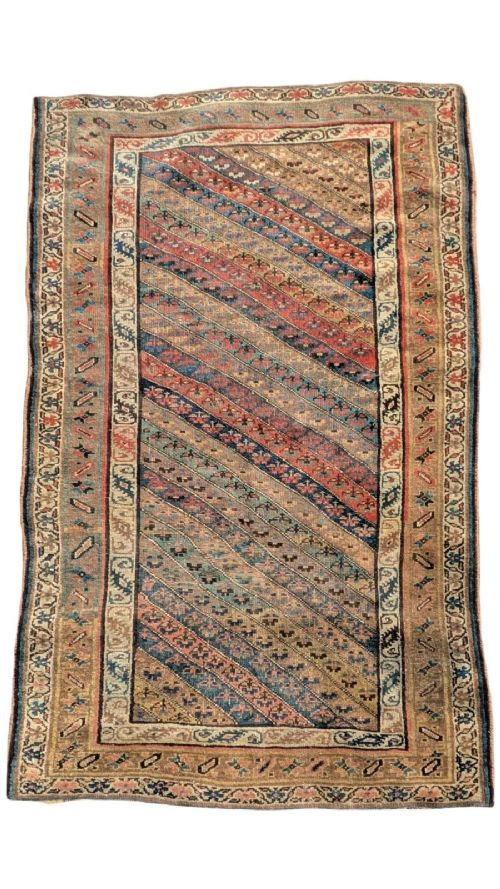
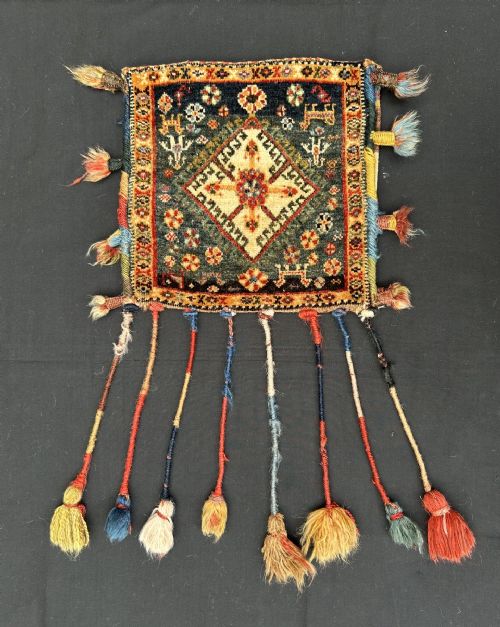
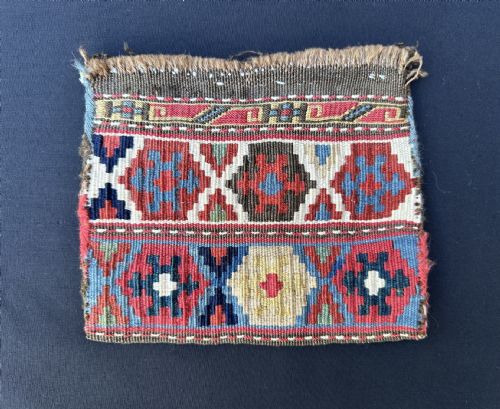
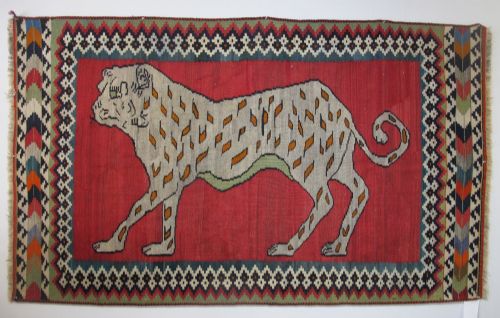
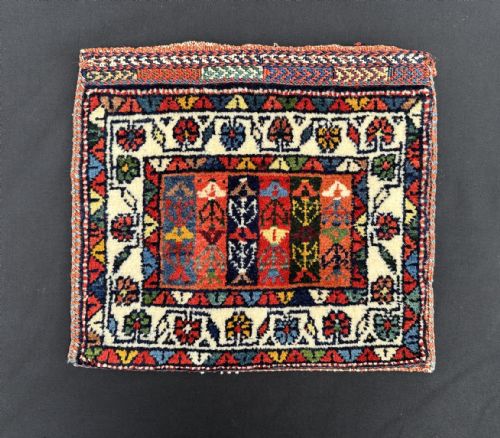
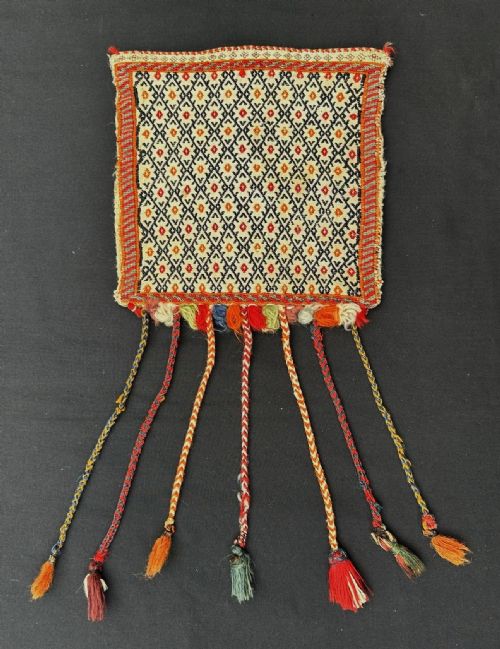
A multicolour tribal rug encompasses flat-woven kilims, pile carpets, long runners, and small utilitarian items like vanity bags and tobacco pouches. These textiles originate from the weaving traditions of nomadic and village groups across Persia, the Caucasus, Anatolia, and Central Asia.
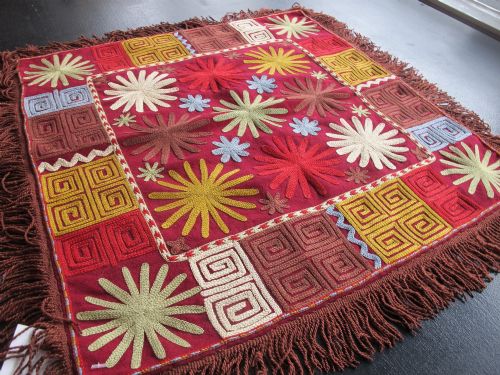
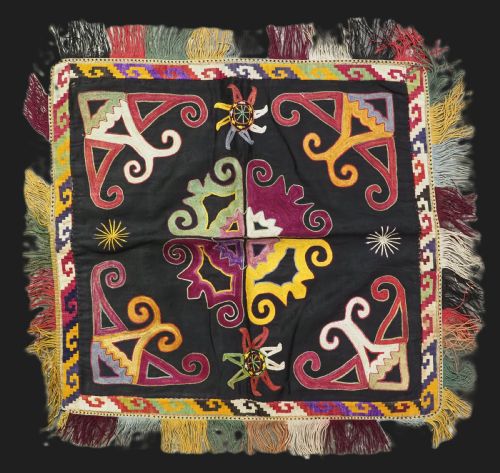
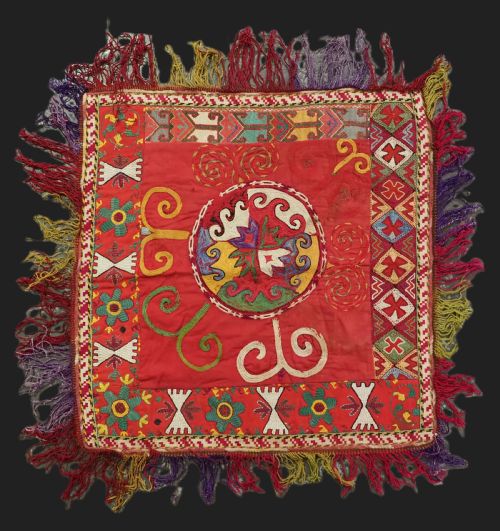
The pieces available on this page reflect diverse regional styles, spanning Kurdish, Qashqa'i, Shirvan, and Uzbek cultures. Buyers encounter formats ranging from large floor coverings to embroidered wall hangings and saddlebag faces dating from the mid-nineteenth century to the early twentieth century.
Makers utilised traditional motifs such as repeated medallions, boteh patterns, and bold graphic stripes to denote tribal identity and cultural heritage. Each textile serves as a durable record of domestic handcraft, created for practical use within nomadic camps and rural settlements.
How They Were Made
Weavers constructed these pieces primarily using hand-spun wool, cotton, and silk foundations, often incorporating natural dyes derived from plants and minerals to produce deep, varied palettes. Artisans also employed felt, leather, and wood elements in specific utilitarian objects such as cradles and ceremonial horse covers.
Techniques varied by region and purpose, ranging from flat-woven tapestry structures seen in kilims to dense pile knots and intricate surface embroidery. Central Asian embroideries feature applied fringe and complex needlework on camel hair grounds or cotton backing fabrics.
Nomadic weavers occasionally included tiny deliberate asymmetry in their geometric borders to ward off the evil eye.
What Varies in Quality
The quality of these textiles depends upon the tightness of the weave, the precision of the geometric layout, and the stability of the materials used in the foundation. Tighter knotting and finer spinning yield greater durability and sharper definition in complex medallion or striped designs.
The richness and depth of the natural dyes significantly influence the visual impact of a piece, with harmonious colour ageing marking superior examples. Additionally, the intact survival of original side cords, fringes, and structural borders distinguishes better-preserved specimens.
The Multicolour Tribal Rug Glossary
- Kilim
- A flat-woven carpet or rug produced without a pile, common in Anatolian, Caucasian, and Persian weaving traditions. These textiles feature slit-weave techniques that create sharp geometric patterns.
- Chanteh
- A small woven bag or vanity pouch produced by nomadic tribes for personal storage. These items typically display the same intricate iconography found on larger carpets.
- Suzani
- An embroidered textile originating from Central Asia, often created as dowry pieces or wall hangings. They feature bold floral or geometric needlework on a light fabric ground.
- Jajim
- A flat-woven textile produced in narrow strips and stitched together to form blankets or covers. They often display bright alternating stripes of colour.
- Boteh
- A stylised almond or pear-shaped motif representing a floral spray or cypress tree. This ancient design appears frequently in Caucasian and Persian weaving.
Multicolour Tribal Rug: Frequently Asked Questions
How are tribal rugs different from city carpets?
Tribal rugs are woven by nomadic or village artisans using memory-based designs and local materials rather than pre-planned cartoon sketches found in urban workshops.
This results in spontaneous pattern variations and asymmetrical details that reflect the weaver's immediate cultural surroundings.
What is the best way to clean an antique rug?
Regular gentle vacuuming without a rotating brush helps remove embedded dust and grit from the wool fibres.
Professional specialist cleaning is recommended for deeper maintenance to protect natural dyes and fragile foundations.
Can these antique textiles be used on the floor?
Many sturdy pile carpets and heavier flat-weaves withstand moderate foot traffic when paired with a quality rug underlay.
Delicate embroideries, small vanity bags, and wall hangings perform better in low-traffic areas or displayed vertically.
How do you identify the origin of a tribal piece?
Specific combinations of structural materials, colour palettes, edge finishes, and characteristic border motifs point toward particular regional tribes.
Examining the weave structure and secondaryweft colours often reveals whether a piece originates from the Caucasus, Persia, or Central Asia.