





Vintage Uzbek Carpet
These vintage uzbek carpet examples are Central Asian tribal textiles offering distinct geometric designs and rich regional character for residential interiors.
Vintage Uzbek Carpet
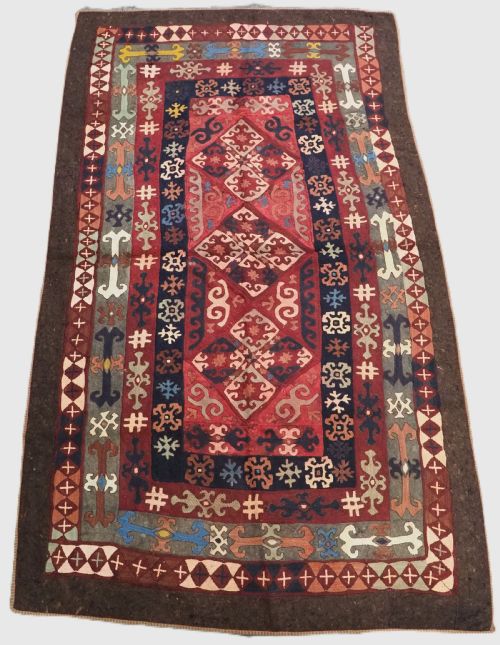
When you search for a vintage uzbek carpet, you encounter flatwoven kilims, embroidered felt rugs, and multi-strip panel covers originating from Central Asia between the late nineteenth century and the early twentieth century.
The pieces on this page span several specific forms including kilim rugs, runner rugs, wall hangings, and textile panels associated with the Lakai and Kungrad regions.
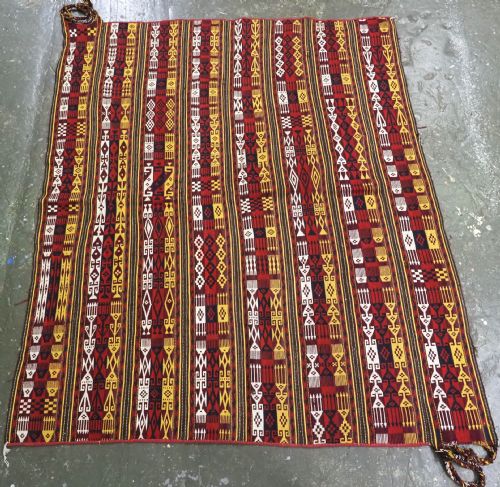
You are most likely to meet Gajeri kilims featuring banded designs and multi-strip constructions woven in soft reds, camels, and bold graphic patterns.
How They Were Made
Weavers utilised hand-spun wool, cotton, and camel hair, frequently combining multiple narrow woven strips stitched together to form larger rug panels and covers.
Specialised techniques include flatweaving, embroidery upon felt grounds, and tent band construction resulting in durable textile panels with distinct structural rhythms.
Vintage Uzbek Carpet Retail Price Guide 2026
Typical asking prices for vintage uzbek carpet among the pieces listed under this phrase on Sellingantiques today, from the lower quarter to the upper quarter. They describe what is for sale here now, not the wider market.
Some Gajeri kilims began life as functional tent bands before finding new purpose as domestic rugs.
What Varies in Quality
The distinction between ordinary and exceptional examples rests upon the precision of the multi-strip assembly and the clarity of the graphic repeat designs.
Finer pieces display sophisticated banded arrangements, harmonious faded red palettes, and intact structural integrity across the wool, cotton, and camel hair foundations.
The Vintage Uzbek Carpet Glossary
- Kilim
- A flatwoven carpet or rug produced by tightly interweaving warp and weft strands without a pile. This technique creates a lightweight textile suitable for floors and wall hangings.
- Suzani
- A type of embroidered textile originating in Central Asia. These panels display decorative needlework often incorporated into larger flatwoven structures.
- Gajeri
- A traditional Central Asian flatwoven carpet style characterised by bold banded designs. These rugs typically employ strong geometric repeats across multiple woven strips.
- Felt
- A non-woven textile produced by matting, condensing, and pressing fibres together. Central Asian makers utilised wool felt as a durable ground for intricate embroidery.
- Uut Kap
- A traditional Central Asian storage bag face produced by nomadic tribes. These decorative textile panels served both functional and domestic display purposes.
Vintage Uzbek Carpet: Frequently Asked Questions
How do I clean a vintage uzbek carpet?
Surface dust should be removed gently using low-suction vacuuming without a rotating brush head.
Professional textile conservation specialists should handle deeper cleaning to protect wool, cotton, and embroidered elements.
Can these carpets be placed on the floor?
Many examples function well as floor rugs or runner rugs in areas with moderate foot traffic. Flatwoven kilims and panels also adapt readily to vertical display as wall hangings.
What periods do these textiles represent?
The pieces available date primarily from the late nineteenth century through the early decades of the twentieth century. Specific dating spans roughly from eighteen ninety to nineteen twenty.
Construction details and traditional tribal patterns help assign pieces to these specific historical eras.
Why are some carpets woven in strips?
Nomadic weavers worked with portable vertical or horizontal looms of limited width. Producing large rugs or covers required weaving multiple narrow strips and joining them together securely.
This modular construction method remains a defining characteristic of regional Central Asian textile production.