
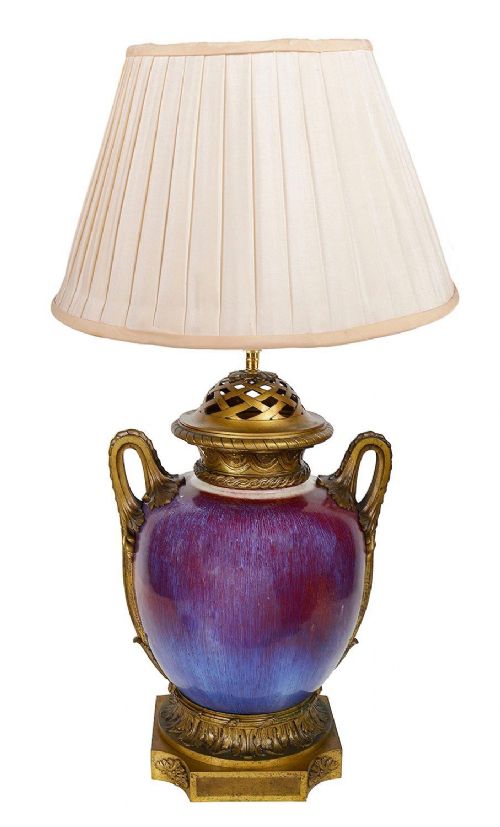


Mounted Porcelain Table Lamps
These mounted porcelain table lamps transform antique vessels, often Chinese export or French pottery, into functional lighting.
Mounted Porcelain Table Lamps
Mounted porcelain table lamps combine ceramic bodies with metal mounts, creating illuminated display pieces. When you search for mounted porcelain table lamps, you find items converted from older vases, ginger jars, and oil lamps.
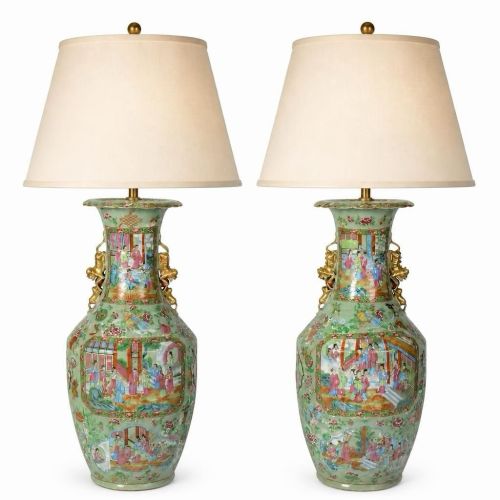
The selections span the eighteenth, nineteenth, and early twentieth centuries. Many examples pair Chinese ceramics with European metalwork.
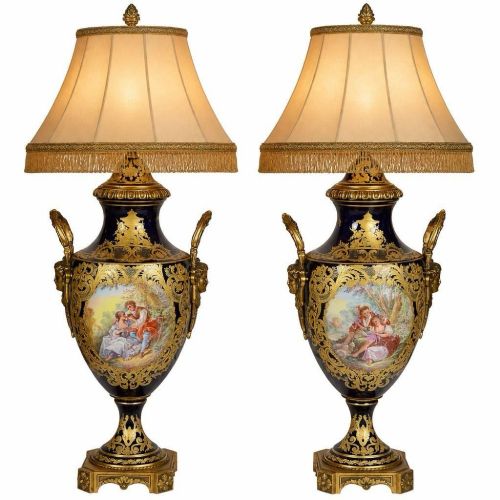
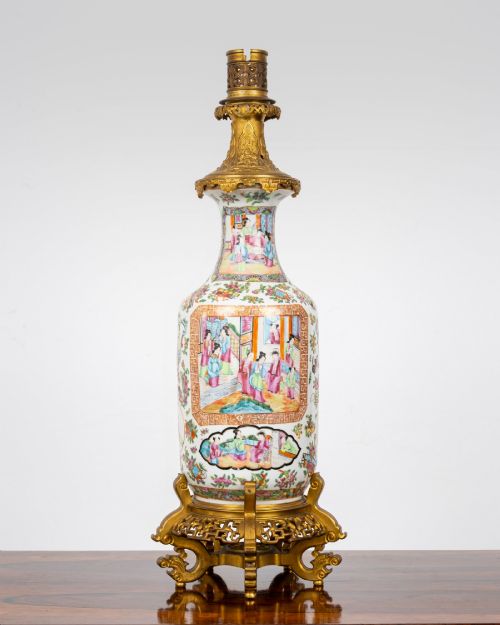
French workshops frequently adapted imported Asian porcelain into lighting fixtures. Other pieces utilise European pottery from factories like Paris or Sevres.
Materials and construction
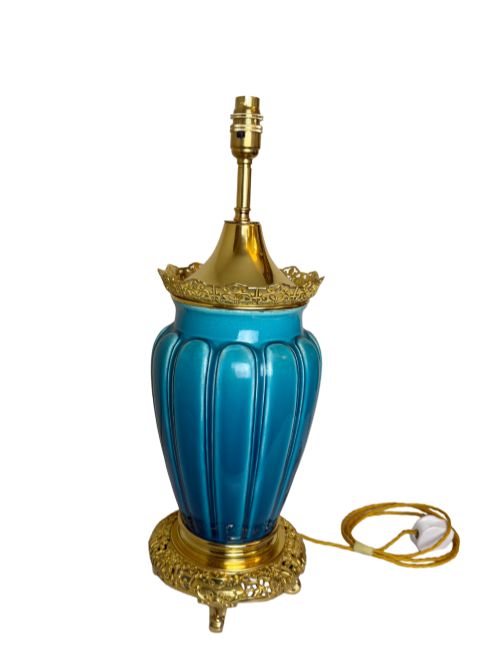
Potters shaped the ceramic bodies using traditional clay techniques before applying glazes, enamels, or hand-painted details. Metalworkers then added cast bronze, gilt bronze, or ormolu mounts to secure the bases, necks, and handles.
Craftsmen often drilled the porcelain vessels to accommodate internal wiring during conversion into table lamps. Fabric, silk, and sometimes additional wood components complete the upper structure.
Listings feature porcelain bodies combined with brass, gilt bronze, ormolu, and fabric components.
Differences in quality
Quality rests in the harmony between the ceramic vessel and the metal mountings. Finer mounts show crisp chiselling and secure fitting to the porcelain contours.
The hand-painted detail on the porcelain body also separates grades. Superior examples display precise brushwork, rich enamels, and well-preserved gilt accents.
The Mounted Porcelain Table Lamps Glossary
- Ormolu
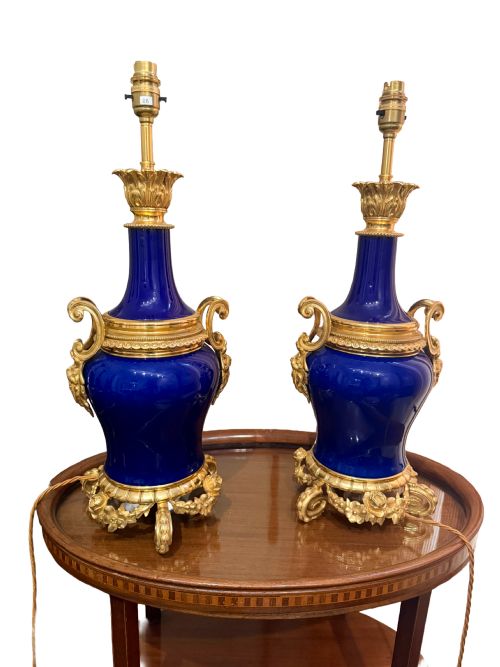
- A gold-coloured brass alloy used for decorative mounts on furniture and ceramics. It provides a bright metallic contrast to the porcelain bodies.
- Celadon
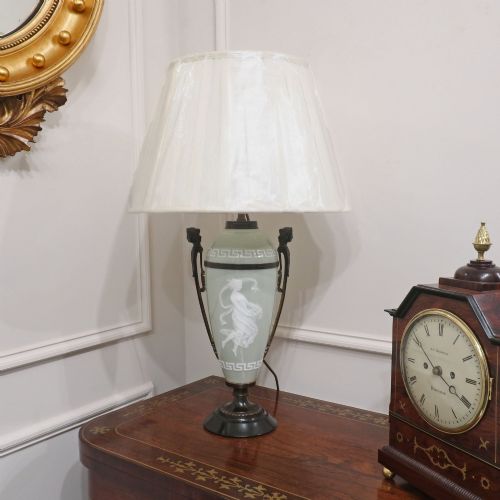
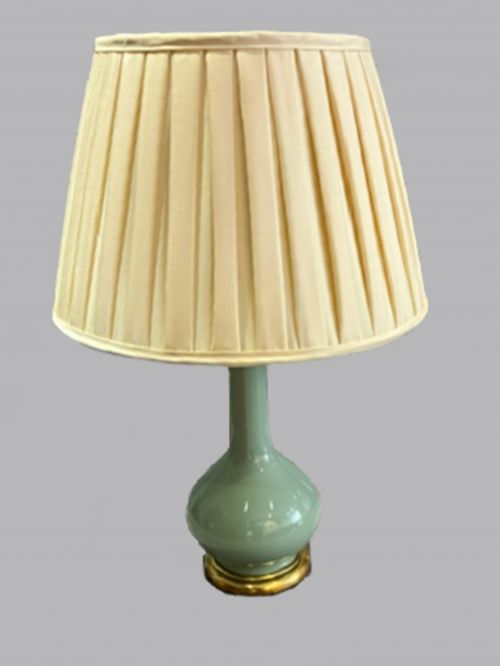
- A pale green jade-like glaze common on Asian ceramics. This glaze creates a subtle, uniform surface tone.
- Famille Verte
- A Chinese porcelain palette dominated by green enamel colours. Artisans used this scheme to render intricate floral and figurative scenes.
- Pâte-sur-pâte
- A ceramic technique where a liquid clay relief is painted onto a contrasting background body. This builds up a delicate, semi-translucent design.
Mounted Porcelain Table Lamps: Frequently Asked Questions
Are these lamps converted from old vases?
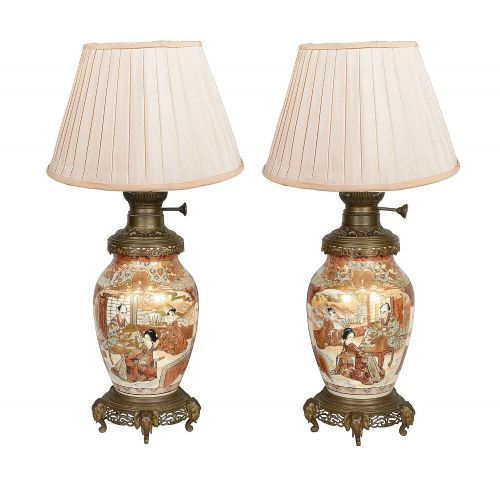
Many mounted porcelain table lamps began life as decorative vases, ginger jars, or oil lamps before receiving electrical fittings.
Craftsmen adapted these vessels by mounting them on metal bases and adding hardware for modern domestic use.
How do I identify French mounts on Chinese porcelain?
French mounts typically follow styles like Neoclassical or Rococo Revival, featuring cast bronze, ormolu, or gilt trim fitted tightly around the rim and base of the ceramic vessel.
These metal elements reflect European taste applied to imported Asian porcelain bodies.
What periods do these lamps come from?
The available lighting spans the eighteenth, nineteenth, and early twentieth centuries, with a strong concentration of nineteenth-century production.
Specific dates or periods often relate to the style of the ceramic body or the associated European mounting work.
How should I care for a mounted lamp?
Dust the porcelain and metal mounts gently with a soft cloth to avoid damaging hand-painted enamel or gilt surfaces.
Keep the lamp away from direct sunlight to preserve the colours of both the ceramic body and any fabric shades.