


Mounted Ceramic Lamp
A mounted ceramic lamp brings centuries of imported porcelain and earthenware into domestic interiors through metal fittings.
Mounted Ceramic Lamp
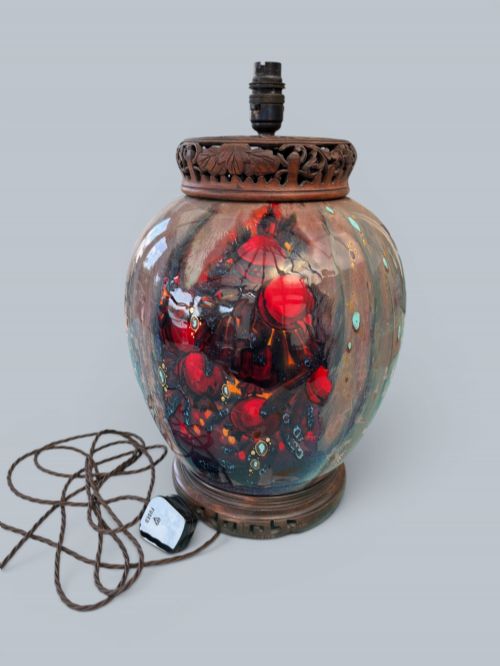
A mounted ceramic lamp bridges the gap between historic decorative vessels and modern illumination. These pieces take existing ceramic bodies, such as vases, ginger jars, and apothecary jars, and adapt them for electrical lighting. The mounted ceramic lamp relies heavily on nineteenth-century adaptations of Chinese export wares, alongside French, German, and English porcelain forms.
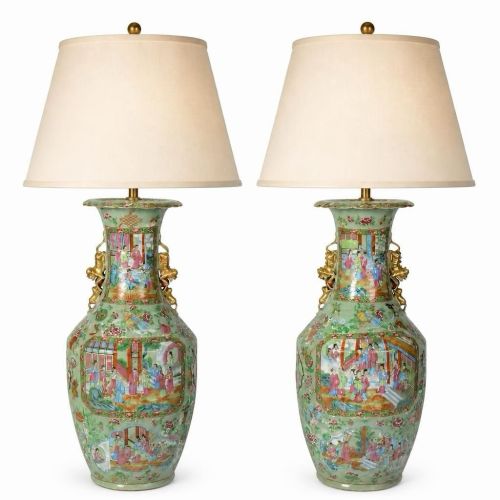
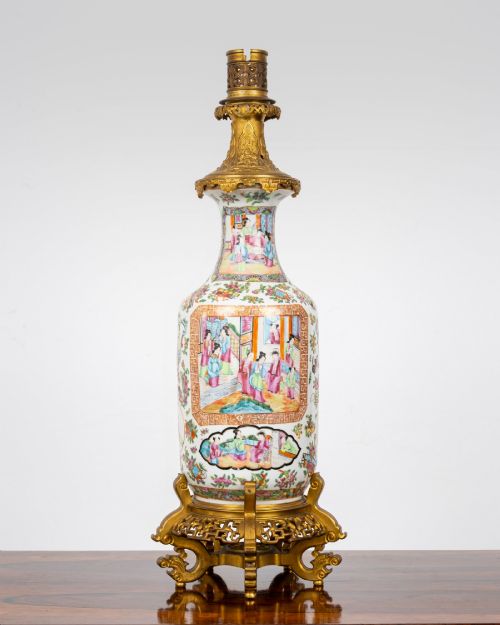
The objects themselves trace a long history of global trade and domestic repurposing. Many examples on this page pair nineteenth-century Chinese celadon, rose medallion, and blue and white porcelain with European metalwork. Others feature European factories such as Paris porcelain, Gien, and Moorcroft art pottery transformed into table lamps.
How They Were Made
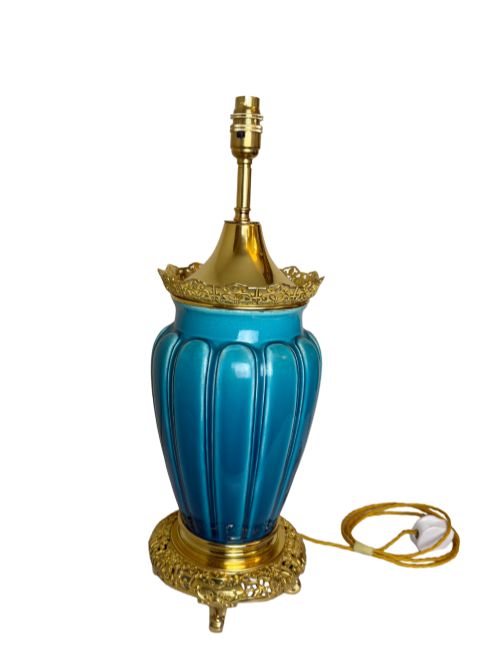
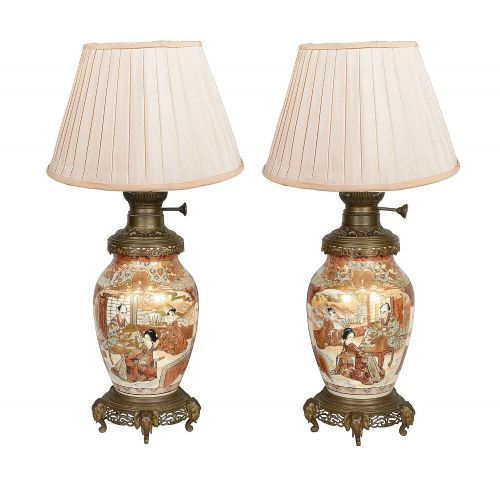
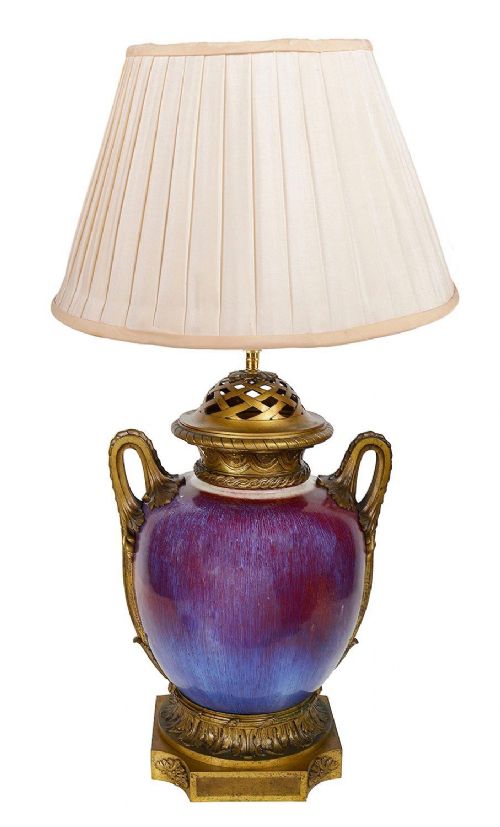
The construction of these pieces combines fired ceramic bodies with cast metal mounts in brass, bronze, gilt bronze, or ormolu. Metalwork collars, bases, and handles are fitted to secure the electrical components without permanently damaging the underlying ceramic vessel. Silk and fabric shades frequently complete the composition, supported by fitted brass hardware.
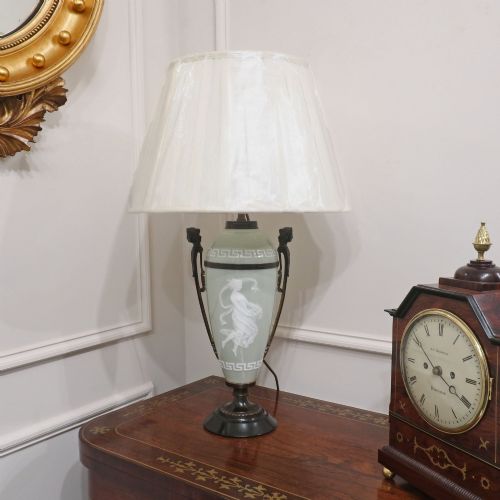
Ceramic bodies range from wheel-thrown earthenware to high-fired porcelain decorated with underglaze blue, famille verte, and pâte-sur-pâte relief techniques. Makers often utilised existing antique or revival vases, drilling the ceramic base or mounting the fittings through existing openings to convert the vessel into a functional table lamp.
German porcelain spitz dogs moonlight as illuminated companions alongside traditional Chinese ginger jars.
What Varies in Quality
Quality rests primarily on the harmony between the ceramic vessel and its metal mounts. Superior examples feature cast ormolu or gilt bronze mounts that complement the contours of the porcelain rather than overwhelming them. The precision of the initial ceramic manufacture, whether hand-painted Chinese export porcelain or French revival pottery, dictates the baseline character of the piece.
The integration of the electrical conversion also marks the standard of execution. Well-executed pieces conceal wiring and secure the lamp hardware firmly to the ceramic body, preserving the integrity of the antique base. The weight, finish, and material purity of the brass and bronze elements further distinguish finer workshop output from simpler adaptations.
Moorcroft·Gien
The Mounted Ceramic Lamp Glossary
- Ormolu
- A method of applying finely ground, high-carat gold to a bronze object. This technique was frequently utilised for the decorative mounts on nineteenth-century lamps.
- Celadon
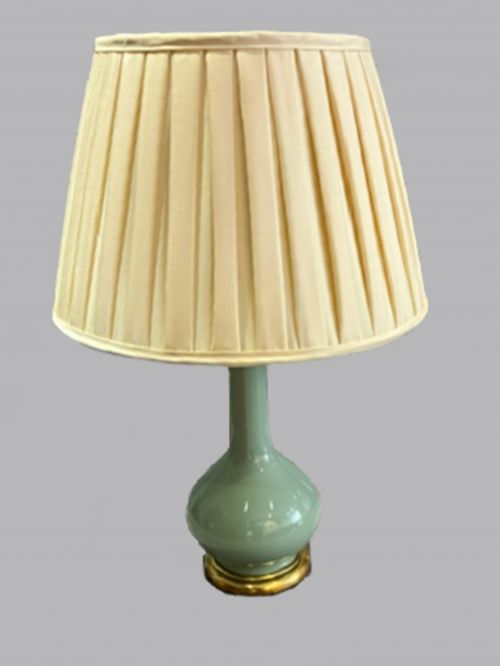
- A term for pottery denoting both wares glazed in jade green and the specific glaze itself. These glazes appear widely on nineteenth-century Chinese vases adapted into lamps.
- Famille Verte
- A porcelain palette dominated by green enamel hues, developed during the Qing dynasty. Pieces decorated in this style recur frequently among the lamp bases on this page.
- Pâte-sur-pâte
- A porcelain decoration method where liquid clay is painted in successive layers onto a dark body to create a low relief cameo effect. French makers adopted this technique during the nineteenth century.
Mounted Ceramic Lamp: Frequently Asked Questions
Are these lamps converted from old vases?
Many mounted ceramic lamps originate from historic vases, ginger jars, and apothecary vessels that have been adapted for modern lighting. Makers incorporate metal mounts and electrical components to transform decorative ceramics into functional table lamps.
This conversion process typically utilises existing openings or requires careful drilling to secure the hardware without disrupting the main decorative surface of the vessel.
How do I identify Chinese export styles?
Chinese export styles span traditional glaze families such as blue and white, famille verte, and rose medallion. These patterns reflect centuries of trade and stylistic exchange between Asian potteries and European markets.
Nineteenth-century interpretations often combine these historic ceramic bodies with French gilt bronze or ormolu mounts, creating a distinct hybrid aesthetic.
What periods do these lamps represent?
The pieces span the eighteenth, nineteenth, and early twentieth centuries, with a strong concentration of nineteenth-century production. Victorian and Meiji period examples appear alongside eighteenth-century styles reproduced in later decades.
Each period brings its own characteristic ceramic bodies, from Chinese Qing dynasty porcelain to European art pottery and revival wares.
How should I clean a mounted lamp?
Dust ceramic bodies gently with a soft, dry cloth to protect hand-painted enamels and delicate glazes. Avoid liquid cleaners on antique porcelain surfaces that may have historic finishes or repairs.
For metal mounts in brass or bronze, use a dry microfibre cloth, taking care to avoid harsh chemical polishes that can damage surrounding ceramic areas.