

Moulded French Glass
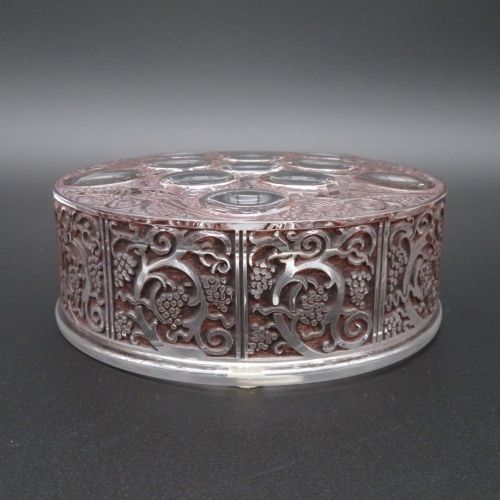
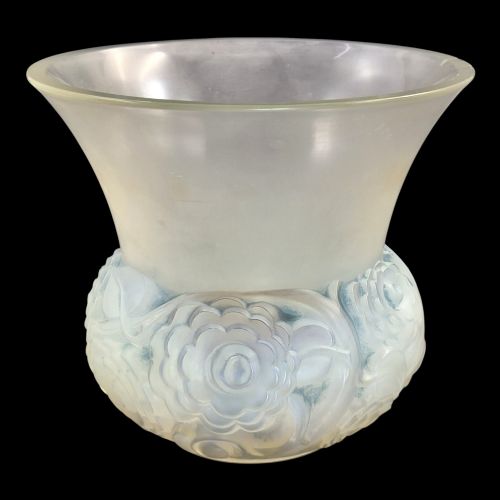
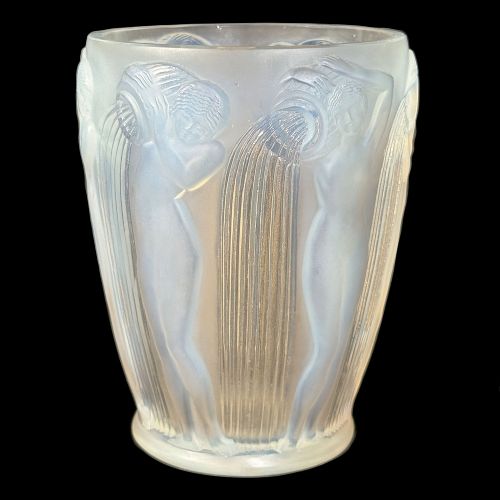
These pieces of moulded french glass combine decorative relief with tactile opalescence, holding the unmistakable design energy of the early twentieth century.
Moulded French Glass
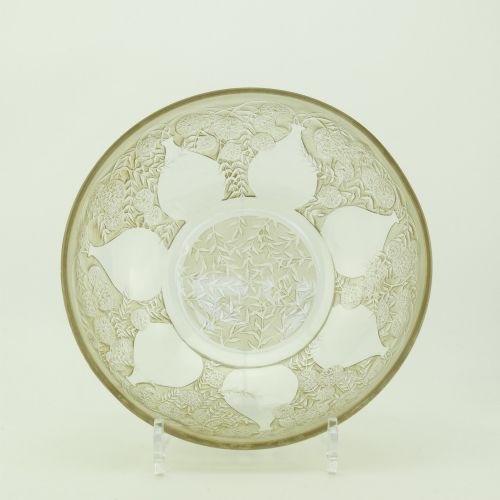
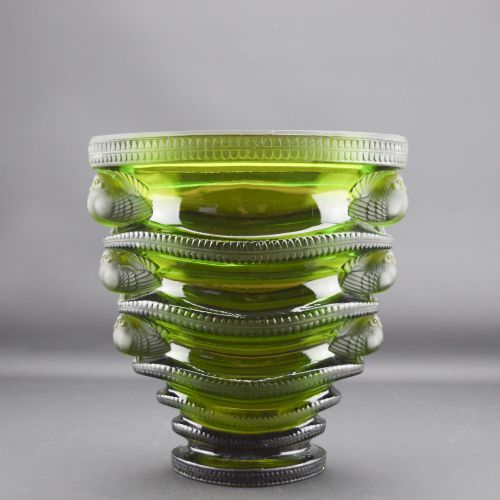
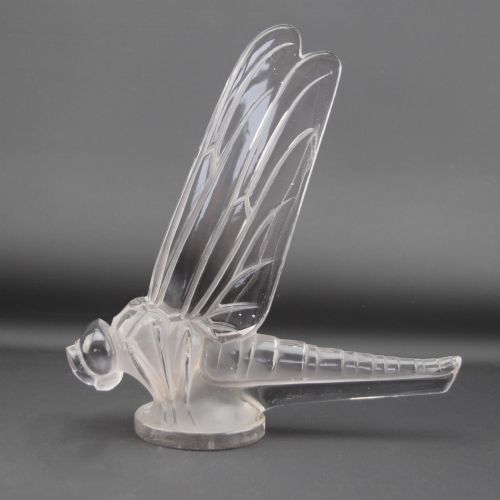
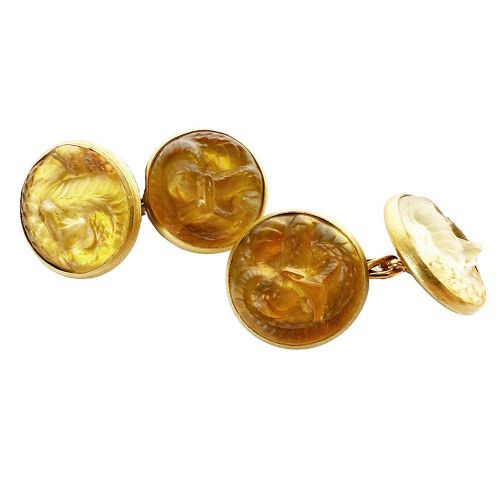
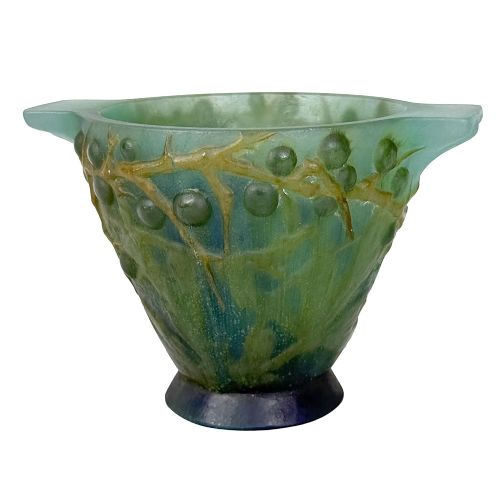
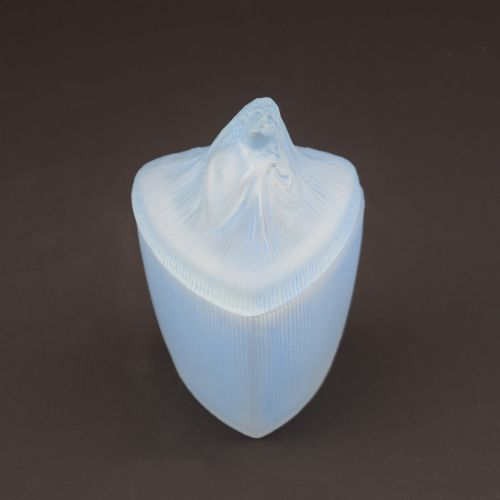
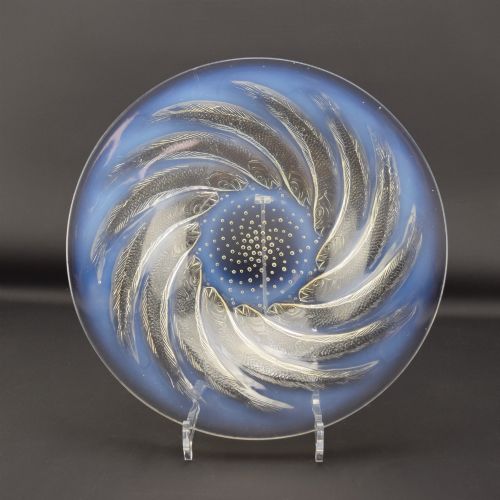
When you search for moulded french glass, you enter a domain defined primarily by twentieth-century decorative items produced during the height of the Art Nouveau and Art Deco movements. The selection on this page centres heavily on vases, bowls, car mascots, perfume bottles, and plates created by notable designers working in France.
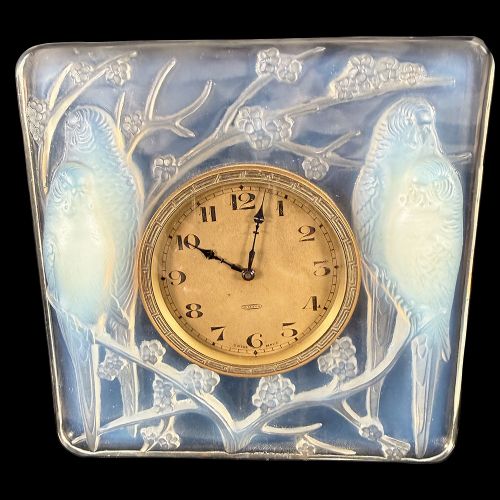
The objects take many forms, ranging from utilitarian powder boxes and ashtrays to sculptural car mascots and wall clocks. Pieces originating from the nineteen-twenties and nineteen-thirties dominate the listings, demonstrating the distinct ornamental tastes of the interwar period.
Alongside major studio output, buyers encounter occasional examples utilising earlier nineteenth-century frames and mounts, though the core of the material relies on pressed and moulded glass techniques. Collectors focus on these specific forms to secure tangible examples of French decorative glass artistry.
Production and Materials
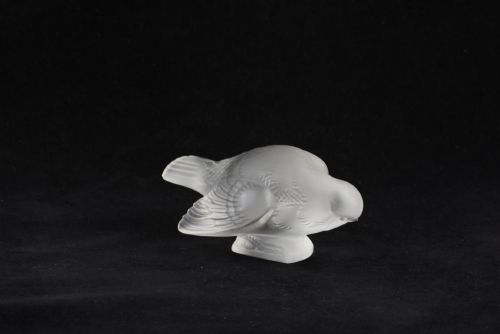
Makers utilised clear, frosted, and opalescent glass to achieve shifting plays of light across relief surfaces. The technique relies on pressing molten material into metal moulds, capturing intricate details of flora, fauna, and the human figure.
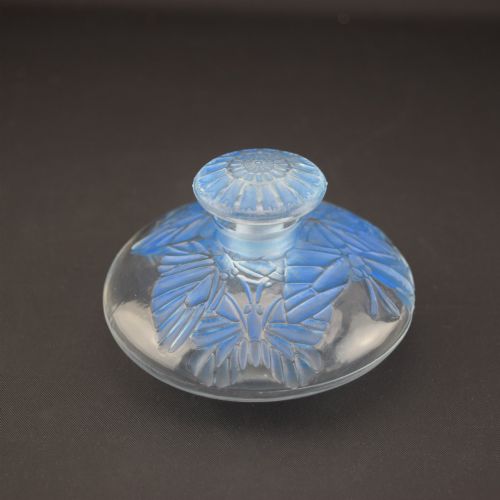
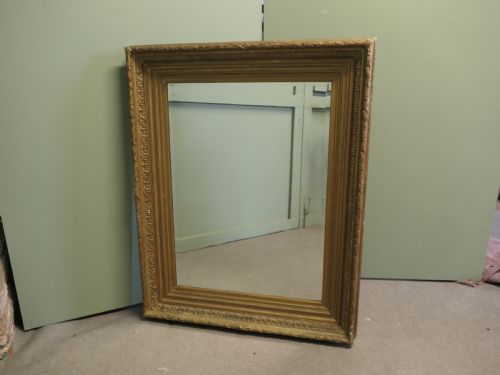
Secondary elements such as metal mounts, gesso frames, and brass fittings frequently accompany the glass components, particularly in lighting fixtures and wall mirrors. Artisans also applied blue staining or enamel highlights directly onto the moulded surfaces to emphasise the depth of the low relief design.
Drivers in the roaring twenties bolted heavy glass wasps and water nymphs to their radiator caps.
Assessing Quality
Depth of relief and the intensity of the opalescence determine the visual presence of individual items. Strong contrast between translucent and milky blue tones indicates precise control over cooling temperatures during the moulding process.
The crispness of the signature and the sharpness of the surface detail separate standard production pieces from finer examples. Subtle details such as uniform staining and clean removal from the original mould elevate the overall execution.
Rene Lalique·Henry Bergé·Amalric Walter·G Vallon·Etling·Gallé
The Moulded French Glass Glossary
- Opalescent Glass
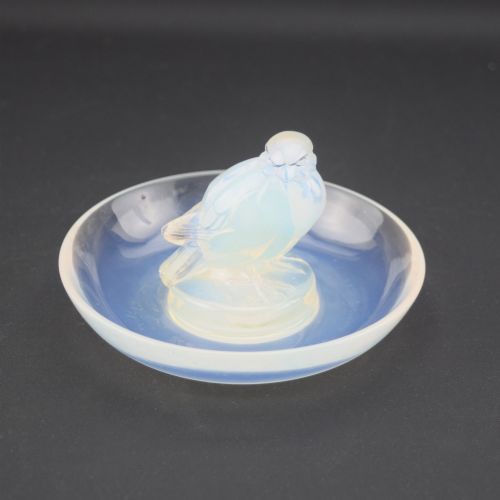
- Glass that appears milky bluish-white when viewed in reflected light, yet turns amber or warm tones when light passes through it. This optical property defines many interwar decorative objects.
- Car Mascot
- A sculptural ornament mounted on the radiator cap of an automobile, popular during the roaring twenties. Many were cast in heavy glass to illuminate via dashboard lights.
- Pate de Verre
- A kiln-casting method where crushed glass is packed into a mould with a binding agent and fused together. The resulting objects possess a granular texture and dense coloration.
- Frosted Glass
- Glass treated to achieve a textured, matte surface finish rather than a transparent look. It diffuses light and highlights carved or moulded bas-relief motifs.
- Coupe Ouverte
- A wide, open bowl shape frequently utilised for decorative centrepieces and fruit dishes. These items often feature heavily moulded exterior rims.
Moulded French Glass: Frequently Asked Questions
What is moulded french glass?
These items are decorative and utilitarian objects formed by pressing molten glass into carved metal or iron moulds. They capture the sculptural aesthetics of the early twentieth century, particularly Art Deco and Art Nouveau design.
Most examples date from the nineteen-tens through the nineteen-thirties, reflecting the peak of French studio glass production. Buyers encounter everything from small perfume bottles to large decorative chargers.
How were opalescent effects achieved?
Makers introduced specific chemical agents into the molten batch, which separated during the cooling process to create milky, translucent highlights. This reaction causes the glass to shift between cool blue tones and warm amber hues depending on the light source.
Controlling the temperature accurately determined whether the opalescence appeared dense or subtle across the raised portions of the design.
How should I display these pieces?
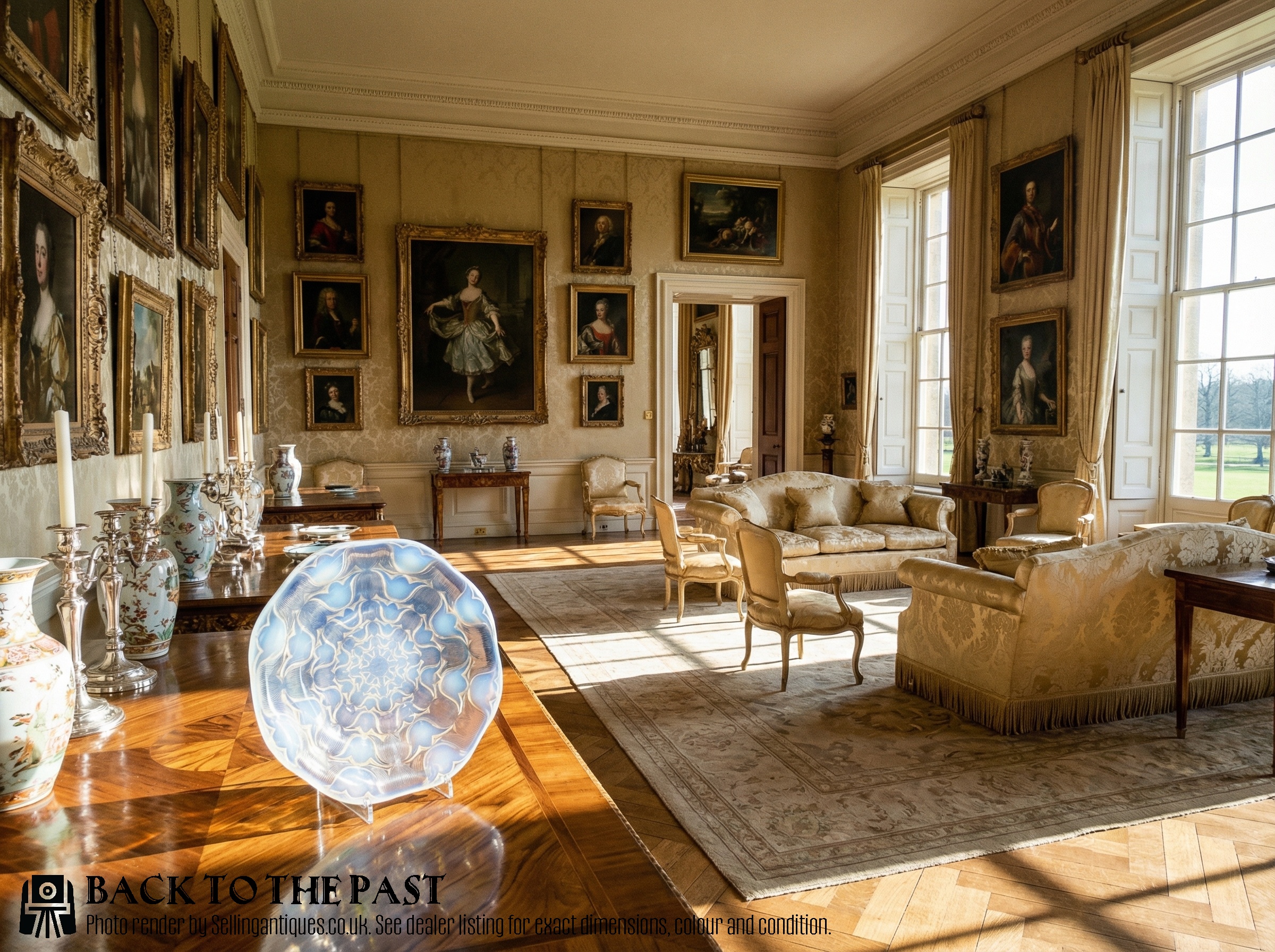
Positioning these objects near natural daylight or dedicated spot lighting allows the opalescent qualities and frosted surfaces to activate fully. Placing bowls and vases on neutral surfaces prevents visual clutter and highlights the moulded relief.
Heavier items like car mascots and chargers require sturdy shelving due to the substantial weight of the dense glass used in their construction.
Can I use antique perfume bottles?
These glass vessels served as functional containers for cosmetics and fragrances during the early twentieth century. Many retain their original stoppers, though collectors often display them purely for their sculptural form rather than daily use.
Careful handling is recommended when removing tight glass stoppers to prevent chipping the delicate moulded rims.