


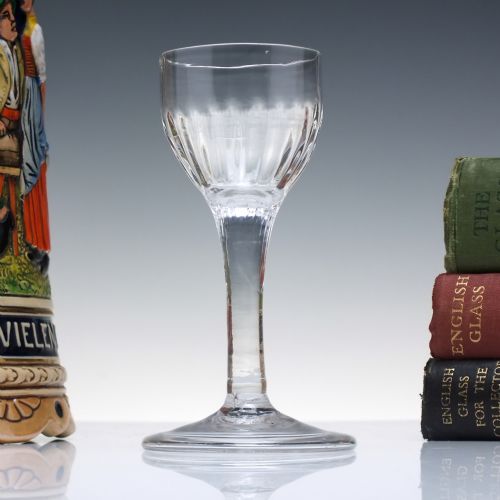


Moulded Clear Glass Bowl
A moulded clear glass bowl brings tactile relief and brilliant light capture to a table.
Moulded Clear Glass Bowl
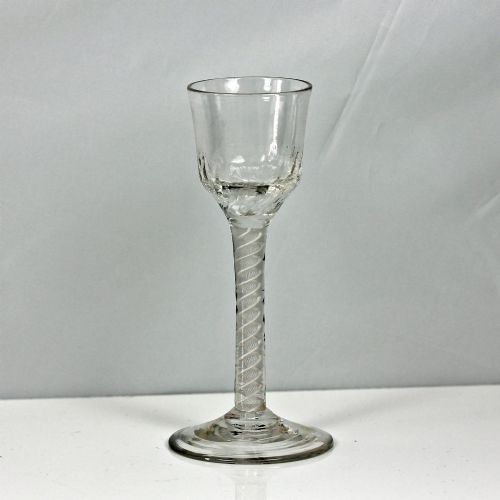
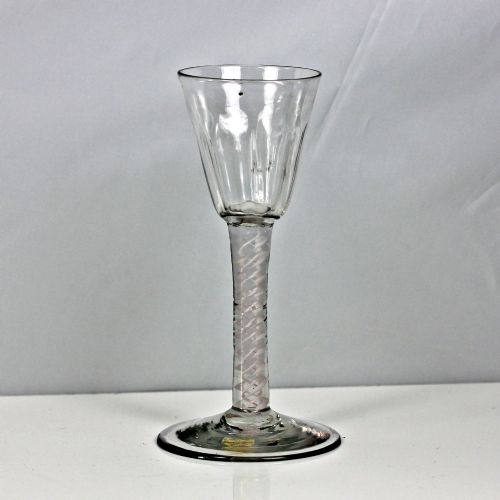
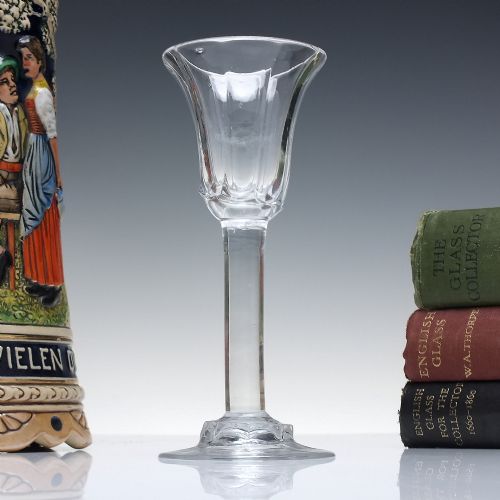
When you search for a moulded clear glass bowl, you encounter tableware and decorative objects spanning the eighteenth century to the Art Deco period. The selection includes Georgian wine and sweetmeat glasses alongside significant twentieth-century French production.
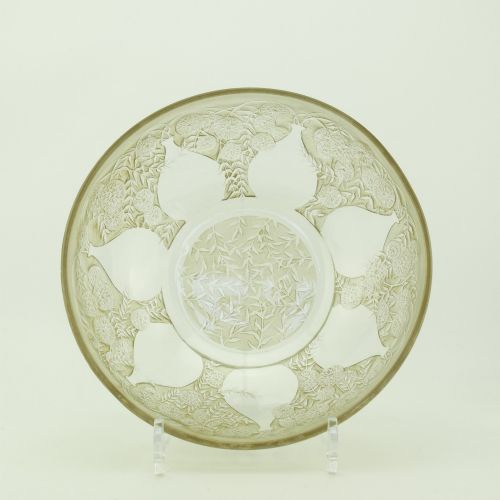
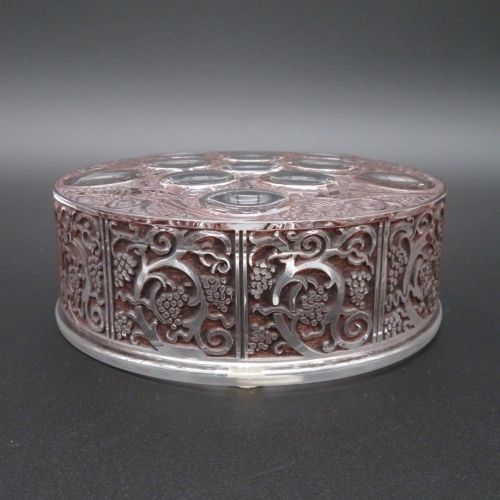
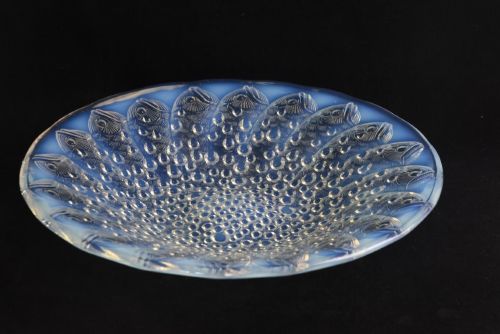
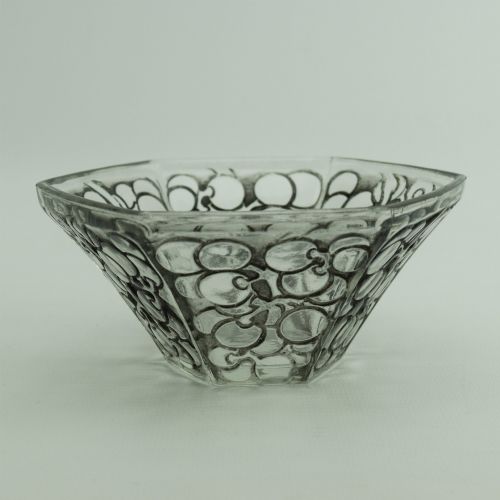
The twentieth-century examples frequently manifest as substantial bowls, coupes, and powder boxes displaying the sculptural textures characteristic of Art Deco and Art Nouveau design. Earlier pieces tend toward functional glassware with ribbed, fluted, or honeycomb moulding.
Originating predominantly from English and French workshops, these items serve both utilitarian and decorative roles in a room. Their forms range from shallow circular plates and tazzas to deep opalescent vessels.
What varies in quality
Quality rests in the crispness of the moulded detail and the optical clarity of the glass itself, particularly when comparing heavy lead crystal to simpler metal compositions. The sophistication of secondary surface treatments, such as enamelling or staining, distinguishes standard items from finer works.
Design execution determines the overall success of the piece, where sculptural depth and balance in the relief ornamentation command greater attention. The integrity of the form, whether an eighteenth-century baluster stem or an Art Deco opalescent coupe, reflects the maker's technical mastery.
Moulded Clear Glass Bowl Retail Price Guide 2026
Typical asking prices for moulded clear glass bowl among the pieces listed under this phrase on Sellingantiques today, from the lower quarter to the upper quarter. They describe what is for sale here now, not the wider market.
The listings encompass both eighteenth-century Georgian tableware and twentieth-century Art Deco opalescent pieces made from lead glass, crystal, and frosted glass.
Rene Lalique
The Moulded Clear Glass Bowl Glossary
- Coupe
- A shallow, wide-bowled vessel often used for serving or display, frequently seen in twentieth-century French glass. It provides a broad surface to showcase moulded patterns.
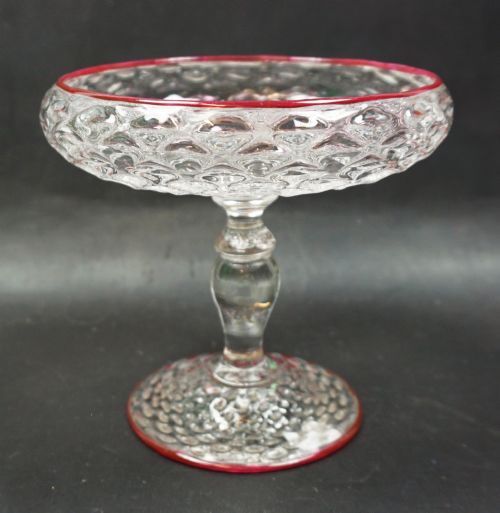
- Tazza
- A small pedestal plate or shallow bowl raised on a foot, common in nineteenth-century crystal. This form elevates the glass to catch light from multiple angles.
- Opalescent glass
- Glass containing agents that cause it to display milky, iridescent blue and amber tones when lit. This visual effect defines many Art Deco decorative bowls.
- Baluster
- A swelling, vase-shaped stem found on eighteenth-century drinking vessels and sweetmeat glasses. It gives weight and substance to the lower portion of the object.
- Ogee
- An S-shaped curved profile seen on the bowls of certain Georgian wine glasses. This contour combines concave and convex curves for a graceful silhouette.
Moulded Clear Glass Bowl: Frequently Asked Questions
How do I clean an old glass bowl safely?
Wash the glass by hand in warm, soapy water using a soft cloth, avoiding abrasive pads that can scratch the surface. Ensure you line the sink with a towel to prevent accidental impacts against the hard porcelain.
Dry the piece immediately with a lint-free cloth to maintain its clarity and prevent water spots from forming on the moulded relief details.
Where should I display an opalescent bowl?
Place the vessel near a natural light source, such as a window ledge or a well-lit cabinet, to activate the milky and iridescent qualities within the glass. Direct sunlight highlights the contrasting tones of the moulded design.
Ensure the surface is stable and protected from heavy traffic to prevent accidental knocks against the substantial weight of the crystal.
What is the difference between crystal and clear glass?
Crystal contains added lead oxide, which increases the weight, refractive index, and resonance of the material compared to standard clear glass. This composition allows for deeper, sharper cuts and moulding.
In practical terms, crystal pieces feel heavier in the hand and produce a clear ring when gently tapped, whereas ordinary glass lacks this acoustic property.