



Mother of Pearl Chair
A mother of pearl chair brings intricate nacre shimmer and rich historical character into a room.
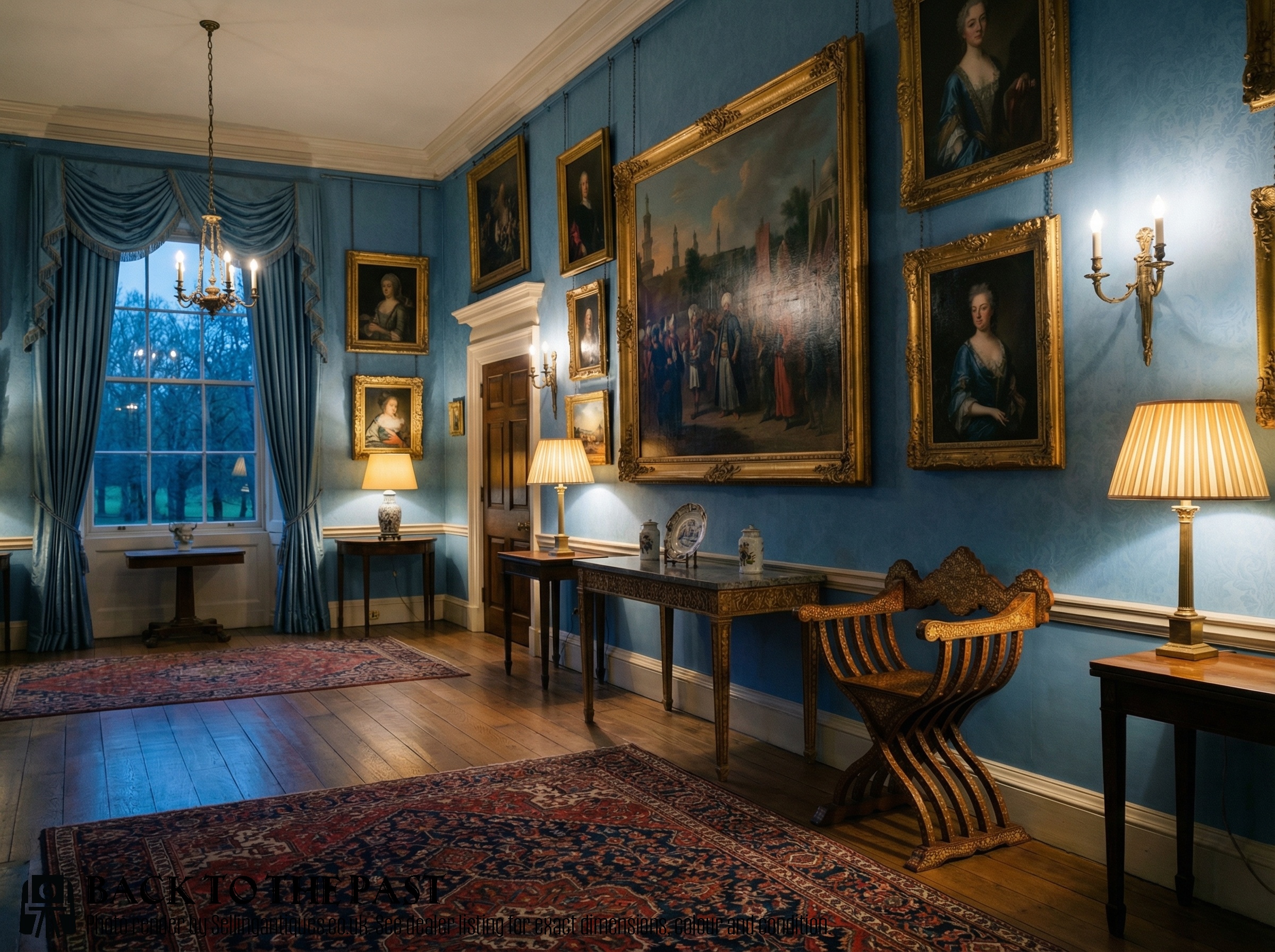
Mother of Pearl Chair
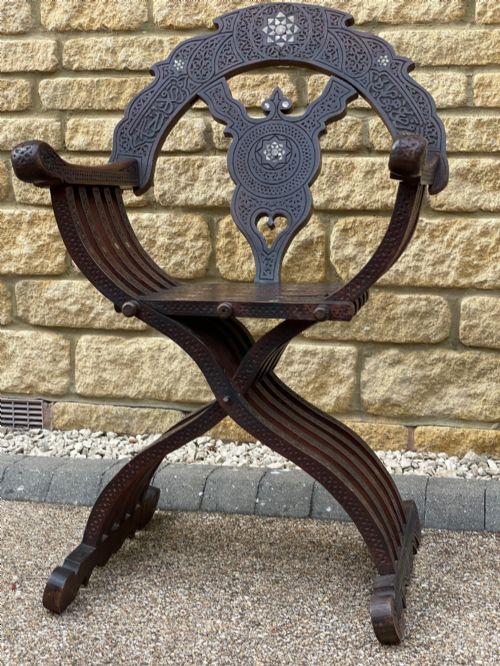
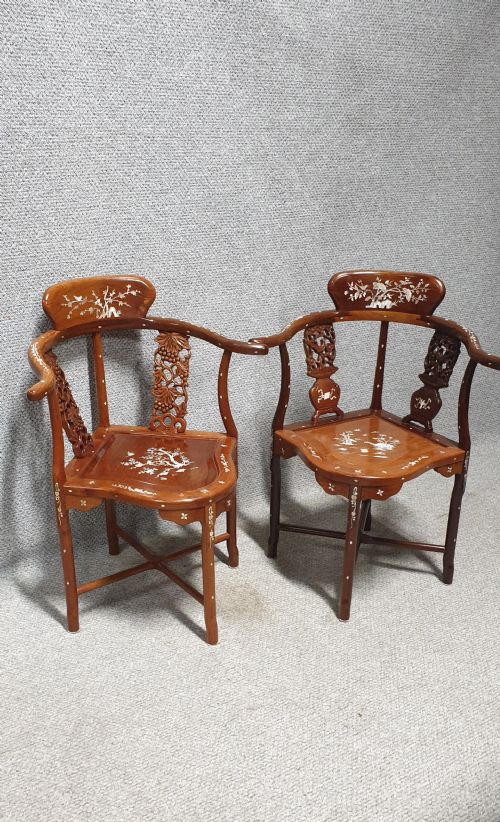
A mother of pearl chair encompasses various seating options, including armchairs, side chairs, corner chairs, and settees, designed for parlours, bedrooms, and halls. These pieces originate from distinct traditions, ranging from Victorian papier-mâché and ebonised English parlour seating to Syrian, Levantine, and Moorish inlaid works.
The most common version met on this page is the Victorian papier-mâché or ebonised chair, alongside heavily patterned Syrian and Middle Eastern armchairs. They utilise materials like walnut, hardwood, and bone to create elaborate geometric or floral surfaces.
Buyers look for these items to introduce textural contrast and reflective detail through nacre inlay, parquetry, and carved panels. They function as both decorative focal points and functional seating.
How they were made
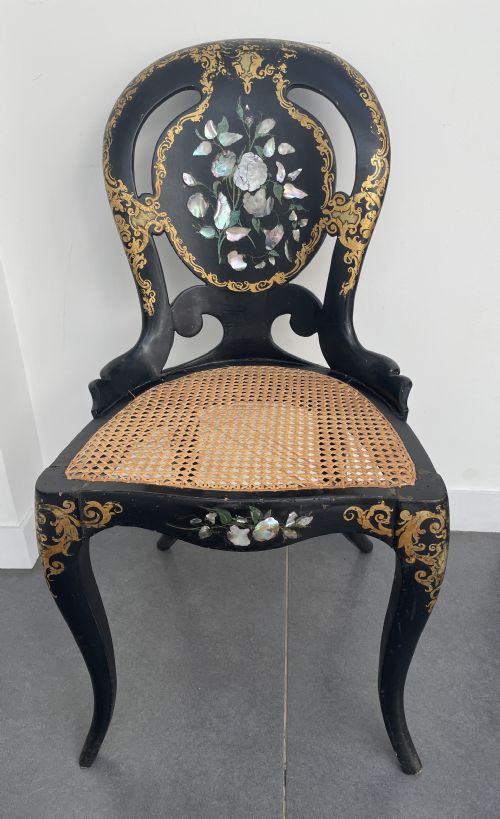
Many English examples rely on papier-mâché bases, built up from layers of paper pulp and glue, then lacquered, ebonised, and hand-painted with parcel gilt. Artisans inset thin slices of iridescent nacre shell directly into the surface layers.
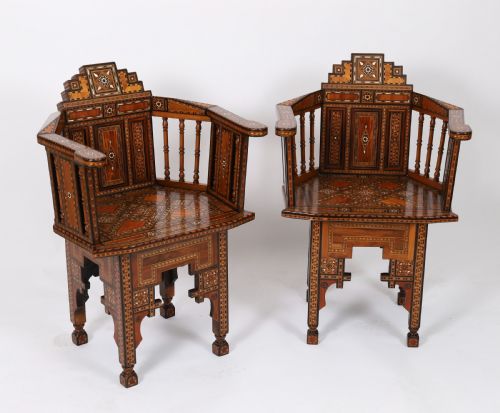
Middle Eastern and Syrian pieces employ dense hardwoods such as walnut or fruitwood, constructed with intricate parquetry and Mashrabiya panels. Craftsmen fit small geometric pieces of mother-of-pearl and bone into carved recesses to form elaborate tessellated patterns.
Mother of Pearl Chair Retail Price Guide 2026
Typical asking prices for mother of pearl chair among the pieces listed under this phrase on Sellingantiques today, from the lower quarter to the upper quarter. They describe what is for sale here now, not the wider market.
Even children required proper nacre shine, as proven by miniature Victorian papier-mâché chairs built specifically for small occupants.
What varies in quality
The density and precision of the inlay work separate standard examples from finer outputs. Superior pieces display tightly fitted nacre tessellations with minimal filler, whereas lesser items show wider gaps between shell fragments.
Structural integrity and the preservation of the original surface finish dictate overall worth. Examples retaining crisp carved details, intact canework or bergere seats, and stable joinery represent the upper tier of surviving stock.
Liberty and Co·Jennens and Bettridge
The Mother of Pearl Chair Glossary
- Papier-mâché
- A composite material made from paper pulp or layers of paper bound with glue, pressed into moulds and dried. It forms a lightweight yet rigid base for lacquering and nacre inlay.
- Mashrabiya
- An architectural element adapted into furniture panels, consisting of intricately turned wooden lattice work. It creates geometric light filters and decorative screens.
- Parquetry
- A geometric mosaic of wood pieces used for decorative surfacing on furniture. It often frames mother-of-pearl inlays in Middle Eastern and Levantine designs.
- Ebonised
- Wood or papier-mâché treated with a dark finish to imitate ebony. This dark ground contrasts sharply with iridescent mother-of-pearl inlay.
- Savonarola chair
- A folding armchair formed of multiple curved wooden slats crossing in an X-frame. Named after the Florentine reformer, this form appears in various regional styles.
Mother of Pearl Chair: Frequently Asked Questions
How do I clean a mother of pearl chair?
Dust gently with a dry microfibre cloth to protect the delicate shell inlay and lacquered surfaces. Avoid liquid cleaners, harsh chemicals, or excessive moisture that can lift the nacre or damage papier-mâché.
Keep the chair away from direct sunlight and strong heat sources to prevent the wood from drying out or the adhesive holding the mother-of-pearl from failing.
Are these chairs comfortable for daily use?
Many of these pieces serve primarily as occasional, bedroom, or side chairs intended for decorative impact rather than lounging. Their upright backs and rigid frames reflect the formal seating habits of the nineteenth century.
Armchairs and folding seats with wider proportions offer more relaxed seating, but fragile inlays and antique joinery mean they require considerate handling.
How do I distinguish Victorian from Syrian pieces?
Victorian examples typically feature ebonised papier-mâché or lacquered wood frames with painted floral motifs and scattered nacre spots. They often take the form of side or bedroom chairs.
Syrian and Moorish pieces display dense geometric parquetry, intricate bone accents, and architectural turning like Mashrabiya panels. They utilise heavy hardwoods such as walnut and fruitwood.
What is a Savonarola chair?
A Savonarola chair is an X-frame folding seat constructed from intersecting curved wooden slats. This historic form allows the chair to fold flat when not in use.
Inland variations incorporate mother-of-pearl and walnut, merging Renaissance European chair architecture with Middle Eastern decorative traditions.